

Lead-in Questions
1. Are you familiar with any old couples?
2. How do they get along with each other?
(Text II)
Dad Had Lost Any Purpose in Life
1. We had to watch him getting weaker and weaker,while mum seemed even more energetic than before. She still had a job to do, shopping, cooking and running the flat. She was necessary. Dad felt superfluous. He died six years after they moved into the flat. I think he died in self-defence.
2. He was the kindest and most generous man I have ever met. Yet I was never able to know him as well as I wished. He was reserved. I didn’t get near enough to him. He never spoke of the things close to his heart. Perhaps he couldn’t. I know that he loved all his children, but I think he loved me in particular. Yet because in our family outward signs of affection were never shown, because mum and dad never kissed us goodnight, because neither of them said how much they loved us, somehow I have never at any time been able to express my love for them. I was with dad on the night he died and I longed to be able to kneel by his bedside and say, “Dad, thank you for being so good to us. I love you, dad.” Every time I tried to I was overcome with embarrassment. I felt even at that time that he would think it wrong for me to try to clothe in words my private feelings.
3. After dad died, all of us rallied round mum. We thought that to have her children calling on her would be some sort of compensation. It was at first. I’d visit her twice a day and listen while she talked about her life with dad. Not for mum, a veil of silence over the dead. She would relate their lives and relationship together from the time she first met him. I think it was right that she did. The conspiracy of silence that so many relations adopt about the dead doesn’t help. It makes it appear as if those that are gone never lived. It was far better to talk about dad, to keep him alive in spirit. After all death is inevitable, it’s only the way there that is different.The great thing about mum was that she had no regrets. She didn’t keep on about “If only I’d done this or or done that.” All she wanted to do was relive their lives together. I remember once when Pat and I had been listening to her all afternoon, mum saying as we left, “Now that I’ve talked to you both I feel ten years younger.” And as we went down the stairs I said to Pat, “And we feel ten years older.” Yet we could both see the value it had had for her. It’s all very well for me to say that dad died inself-defence, that mum dominated and overshadowed him. Perhaps this was what he wanted, someone to make all the decisions. Up to the very end he adored mum and she him. Perhaps towards the end he wanted more quiet, but who are we to say. It’sonly since he died that mum felt the need to talk about him; while he was there, her life was complete.
4. For the next fifteen years mums eemed to grow even more energetic. When she was well over eighty she thought nothing of walking from Hove to Brighton and back. Often she’d start by waiting for a bus but if one didn’t come within a minute, she’dmake an expression of disgust and decide to walk. She was always an impatient woman. The thing that annoyed me, and I think my brothers and sisters, was that mum refused to allow us to compensate for dad. We tried so hard, visiting her, talking and listening to her, taking her flowers, chocolates and drink, butshe’d always got her grumbles about how lonely she was. I used to say how fortunate she was to have five of us children and her grandchildren going so regularly to see her. She’d just grunt. Then I’d compare her lot with that ofso many of the other old people who lived around her, many of whom hadn’t got anybody to care for them. “What have they got to do with me?” she’d reply. What can you say to a woman like that? Only agree with her that contemplating other people’s miseries doesn’t help you to bear your own. Mum resented that she was incidental in our lives; with dad she had been the only one.
Notes
1. He never spoke of the things close to his heart. (Paragraph 2): He never spoke of the things he was deeply concerned about.
2. … he would think it wrong for me to try to clothe in words my private feelings.(Paragraph 2): … he would think it wrong for me to voice my inner fond feelings for him.
3. It was at first. (Paragraph 3): Only during the period shortly after the writer’s dad died was the hildren’s calling on their mum some sort of compensation.
4. Not for mum, a veil of silence over the dead. (Paragraph 3): Mum did not avoid speaking about her life with dad.
5. I think it was right that she did. (Paragraph 3): I believe that mum’s recalling of their lives together was an appropriate way for her not to be overwhelmed by dad’s death.
6. The conspiracy of silence that so many relations adopt about the dead doesn’t help. (Paragraph 3): any relatives of the dead share an understanding that they should avoid all mention of the dead person, but it doesn’t stop mum talking about him.
7. After all deathis inevitable, it’s only the way there that is different. (Paragraph 3): It is not death, but the way we die that is different.
8. She didn’t keep on about “If only I’d done this or done that.” (Paragraph 3): She didn’t keep saying that she should have done this or done that. By the way, the direct quotation If only I’d done this or done that functions as the direct object of the preposition about.
9. Hove (Paragraph 4): borough of the unitary authority of Brighton and Hove, southeastern England, on the English Channel, adjoining Brighton. The borough, primarily a residential community, has resort facilities and some light industry.
10. Brighton(Paragraph 4): borough of the unitary authority of Brighton and Hove, southeastern England, on the English Channel. Brighton is an attractive seaside resort.
11. Mum resented that she was incidental in our lives; with dad she had been the only one. (Paragraph 4): Mum felt angry about being secondary in our lives; in dad’s life, she was the only person enjoying his attention.
Questions for Discussion
1. How does the author feel about her father?
2. What details give an impression of the author’s love for her parents?
3. What information and dominant impression does the author give us about her parents?
4. What purpose does the description of the author’s mother serve?
5. How did the author’s mother convey her affection for her husband?
6. What qualities do you think the author’s mother possessed?
Key to Questions for discussion
1. He was a kind and generous father who loved all his children, but he never said how much he loved them.
2. On the night of her father’s death, the author did want to express her love to her father,but failed, for she was not in the habit of showing outward affection. And after her dad passed away, the children decided to call on their mum regularly to relieve her grief and loneliness.
3. Her father had become physically weak and self-consciously superfluous, while her mother was even more energetic and busy running her home.
4. She is an energetic woman with a strong love of life and no regrets, and that she enjoyed her dominance over her old man.
5. In reliving their life together by talking about her relationship with her husband, her mother conveyed her affection. And she clearly did not feel sorry for her life with her husband.
6. She was energetic, impatient, willful and self-important.
Memorable Quotes
Whom is kindness for? Read the following quotes and find out the answer.
Guidance: Kindness may be defined as helpfulness towards some one in need, not for the return of anything, nor for the interest of the helper himself, but for that of the person helped. Kindness is great if shown to one who is in great need.
1. One can always be kind to people one cares nothing about.
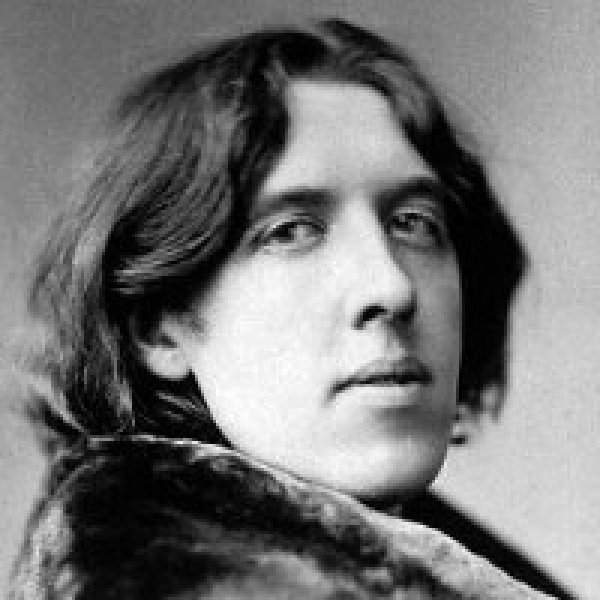
— Oscar Wilde
Paraphrase: One is always able to be kind to those whom one don’t care at all.
care about: like or love sb. or be concerned with sb.
e.g. A good teacher genuinely cares about her/his students.
2. Have you had a kindness shown?
Pass it on;
’T was not given for thee alone,
Pass it on;
Let it travel down the years,
Let it wipe another’s tears,
’Til in Heaven the deed appears –
Pass it on.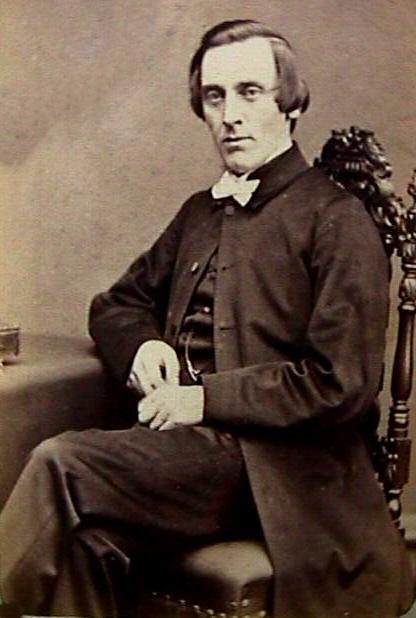
— Rev. Henry Burton
Paraphrase: Have you ever received kindness from others? If you have, pass it on to others. For the kindness is not only for you. Pass it on with the wearing of years. Let the kindness warm others’ heart. Bring it with you when you go to Heaven and never stop, but continue to pass it on.

