Course Description
"Mindset Orientated English Vocabulary" is a mandatory general education course designed for language learners. Building upon students' existing high school vocabulary, this course aims to systematically develop lexical knowledge and application skills. It explores high-frequency vocabulary across diverse thematic areas, including Family Life, Food & Restaurant, Leisure & Amusement, City & Travel, School & Education, Companies & Benefits.
The course moves beyond rote memorization by introducing students to foundational word formation strategies, such as the use of roots and affixes. This approach empowers learners to decipher, categorize, and expand their vocabulary autonomously. Furthermore, the curriculum is designed to cultivate critical thinking skills through logically structured vocabulary tasks, enhancing both linguistic and cognitive abilities.
Instructional Approach
The instructional philosophy of this course is centered on an interactive, multi-activity pedagogical model that bridges theoretical knowledge with practical application. The core principles and methods include:
Structured Thematic Units: Content is organized into coherent thematic units, providing a meaningful and contextualized framework for vocabulary acquisition.

Explicit Skills Instruction: Direct teaching of word-building techniques (roots, affixes) equips students with transferable strategies for long-term vocabulary growth.

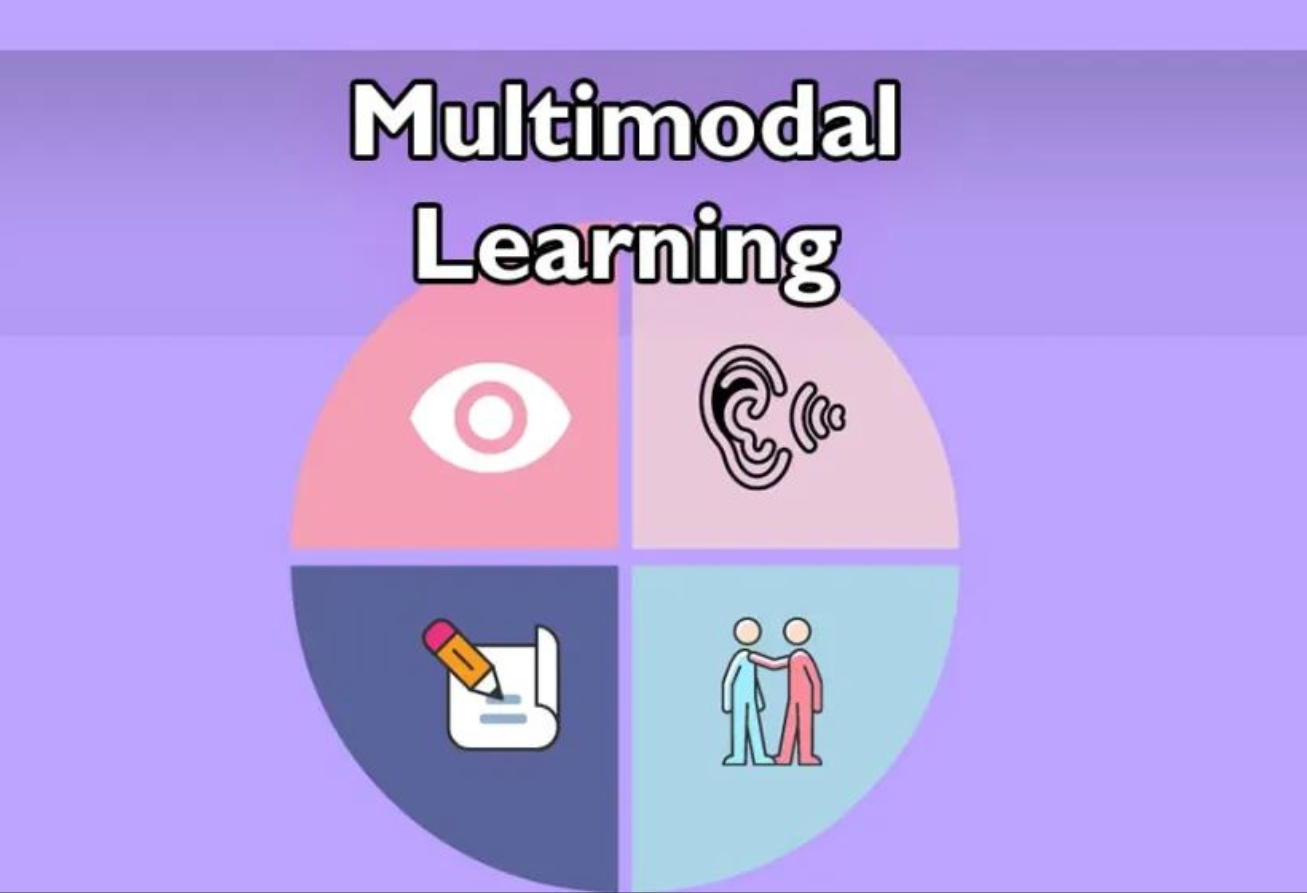
Multi-Modal Practice: A "one-lesson, multiple-practices" model is employed, utilizing a variety of exercises, classroom games, and activities to reinforce learning. This approach addresses different learning styles and helps students master nuances like synonyms, antonyms, and collocations.
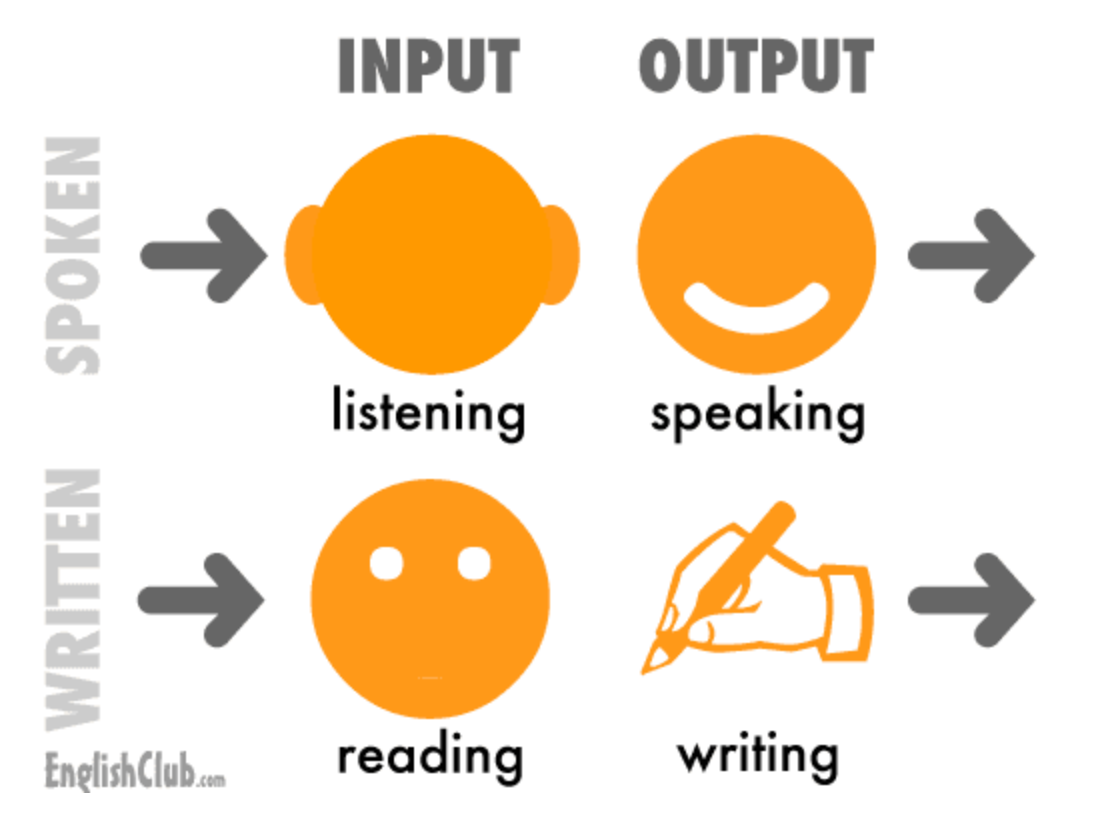
Integrated Skill Development: Vocabulary learning is consistently linked to practical language use, aiming to improve students' competence in speaking and writing on related topics, as well as their comprehension of relevant reading materials.
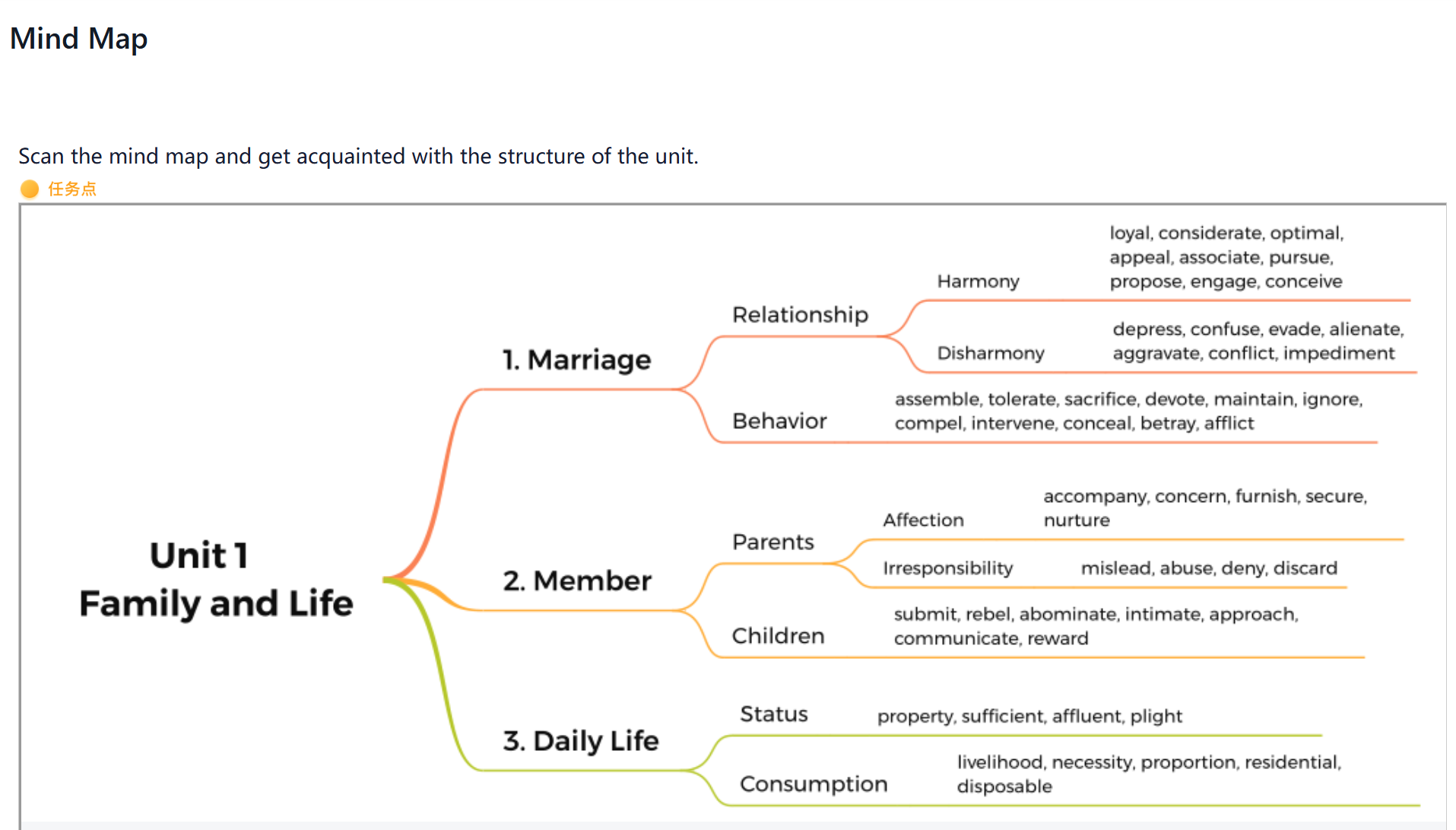
Cognitive Engagement: Tools such as mind mapping, story retelling, and word association are used to deepen memory and understanding. Logic-based vocabulary tasks are incorporated to stimulate critical thinking.
Holistic Education: The curriculum integrates value education, guiding students to establish positive values related to family, career, environment, and healthy living, and encouraging them to articulate Chinese stories and culture using the vocabulary they have acquired.