
Zhōngguó chuántǒng jiànzhú
中国传统建筑 Traditional Chinese Architecture
zài zhōngguó dà dìshàng yǒu hěnduō zàoxíng yōuměi, sècǎi xuànlì de gǔdài jiànzhú, xiǎnshìle nónghòu de mínzú fēnggé. Zhōngguó chuántǒng jiànzhú, zài shìjiè jiànzhú shǐshàng zhànyǒu zhòngyào dìwèi. Cóng zhèjiāng hémǔdù yízhǐ de gàn lán shì fángwū, xī'ān bàn pō yízhǐ de fāngxíng huò yuán xíng qiǎn xué shì fángwū, dào jīng míng qīng liǎng dài de gùgōng jiànzhú qún, zhōngguó chuántǒng jiànzhú yǐjīng yǒu 7000 nián yǐshàng de lìshǐle. Zhōngguó chuántǒng jiànzhú lèixíng fēngfù, zhǔyào kěyǐ fēn wéi mínjū, tán miào, gōngdiàn, tǎ děng jǐ zhǒng lèixíng.
在中国大地上有很多造型优美、色彩绚丽的古代建筑,显示了浓厚的民族风格。中国传统建筑,在世界建筑史上占有重要地位。从浙江河姆渡遗址的干栏式房屋、西安半坡遗址的方形或圆形浅穴式房屋,到京明清两代的故宫建筑群,中国传统建筑已经有7000年以上的历史了。中国传统建筑类型丰富,主要可以分为民居、坛庙、宫殿、塔等几种类型。
There are many beautiful and colorful ancient buildings in China, which show a strong national style. Chinese traditional architecture occupies an important position in the history of world architecture. Traditional Chinese architecture has a history of more than 7000 years, ranging from the Ganlan style houses at Hemudu site in Zhejiang Province, the square or round shallow cave style houses at Banpo site in Xi'an, to the imperial palace complex in Beijing, Ming and Qing Dynasties. There are many types of Chinese traditional architecture, including dwellings, temples, palaces, towers and so on.




Zhōngguó chuántǒng jiànzhú de tèdiǎn
中国传统建筑的特点
zhōngguó chuántǒng jiànzhú jùyǒu wǔ gè xiānmíng de tèdiǎn:
中国传统建筑具有五个鲜明的特点:
Characteristics of Chinese traditional architecture
Chinese traditional architecture has five distinct characteristics
(Yī) dútè de mù jiégòu mù jiégòujiànzhú cóng jiànzhú wàiguān shàng kàn, měi gè jiànzhú dōu yóu xià, zhōng, shàng sān bùfèn zǔchéng, xià wèi jī zuò, zhōngjiān wèi lìzhù, ménchuāng hé qiáng miàn, shàng wèi wūdǐng. Zhōngguó chuántǒng jiànzhú zhǔyào yǐ mùcái wèi jiànzhú cáiliào, mù jiégòu shì chuántǒng jiànzhú zuì zhòngyào de tèdiǎn. Mù jiégòu shì yòng mù lìzhù, mù héngliáng gòuchéng fángwū de gǔjià, wūdǐng de zhòngliàng tōngguò héngliáng jízhōng dào lìzhù shàng, qiáng zhǐ qǐ géduàn zuòyòng, tā bù chéngdān fángwū de zhòngliàng. Yóuyú lìzhù jīhū chéngdānle fángwū de quánbù zhòngliàng, yīn'ér qiáng hé ménchuāng de ānzhì jiù hěn zìyóule.“Qiáng dǎo wū bù tā” zhè jù lǎohuà, xíngxiàng de jiǎng chūle mù jiégòu de zhège yōudiǎn. Liǎojiě hé guānshǎng mù jiégòu jiànzhú, hái yào zhùyì liǎng gèdìfāng: Yīgè shì liánjiē mù gòu jiàn de sǔn mǎo, sǔn mǎo néng shǐ mù jiànzhú jiāngù nàijiǔ, zhè xiàng jìshù shì 7000 nián qián hémǔdù rén de wěidà fāmíng; lìng yīgè shì lìzhù yǔ wū héngliáng zhī jiān de dǒugǒng, dǒugǒng yǒu zhīchēng héngliáng, wǎngwài shēnzhǎn wūyán, yǐjí měiguān zhuāngshì zuòyòng. Dǒugǒng dàyuē chūxiàn zài 2000 nián qián de zhànguó shíqí, zǎoqí de dǒugǒng dà, wǎnqí de dǒugǒng xiǎo, kàn dǒugǒng de dàxiǎo shì pànduàn gǔ jiànzhú niándài de yīgè hǎo fāngfǎ.
(一)独特的木结构
木结构建筑从建筑外观上看,每个建筑都由下、中、上三部分组成,下为基座,中间为立柱、门窗和墙面,上为屋顶。

中国传统建筑主要以木材为建筑材料,木结构是传统建筑最重要的特点。木结构是用木立柱、木横梁构成房屋的骨架,屋顶的重量通过横梁集中到立柱上,墙只起隔断作用,它不承担房屋的重量。由于立柱几乎承担了房屋的全部重量,因而墙和门窗的安置就很自由了。“墙倒屋不塌”这句老话,形象地讲出了木结构的这个优点。

了解和观赏木结构建筑,还要注意两个地方:一个是连接木构件的榫卯,榫卯能使木建筑坚固耐久,这项技术是7000年前河姆渡人的伟大发明;另一个是立柱与屋横梁之间的斗拱,斗拱有支撑横梁、往外伸展屋檐,以及美观装饰作用。斗拱大约出现在2000年前的战国时期,早期的斗拱大,晚期的斗拱小,看斗拱的大小是判断古建筑年代的一个好方法。


(1) Unique wood structure
From the architectural appearance, each building is composed of three parts: the lower part is the base, the middle part is the column, doors and windows, and the wall, and the upper part is the roof.
Wood is the main building material in Chinese traditional architecture, and wood structure is the most important feature of traditional architecture. Wood structure is the skeleton of the house made of wood columns and beams. The weight of the roof is concentrated on the columns through the beams. The wall only acts as a partition, and it does not bear the weight of the house. As the columns bear almost all the weight of the house, the placement of walls and doors and windows is very free“ The old saying "the house does not collapse when the wall is down" vividly shows the advantage of wood structure.
To understand and appreciate the wood structure architecture, we should pay attention to two aspects: one is the mortise and tenon connecting the wood components, which can make the wood structure more beautiful
Wooden building is strong and durable. This technology was a great invention of Hemudu people 7000 years ago; The other is the bucket arch between the column and the crossbeam. The bucket arch has the functions of supporting the crossbeam, extending the eaves, and beautiful decoration. Dougong appeared in the Warring States period about 2000 years ago. The early Dougong was large, and the late Dougong was small. The size of Dougong is a good way to judge the age of ancient architecture.
(Èr) tíngyuàn shì de píngmiàn bùjú
(二)庭院式的平面布局
zhōngguó chuántǒng jiànzhú duō cǎiyòng tíngyuàn shì de píngmiàn bùjú. Mínjū, gōngdiàn, sìmiào děng jiànzhú, wǎngwǎng yóu jiànzhú wù hé wéiqiáng zǔchéng yīgè huò shù gè tíngyuàn, zhè zhǒng sìmiàn yǒu jiànzhú wù hé wéiqiáng de tíngyuàn jiào zuò “sìhéyuàn”. Zhèxiē sìhéyuàn hái kěyǐ àn yītiáo zhōng zhóuxiàn qiánhòu chuàn lián qǐlái, zǔchéng gèng dà de tíngyuàn qún, zhǐyǒu tōngguò qián yuàn, cáinéng dàodá hòuyuàn. Zhè zhǒng píngmiàn bùjú de fēngbì de tíngyuàn, jūzhù fāngbiàn, shūshì, ānquán, shìhé zhōngguó rén de shēnghuó xíguàn. Zài gè dì sìhéyuàn zhōng, běijīng sìhéyuàn zuì yǒumíng.
中国传统建筑多采用庭院式的平面布局。民居、宫殿、寺庙等建筑,往往由建筑物和围墙组成一个或数个庭院,这种四面有建筑物和围墙的庭院叫作“四合院”。这些四合院还可以按一条中轴线前后串连起来,组成更大的庭院群,只有通过前院,才能到达后院。这种平面布局的封闭的庭院,居住方便、舒适、安全,
适合中国人的生活习惯。在各地四合院中,北京四合院最有名。


(2) Courtyard layout
Traditional Chinese architecture mostly adopts courtyard layout. Residential buildings, palaces, temples and other buildings often consist of buildings and walls to form one or several courtyards. This kind of courtyard with buildings and walls on all sides is called "quadrangle". These quadrangles can also be connected back and forth according to a central axis to form a larger courtyard group. Only through the front yard can we reach the back yard. This kind of enclosed courtyard with plane layout is convenient, comfortable and safe to live in,
It is suitable for Chinese people's living habits. Of all the quadrangles, Beijing is the most famous.
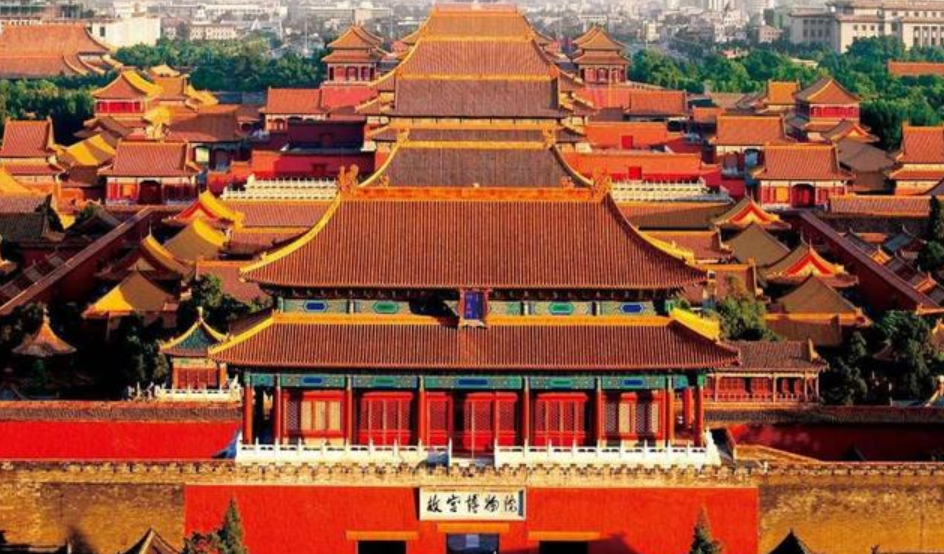
Gùgōng jiànzhú qún shíjì shang jiùshì yóu shù shí gè zǔchéng de, dà sìhéyuàn tào xiǎo sìhéyuàn, qízhōng zhòngyào de jiànzhú fàng zài zhōng zhóuxiàn shàng, rú tài hé diàn děng liù zuògāodà de gōngdiàn; cì yào dì fàng zài liǎngbiān hùxiāng duìchèn, rú ǎixiǎo de dōng liù gōng yǔ xī liù fù. Zhèyàng, jiù xíngchéngle zhǒng duìbǐ, shǐ zhōng zhóuxiàn shàng de gōngdiàn xiǎndé gèngjiā gāodà xióngwěi. Gùgōng shì tíngyuàn shì píngmiàn bùjú zuì jiéchū de fànlì. Zhè zhǒng yòng zhòngduō dī ǎi de jiànzhú xiàng dìmiàn pù kāi de tèdiǎn, shì hěn bùtóng yú xīfāng duō yǐ gāo dà de jiànzhú xiàng tiānkōng shēnzhǎn de tèdiǎn de.
故宫建筑群实际上就是由数十个组成的,大四合院套小四合院,其中重要的建筑放在中轴线上,如太和殿等六座高大的宫殿;次要的放在两边互相对称,如矮小的东六宫与西六富。这样,就形成了种对比,使中轴线上的宫殿显得更加高大雄伟。故宫是庭院式平面布局最杰出的范例。这种用众多低矮的建筑向地面铺开的特点,是很不同于西方多以高大的建筑向天空伸展的特点的。
In fact, the palace museum complex is composed of dozens of large courtyard houses and small courtyard houses. Among them, the important buildings are on the central axis, such as the Taihe palace and six other tall palaces; The secondary ones are symmetrical on both sides, such as the short East six palaces and West six rich palaces. In this way, a kind of contrast is formed, which makes the palace on the central axis more tall and majestic. The Palace Museum is the most outstanding example of courtyard layout. This feature of spreading out to the ground with many low buildings is very different from that of spreading out to the sky with many tall buildings in the West.
(Sān) xíngshì duōyàng de wūdǐng yàngshì
wūdǐng dà, wūdǐng yàngshì duō, shì zhōngguó chuántǒng jiànzhú fēicháng túchū de wàiguān tèzhēng. Gè zhǒng yàngshì de dà wūdǐng bùjǐn jǐn shì wèile měiguān, hái yǒu páichú yǔshuǐ, bǎohù mù jiànzhú de zuòyòng. Zhōngguó gǔdài jiànzhú zuì xiǎnzhù de wàiguān tèzhēng jiùshì dà wūdǐngle. Chuántǒng jiànzhú de wūdǐng yàngshì zhǔyào yǒu wǔ zhǒng: Wǔ diàn dǐng, xiē shāndǐng, yìng shāndǐng, xuán shāndǐng hé zǎn jiāndǐng. Wǔ diàn dǐng shì děngjí zuìgāo de wūdǐng yàngshì, tèbié shì shuāng yán wǔ diàn dǐng, zhǐ néng yòng yú huánggōng hé sìmiào zhōng zuì zhòngyào de dàdiàn. Chuántǒng jiànzhú wūdǐng shàngmiàn yào pù liúlíwǎ huò qīng wǎ. Liúlíwǎ děngjí gāo, qízhōnghuángsè liúlíwǎ děngjí zuìgāo, zhǐyǒu huánggōng hé sìmiào zhōng de dàdiàn cáinéng shǐyòng. Pǔtōng mínjū yībān yòng qīng wǎ.
(三)形式多样的屋顶样式
屋顶大、屋顶样式多,是中国传统建筑非常突出的外观特征。各种样式的大屋顶不仅仅是为了美观,还有排除雨水、保护木建筑的作用。中国古代建筑最显著的外观特征就是大屋顶了。传统建筑的屋顶样式主要有五种:庑殿顶、歇山顶、硬山顶、悬山顶和攒尖顶。庑殿顶是等级最高的屋顶样式,特别是双檐庑殿顶,只能用于皇宫和寺庙中最重要的大殿。传统建筑屋顶上面要铺琉璃瓦或青瓦。琉璃瓦等级高,其中黄色琉璃瓦等级最高,只有皇宫和寺庙中的大殿才能使用。普通民居一般用青瓦。

(3) Various roof styles
Large roof and many roof styles are the outstanding appearance features of traditional Chinese architecture. All kinds of large roofs are not only for the sake of beauty, but also for the purpose of draining rainwater and protecting wooden buildings. The most obvious appearance feature of ancient Chinese architecture is the big roof. There are five kinds of roof styles in traditional architecture: veranda top, Xieshan top, hard top, overhanging top and zanjianding top. Veranda roof is the highest level roof style, especially the double eaves veranda roof, which can only be used in the most important palace and temple. The roof of traditional buildings should be paved with glazed tiles or green tiles. Glazed tiles are of high grade, among which yellow glazed tiles are of the highest grade, and can only be used in palaces and temples. Ordinary dwellings usually use green tiles.
(Sì) xuànlì yǔ dànyǎ de sècǎi
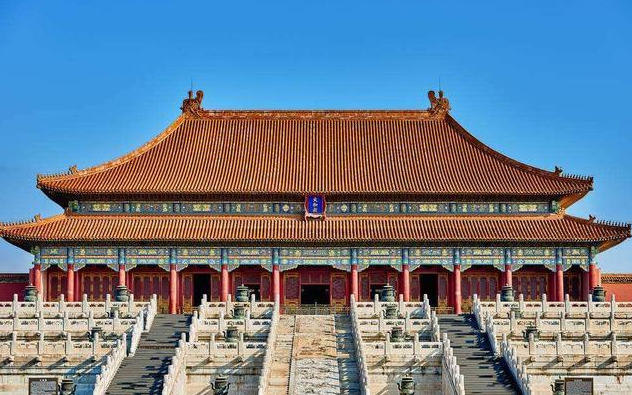
zhōngguó chuántǒng jiànzhú de sècǎi hěn fēngfù, yǒu de cǎiyòng duìbǐ qiángliè de sècǎi, shǐ jiànzhú xuànlì duōcǎi; yǒu de cǎiyòng qīngdàn tiáohé de sècǎi, shǐ jiànzhú púsù diǎnyǎ. Lìrú, gùgōng tài hé diàn cǎiyòng de shì duìbǐ qiángliè de sècǎi, huángsè de liúlíwǎ wūdǐng, hóngsè de wū shēn, báisè de tái jī lán gàn, zài lántiān de chèntuō xià xiǎndé shífēn xiānyàn xǐngmù. Yībān lái shuō, gōngdiàn, tán miào jiànzhú cháng cǎiyòng xuànlì de sècǎi, mínjū, yuánlín jiànzhú duōcǎi yòng dànyǎ de sècǎi. Yóuyú dànyǎ de sècǎi néng jǐ rénmen dài lái yī zhǒng qīngliáng de gǎnjué, suǒyǐ zài yánrè de nánfāng bǐjiào duō jiàn. Zài gǔ jiànzhú de dǒugǒng, liáng fāng, ménchuāng shàng hé wūyán xià, huì kàn dào hěnduō piàoliang de cǎisè tú'àn, zhè jiùshì cǎihuì. Cǎihuì duōyòng lán, lǜ, huáng, jīn děng yóucǎi. Cǎihuì yǒu zhuāngshì zuòyòng, gèng yǒu bǎohù mù gòujiàn de zuòyòng.
(四)绚丽与淡雅的色彩
中国传统建筑的色彩很丰富,有的采用对比强烈的色彩,使建筑绚丽多彩;有的采用清淡调和的色彩,使建筑朴素典雅。例如,故宫太和殿采用的是对比强烈的色彩,黄色的琉璃瓦屋顶、红色的屋身、白色的台基栏干,在蓝天的衬托下显得十分鲜艳醒目。一般来说,宫殿、坛庙建筑常采用绚丽的色彩,民居、园林建筑多采用淡雅的色彩。由于淡雅的色彩能给人们带来一种清凉的感觉,所以在炎热的南方比较多见。在古建筑的斗拱、梁枋、门窗上和屋檐下,会看到很多漂亮的彩色图案,这就是彩绘。彩绘多用蓝、绿、黄、金等油彩。彩绘有装饰作用,更有保护木构件的作用。
(4) Gorgeous and elegant colors
The colors of traditional Chinese architecture are very rich. Some of them use strong contrast colors to make the architecture colorful; Some use light and harmonious colors to make the building simple and elegant. For example, the Taihe Hall of the Forbidden City adopts strong colors. The yellow glazed tile roof, the red roof and the white platform column are very bright and eye-catching against the blue sky. Generally speaking, palaces and temples often use gorgeous colors, while dwellings and garden buildings often use elegant colors. Because elegant colors can bring people a cool feeling, it is more common in the hot south. In the ancient architecture of the Dougong, Liang Fang, doors and windows and eaves, you will see a lot of beautiful color patterns, this is the painting. Blue, green, yellow, gold and other colors are often used in color drawing. The color painting has the function of decoration and protection of wood components.
(Wǔ) jiànzhú měi yǔ zìránměi de jiéhé
zhōngguó chuántǒng jiànzhú de shèjì hé bùjú, hěn zhùyì yǔ zhōuwéi zìrán fēngjǐng de jiéhé, shǐ jiànzhú měi yǔ zìránměi qiǎomiào de róng wéi yītǐ. Xiàng gù hé yuán, chéngdé bìshǔ shānzhuāng děng yuánlín jiànzhú yǐjí zhùmíng de dìwáng língyuán, tán miào jiànzhú děng, dōu shì yǔ zìrán fēngguāng jiéhé de diǎnfàn. Fēngfù duō cǎi de mínjū jiànzhú mínjū shì chūxiàn zuìzǎo, shǐyòng zuìduō, yàngshì zuì fēngfù de jiànzhú xíngshì. Zhōngguó dìyù liáokuò, mínzú zhòngduō bùtóng dì dìlǐ huánjìng hé shēnghuó fāngshì, xíngchéngle xíngshì hé fēnggé dōu hěn bù xiāngtóng de zhùzhái yàngshì. Běijīng sìhéyuàn, xīběi yáodòng, ān wēi huī pài mínzhái, fújiàn kèjiā tǔlóu, dǎi jiā zhú lóu, běifāng cǎoyuán ménggǔbāo, bèi chēng wéi zhōngguó “liù dà chuántǒng mínjū”. Cǐwài, xiàng jiāngnán guānshāng dàzhái, shānxī jìn shāng dà yuàn, xīnjiāng wéiwú'ěr tíngyuàn, guìzhōu húnán miáo jiā diàojiǎolóu °děng, yě dū shì hěn yǒu tèsè de mínjū yàngshì. Duō kàn kàn mínjū jiànzhú, duì zhōngguó rén de shēnghuó hé zhōngguó wénhuà kuài yǒu gēng shēnkè de liǎojiě hé rènshí.
(五)建筑美与自然美的结合
中国传统建筑的设计和布局,很注意与周围自然风景的结合,使建筑美与自然美巧妙地融为一体。像顾和园、承德避暑山庄等园林建筑以及著名的帝王陵园、坛庙建筑等,都是与自然风光结合的典范。
丰富多彩的民居建筑
民居是出现最早、使用最多、样式最丰富的建筑形式。中国地域辽阔,民族众多。不同的地理环境和生活方式,形成了形式和风格都很不相同的住宅样式。北京四合院、西北窑洞、安微徽派民宅、福建客家土楼、傣家竹楼、北方草原蒙古包,被称为中国“六大传统民居”。此外,像江南官商大宅、山西晋商大院、新疆维吾尔庭院、贵州湖南苗家吊脚楼°等,也都是很有特色的民居样式。多看看民居建筑,对中国人的生活和中国文化会有更深刻的了解和认识。


(5) The combination of architectural beauty and natural beauty
In the design and layout of traditional Chinese architecture, great attention is paid to the combination with the surrounding natural scenery, so that the architectural beauty and the natural beauty are skillfully integrated. Garden buildings such as Gu He garden and Chengde summer resort, as well as famous imperial mausoleum and temple buildings, are examples of combining with natural scenery.
Colorful residential buildings
Residence is the earliest, most used and most abundant architectural form. China has a vast territory and many nationalities. Different geographical environment and way of life, form a very different form and style of residential style. Beijing siheyuan, northwest cave, Anwei Hui style houses, Fujian Hakka Earth Buildings, Dai bamboo buildings and northern grassland yurts are known as China's "six traditional houses". In addition, such as Jiangnan mansion, Shanxi courtyard, Xinjiang Uygur courtyard, Guizhou and Hunan Miao stilts ° And so on, are also very distinctive residential style. If you look more at residential buildings, you will have a deeper understanding of Chinese life and Chinese culture.
Jìchéng mínzú jiànzhú yōuliáng chuántǒng de xiàndài jiànzhú
jīntiān, zài zhōngguó dàdìshàng chūxiànle hěnduō jùyǒu zhòng huá mínzú chuántǒng jiànzhú tèdiǎn de xiàndài jiànzhú, zhǎnshìle chuántǒng jiànzhú xīn de fǎ zhǎn. Lìrú,2010 nián shànghǎi shìjiè bólǎnhuì de zhōngguó guǎn, yòng sì gēn jùdà de lìzhù zhīchēng qǐ zhěnggè jiànzhú, jùdà de wūdǐng zhǎnshìle jiànzhú de hóngwěi, yī céng céng de dǒugǒng xiàngshàng diéjiā xíngchéng dào jīnzìtǎ xíng, yǒuyī zhǒng zhǎnchì fēixiáng de dònggǎn, zhěnggè jiànzhú jiù xiàng yīgè jùdà de hóngsè dǒugǒng chùlì zài dà dì zhī shàng, xiǎnshì chū zhǒng zhōngguó qìpài. Zài rú,1999 nián gǎijiàn de shànghǎi lǔxùn jìniànguǎn, cǎiyòng tíngyuàn shì bùjú, zhǔtǐ jiànzhú shānqiáng gāosǒng, hēi dǐng bái qiáng, huī pài mínjū jiànzhú tèsè shífēn nónghòu. Yě yīnggāi kàn dào, mùqián yīxiē xīn jiànzhú zhuīqiú gāo, dà, yáng, qí, hěnduō chéngshì jiànzhú yàngshì léitóng, zàochéngle “qiān chéng yīmiàn” de júmiàn. Zhè zhǒng diūshī mínzú jiànzhú yōuliáng chuántǒng hé chéngshì gèxìng de xiànxiàng, yǐjīng yǐnqǐ rénmen de sīkǎo hé yōulǜ.2009 Nián zhōngguó chuántǒng mù jiégòu yíngzào jìyì liè rùleku(shìjiè fēi wùzhí wénhuà yíchǎn mínglù”.
继承民族建筑优良传统的现代建筑
今天,在中国大地上出现了很多具有中华民族传统建筑特点的现代建筑,展示了传统建筑新的发展。例如,2010年上海世界博览会的中国馆,用四根巨大的立柱支撑起整个建筑,巨大的屋顶展示了建筑的宏伟,一层层的斗拱向上叠加形成倒金字塔形,有一种展翅飞翔的动感,整个建筑就像一个巨大的红色斗拱矗立在大地之上,显示出种中国气派。再如,1999年改建的上海鲁迅纪念馆,采用庭院式布局,主体建筑山墙高耸、黑顶白墙,徽派民居建筑特色十分浓厚。也应该看到,目前一些新建筑追求高、大、洋、奇,很多城市建筑样式雷同,造成了“千城一面”的局面。这种丢失民族建筑优良传统和城市个性的现象,已经引起人们的思考和忧虑。2009年中国传统木结构营造技艺列入了く(世界非物质文化遗产名录》。


Modern architecture inheriting fine tradition of national architecture
Today, there are many modern buildings with the characteristics of traditional Chinese architecture in China, showing the new development of traditional architecture. For example, the China Pavilion of the 2010 Shanghai World Expo is supported by four huge columns. The huge roof shows the grandeur of the building. The inverted pyramid shape is formed by layers of bucket arches superimposed upward, which has a sense of flying. The whole building is like a huge red bucket arch standing on the earth, showing a kind of Chinese style. For another example, the Lu Xun Memorial Hall in Shanghai, which was rebuilt in 1999, has a courtyard layout. The main building has high Gables, black roofs and white walls. The architectural features of Hui style houses are very strong. It should also be noted that at present, some new buildings pursue high, large, foreign and exotic styles, and many cities have similar architectural styles, resulting in the situation of "one side in a thousand cities". This phenomenon of losing the fine tradition of national architecture and urban personality has caused people's thinking and worry. In 2009, Chinese traditional wood structure construction technology was listed in the world intangible cultural heritage list.

