动画原理

钟骥

目录

  • 1 课前准备 Preparing
    • 1.1 动画工具的准备 Animation Tools
  • 2 第一章 动画的基本概念 The Basic Conception of Animation
    • 2.1 1.1 何为动画?What is Animation?
      • 2.1.1 1.1.1 动画的定义 The definition of Animation
      • 2.1.2 1.1.2 动画产生的基本原理 The basic principle of animation
    • 2.2 1.2 动画制作流程简介 Brief Introduction of Animation workflow
      • 2.2.1 1.2.1 传统二维动画制作流程 Traditional 2D animation workflow
      • 2.2.2 1.2.2 三维动画制作流程 3D animation workflow
      • 2.2.3 1.2.3 数字二维动画制作流程 Digital 2D animation workflow
      • 2.2.4 1.2.4 动画制作流程案例 Animation Workflow Samples
    • 2.3 1.3 动画创作工具 Tools for Creating Animation
  • 3 第二章 动画创作术语 The terminologies of Animation
    • 3.1 2.1 帧 Frame
    • 3.2 2.2 显示分辨率 Display Resolution
    • 3.3 2.3 关键张、原画、小原画、动画 Keypose, Key animation, Breakdown, Inbetween
    • 3.4 2.4 轨目 Chart
    • 3.5 2.5 安全框 Safe Area
    • 3.6 2.6 中割练习 Practice of Inbetween
  • 4 第三章 动画原理的学习与研究方法 Study and Research Methods of Animation
    • 4.1 3.1 如何看动画 How to Watch Animation
    • 4.2 3.2 收集与研习素材资料 Collect and Analyse References
    • 4.3 3.3 原画临摹 ‘Copy’ Good Animation
  • 5 第四章 基础动画原理 Basic Animation Knowledges
    • 5.1 4.1 时间与空间 Timing and Spacing
    • 5.2 4.2 一拍1,一拍2,一拍3 On Ones, On Twos, On Threes
    • 5.3 4.3 力的体现 The Force
  • 6 第五章 运动规律基础 Basic principles of animation
    • 6.1 5.1 夸张 Exaggeration
    • 6.2 5.2 挤压与拉伸 Stretch and Squash
    • 6.3 5.3 曲线运动 Arc
    • 6.4 5.4 预备与缓冲 Anticipation and Participation
    • 6.5 5.5 跟随运动 Follow through and Overlap
    • 6.6 5.6 速度的表现方法 Speed
    • 6.7 5.7 姿势线
  • 7 第六章 两足角色的常规运动
    • 7.1 6.1 走路 Walk
    • 7.2 6.2 跑步 Run
    • 7.3 6.3 个性的走路 Walking emotionally
    • 7.4 6.4 不同角度的走、跑 Running and Walking in Different Angles
  • 8 第七章 自然元素
    • 8.1 7.1 水 Water
    • 8.2 7.2 火 Fire
    • 8.3 7.3 烟 Smoke
5.2 挤压与拉伸 Stretch and Squash

5.2 挤压与拉伸 Stretch and Squash


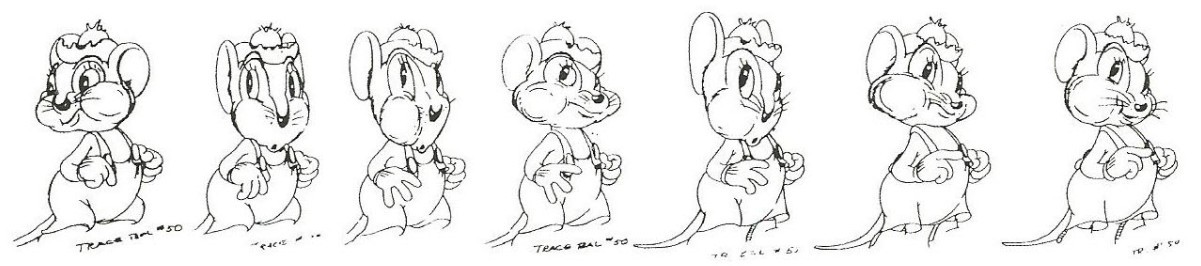
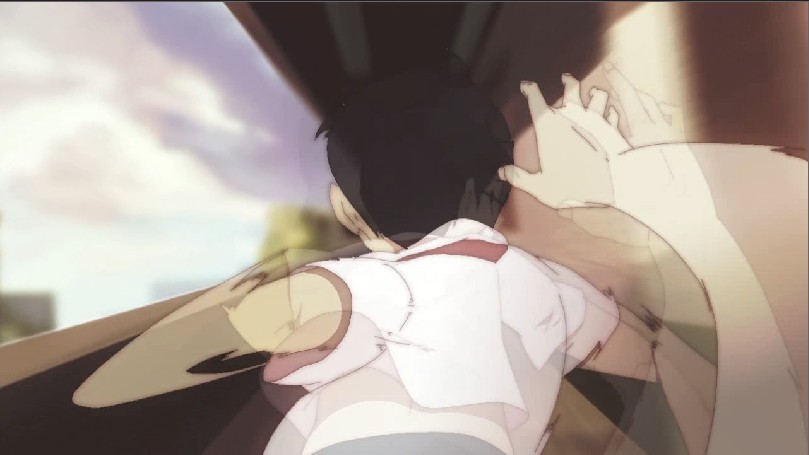
Q:下列图中的动作有何共性?

       What commonalities the following actions have?
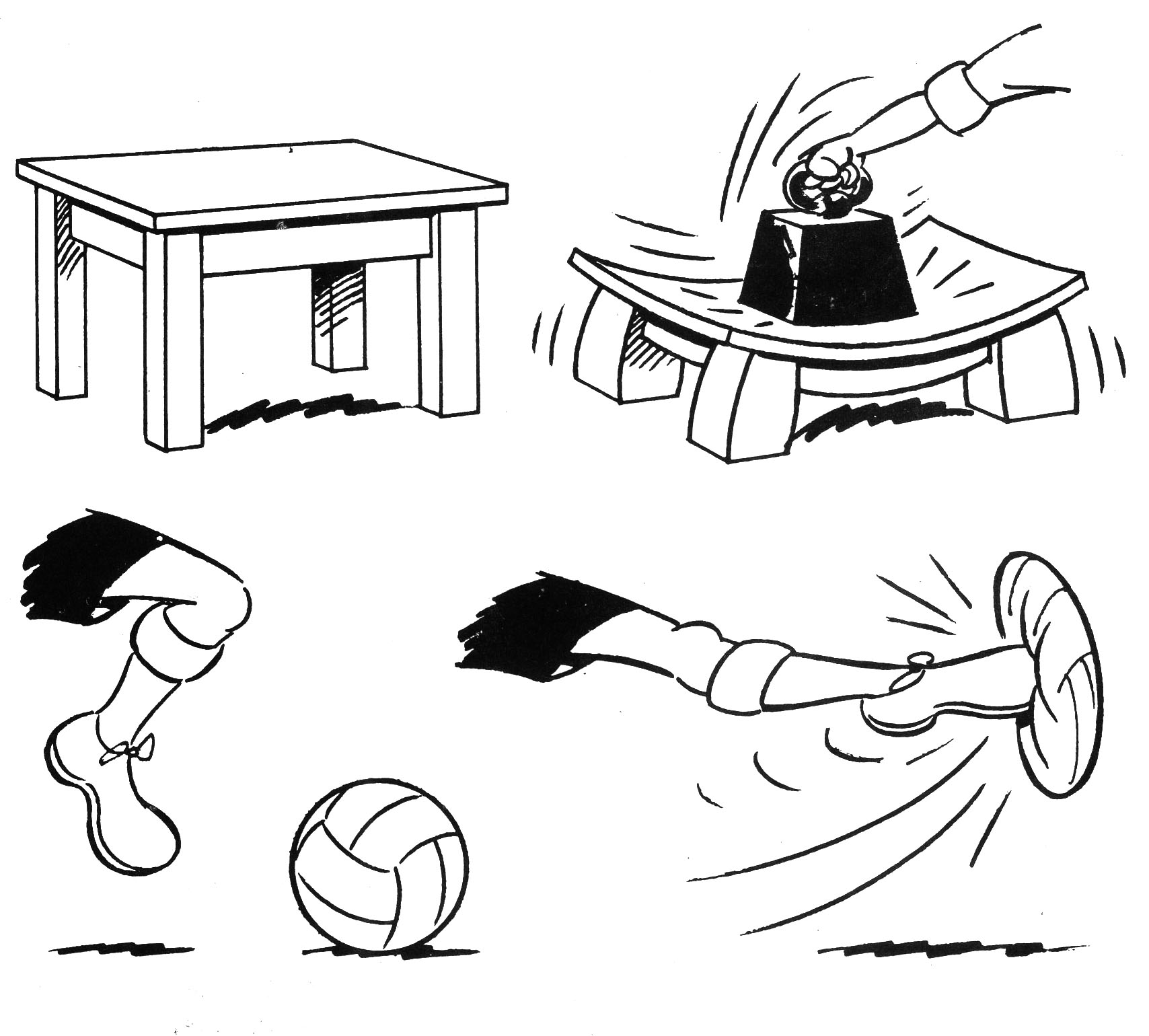


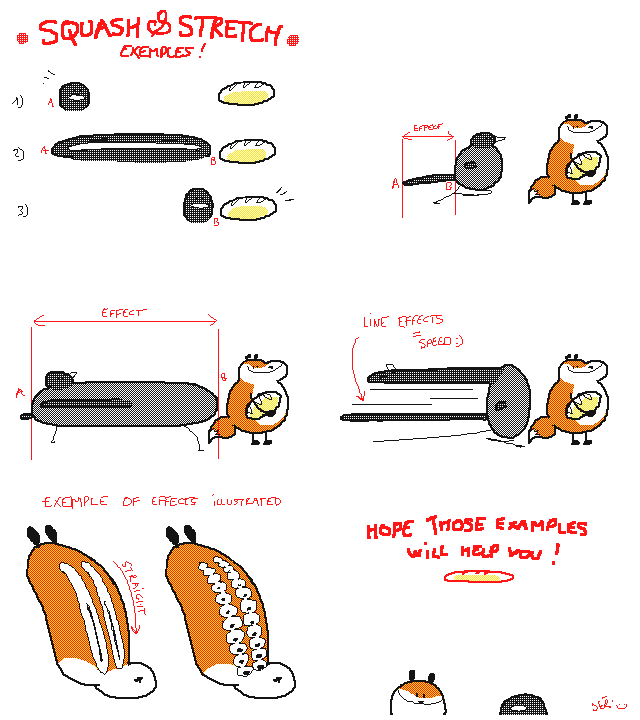
在动画的世界里,任何一个物体都可以有形变,挤压与拉伸是最基本的夸张手法。

In the world of animation, any object can be deformed.

挤压与拉伸的目的,是给所画物体添加重量感和灵活感。

The purpose of squash and stretch is to give a sense of weight and flexibility to drawn objects.
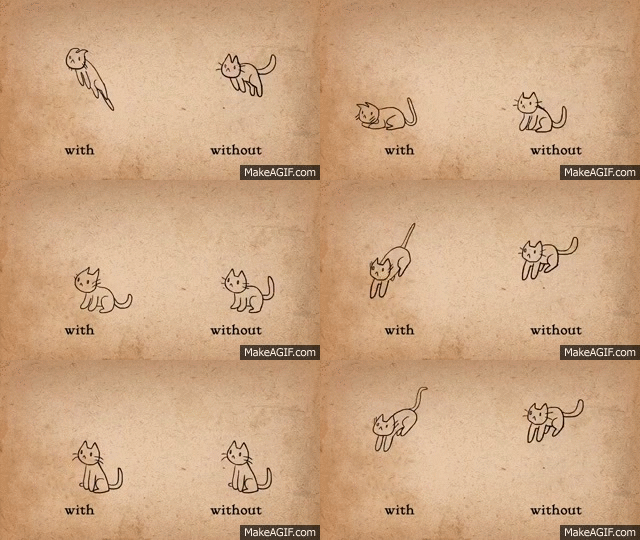

它可以应用于简单的物体,比如一个弹跳的球,也可以应用于更复杂的结构,比如人脸的肌肉组织。如果把一个人挤压或拉伸到夸张的程度,会产生一种滑稽效果。

It can be applied to simple objects, like a bouncing ball, or more complex constructions, like the musculature of a human face. Taken to an extreme, a figure stretched or squashed to an exaggerated degree can have a comical effect.

单纯的移动过程会使图形显得相当死板和生硬。在现实生活中,这种状态只会发生在例如椅子、碟子和盘子这些较硬的无生命的物体上。



如果一个物体掉在地上,它与地面碰撞时的形状是被压扁的;如果它被向上弹起,那么,它的形状又会得到伸展。

If an object falls to the ground, its shape is squashed when it collides with the ground. If it bounces up, then its shape will stretch out again.

但无论是被挤压还是伸展,它体积是不会改变

The most important aspect of this principle is that an object's volume does not change when squashed or stretched.
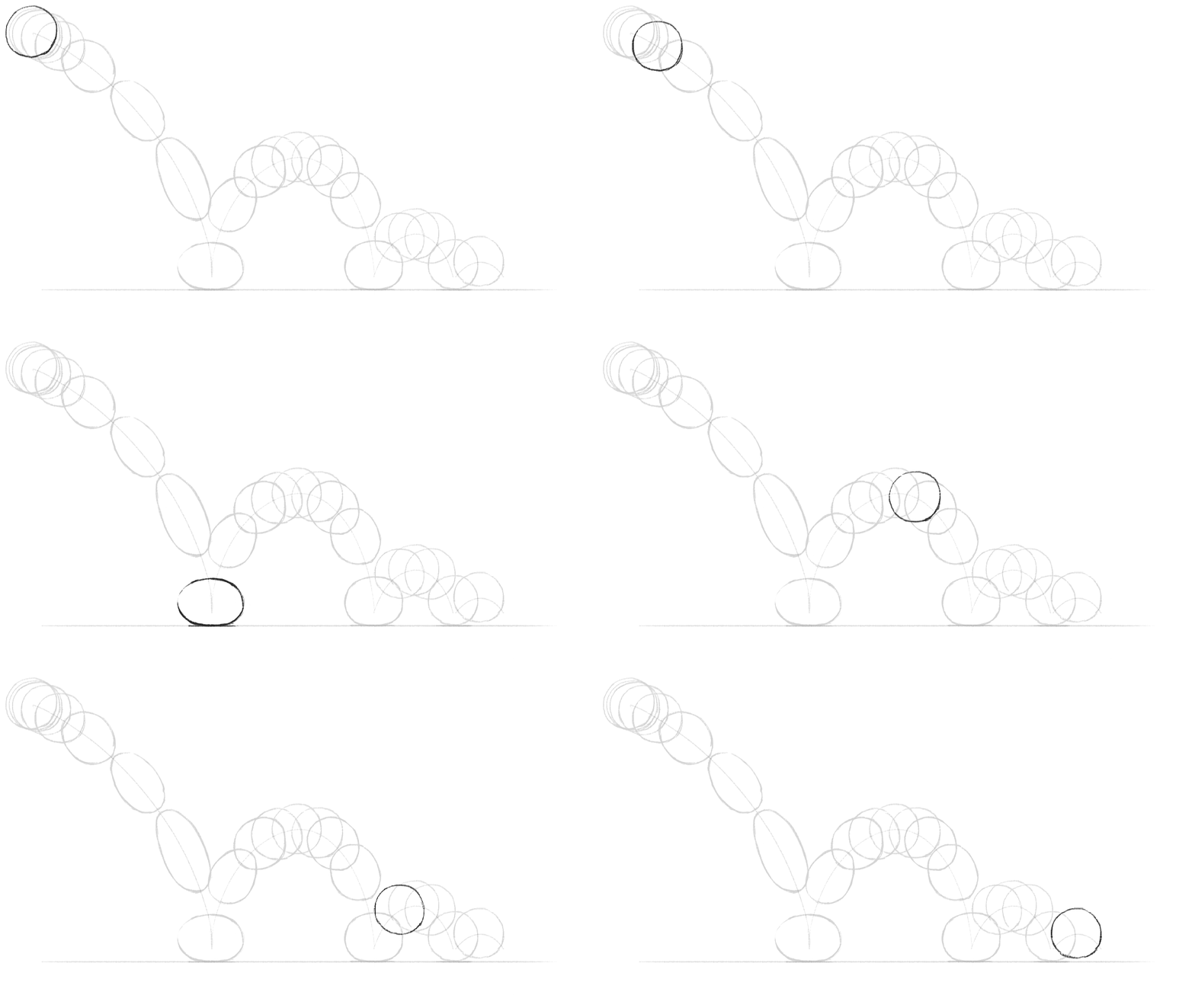
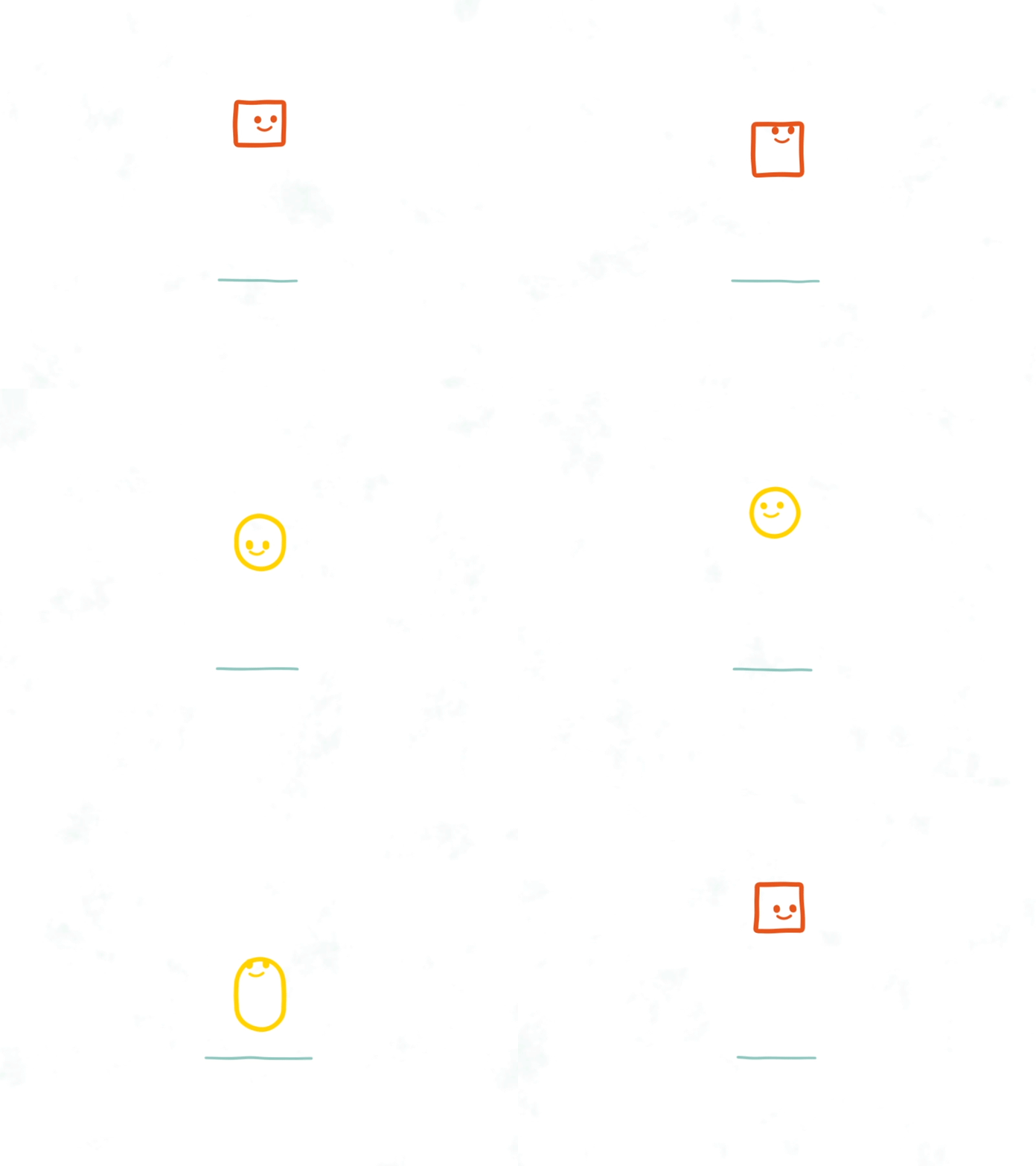


在角色快速、大幅度运动时,一定要有夸张的肢体拉伸变形。

If the character is moving fast, there must be exaggerated limb stretching.

但是慢、小幅度运动,可以小幅度拉伸变形或者不变形。

But not be slow and small range of motion.

肢体的极度夸张变形,多在艺术短片里运用,用来表达特殊的含义。

The extreme exaggeration and deformation of limbs are mostly used in short art animated films to express special meanings.


作业:小球原地循环跳 Bouncing ball (loop)

要求Requirement

1. 循环跳 Jumping loop

2. 表现出小球的重量Show its weight

3. 小球可以有自己的个性Show it personality

4. 用到挤压、拉伸、变形等夸张手法Squash and stretch

5. 尝试不同的滞空时长触地时长,所表现的不同运动。

    Try different timing of staying in the air and contact on the ground.

6. 尝试有触地瞬间的那张,和无接触地瞬间的那张,所表现的不同运动。

    Try to add one frame just contact on the ground or not.