动画原理

钟骥

目录

  • 1 课前准备 Preparing
    • 1.1 动画工具的准备 Animation Tools
  • 2 第一章 动画的基本概念 The Basic Conception of Animation
    • 2.1 1.1 何为动画?What is Animation?
      • 2.1.1 1.1.1 动画的定义 The definition of Animation
      • 2.1.2 1.1.2 动画产生的基本原理 The basic principle of animation
    • 2.2 1.2 动画制作流程简介 Brief Introduction of Animation workflow
      • 2.2.1 1.2.1 传统二维动画制作流程 Traditional 2D animation workflow
      • 2.2.2 1.2.2 三维动画制作流程 3D animation workflow
      • 2.2.3 1.2.3 数字二维动画制作流程 Digital 2D animation workflow
      • 2.2.4 1.2.4 动画制作流程案例 Animation Workflow Samples
    • 2.3 1.3 动画创作工具 Tools for Creating Animation
  • 3 第二章 动画创作术语 The terminologies of Animation
    • 3.1 2.1 帧 Frame
    • 3.2 2.2 显示分辨率 Display Resolution
    • 3.3 2.3 关键张、原画、小原画、动画 Keypose, Key animation, Breakdown, Inbetween
    • 3.4 2.4 轨目 Chart
    • 3.5 2.5 安全框 Safe Area
    • 3.6 2.6 中割练习 Practice of Inbetween
  • 4 第三章 动画原理的学习与研究方法 Study and Research Methods of Animation
    • 4.1 3.1 如何看动画 How to Watch Animation
    • 4.2 3.2 收集与研习素材资料 Collect and Analyse References
    • 4.3 3.3 原画临摹 ‘Copy’ Good Animation
  • 5 第四章 基础动画原理 Basic Animation Knowledges
    • 5.1 4.1 时间与空间 Timing and Spacing
    • 5.2 4.2 一拍1,一拍2,一拍3 On Ones, On Twos, On Threes
    • 5.3 4.3 力的体现 The Force
  • 6 第五章 运动规律基础 Basic principles of animation
    • 6.1 5.1 夸张 Exaggeration
    • 6.2 5.2 挤压与拉伸 Stretch and Squash
    • 6.3 5.3 曲线运动 Arc
    • 6.4 5.4 预备与缓冲 Anticipation and Participation
    • 6.5 5.5 跟随运动 Follow through and Overlap
    • 6.6 5.6 速度的表现方法 Speed
    • 6.7 5.7 姿势线
  • 7 第六章 两足角色的常规运动
    • 7.1 6.1 走路 Walk
    • 7.2 6.2 跑步 Run
    • 7.3 6.3 个性的走路 Walking emotionally
    • 7.4 6.4 不同角度的走、跑 Running and Walking in Different Angles
  • 8 第七章 自然元素
    • 8.1 7.1 水 Water
    • 8.2 7.2 火 Fire
    • 8.3 7.3 烟 Smoke
4.1 时间与空间 Timing and Spacing

4.1 时间与空间Timing and Spacing


Grim Natwick: 动画的一切皆在于时间点(timing)和空间幅度(spacing)
Grim Natwick: Animation is all in the Timing and Spacing.


Q: 什么是时间?什么是空间?

What does 'Timing' mean? What does 'Spacing' mean? 


时间点 Timing

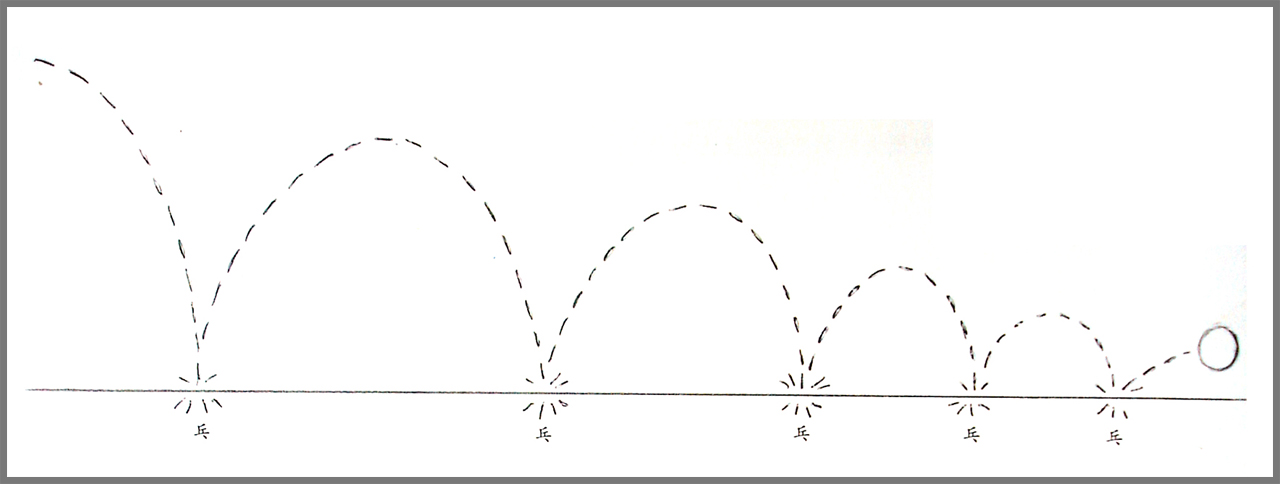
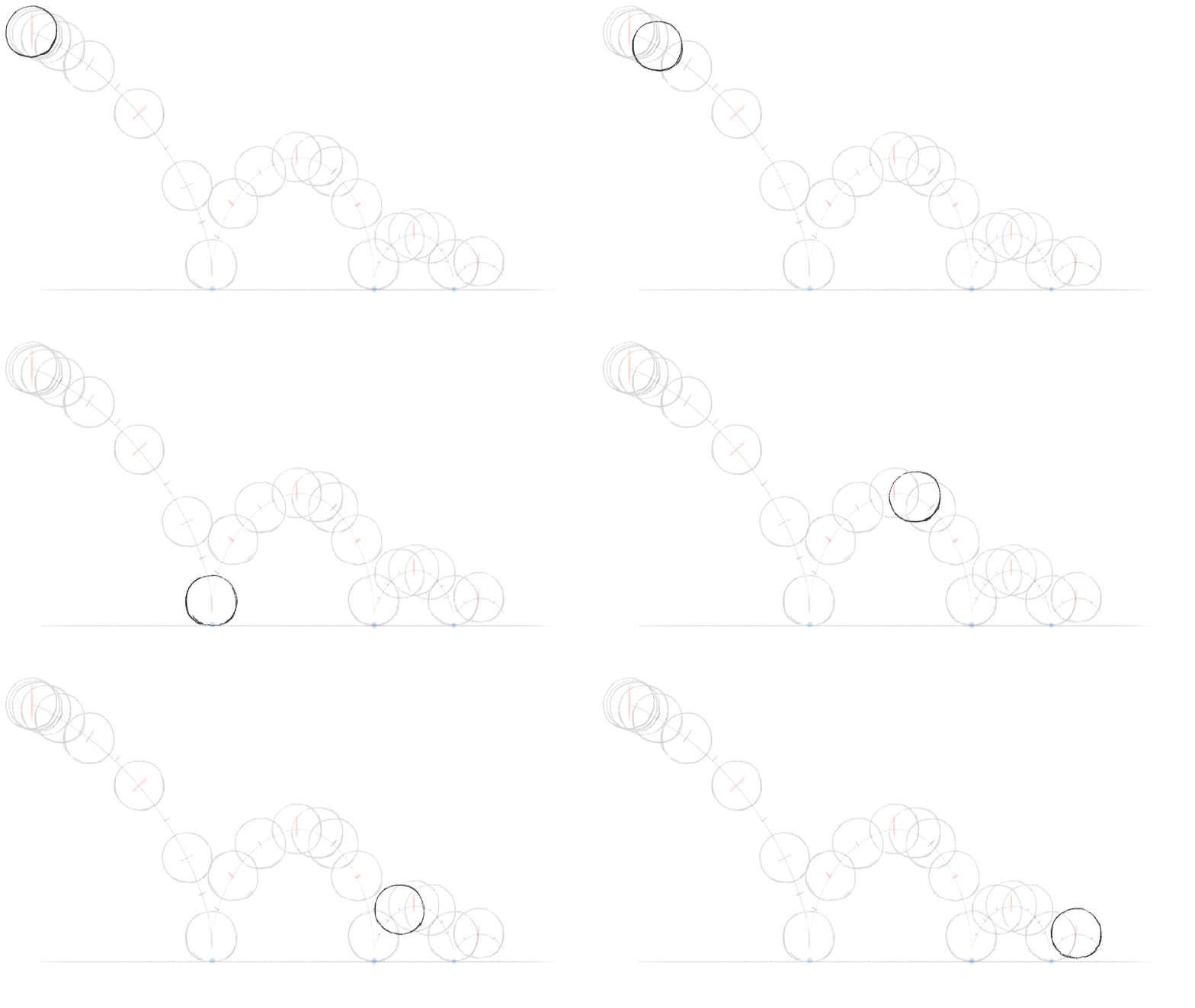
以弹球为例:Bouncing ball example

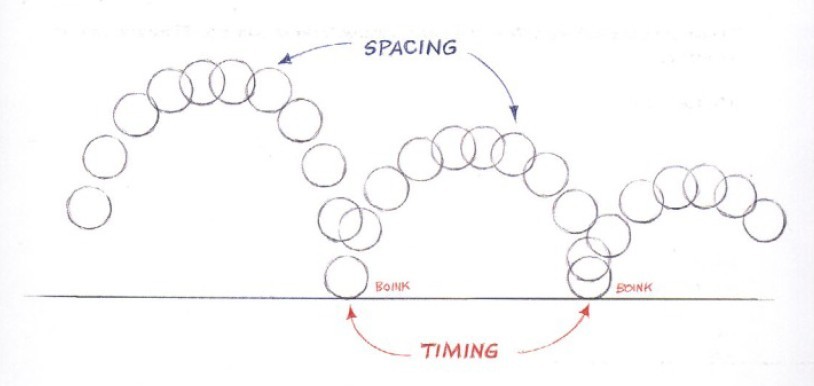
它碰撞地面发出呯呯声时就是时间点。球撞击地面的点就是动作的时间点,即事件发生的节奏,重音或节拍。

Where it hits – the ‘boinks’- that’s the ball is hitting the ground –that’s the timing of the action, the rhythm of where things happen, where the ‘accents’ or‘beats’ or ‘hits’ happen.

详细定义:

动画时间:即动画中物体完成一个动作所需的时间长度。

Animation time: the length of time required for an object to complete an action in the animation.

这一动作所需的时间长,其所占帧数就多,反之,其所占帧数就少。

The longer time, the more frames. The less time, the fewer frames.


空间幅度Spacing

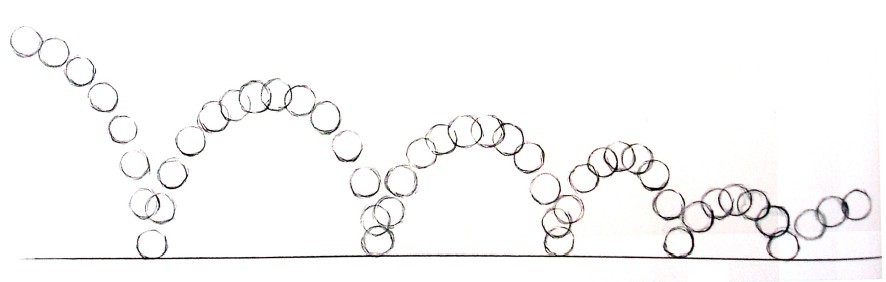
在弧线中较慢的地方弹球相互重叠,而在弹球快速下落时,没有重叠或重叠较少,空间幅度相对较大。这就是空间幅度,也就是疏密变化。

The ball overlaps itself when it’s at the slow part of its arc, but when it drops fast, it’s spaced further apart. That’s the spacing. The spacing is how close or far apart those clusters are.
详细定义:

动画空间:即动画中物体完成一个动作所需的空间距离。

Animation space: the space distance required for an object to complete an action in animation.

动作越大,空间距离越远。反之。

The bigger action range, the bigger space.


时间点和空间幅度之间的区别
Difference between Timing and Spacing


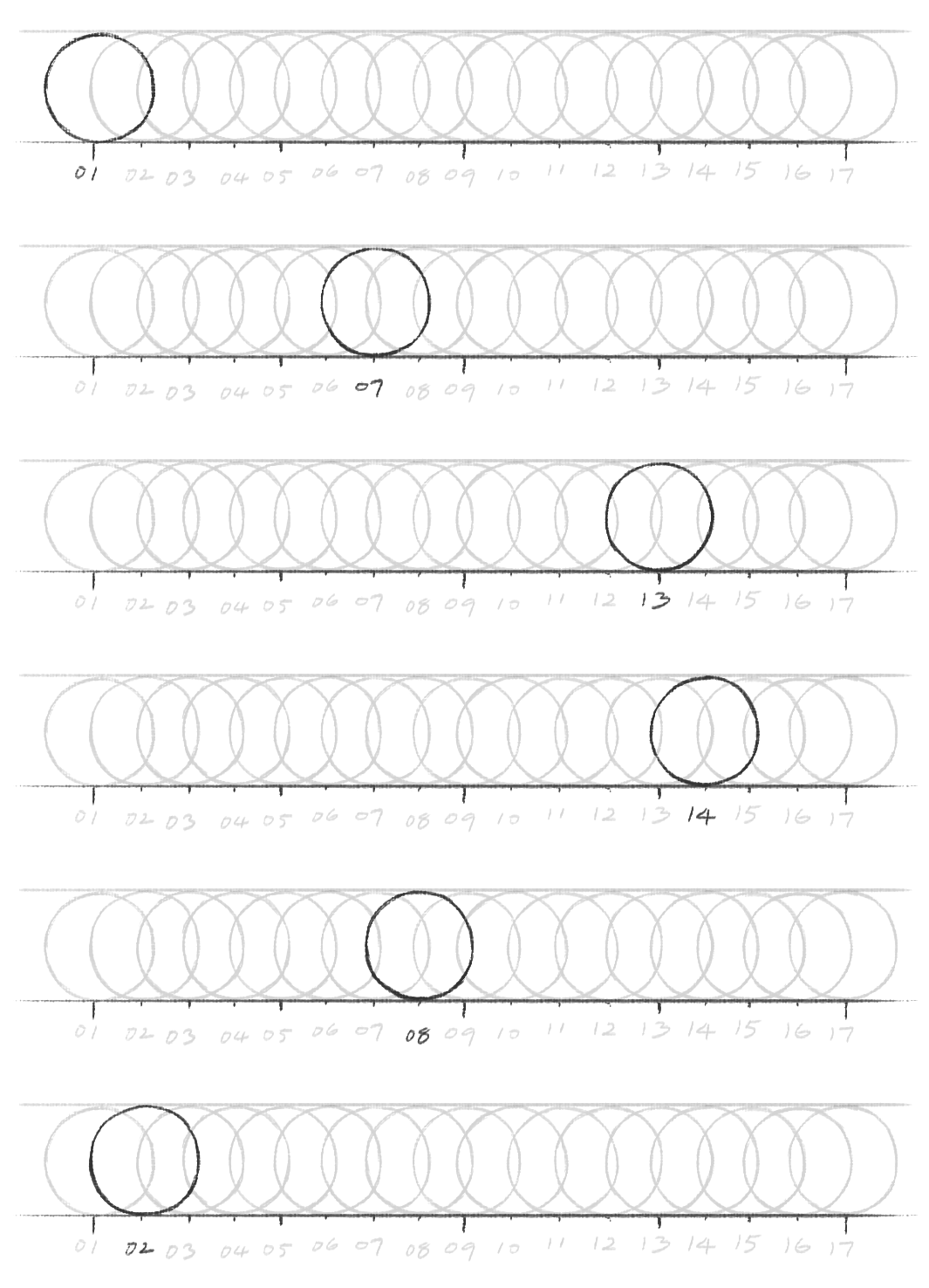
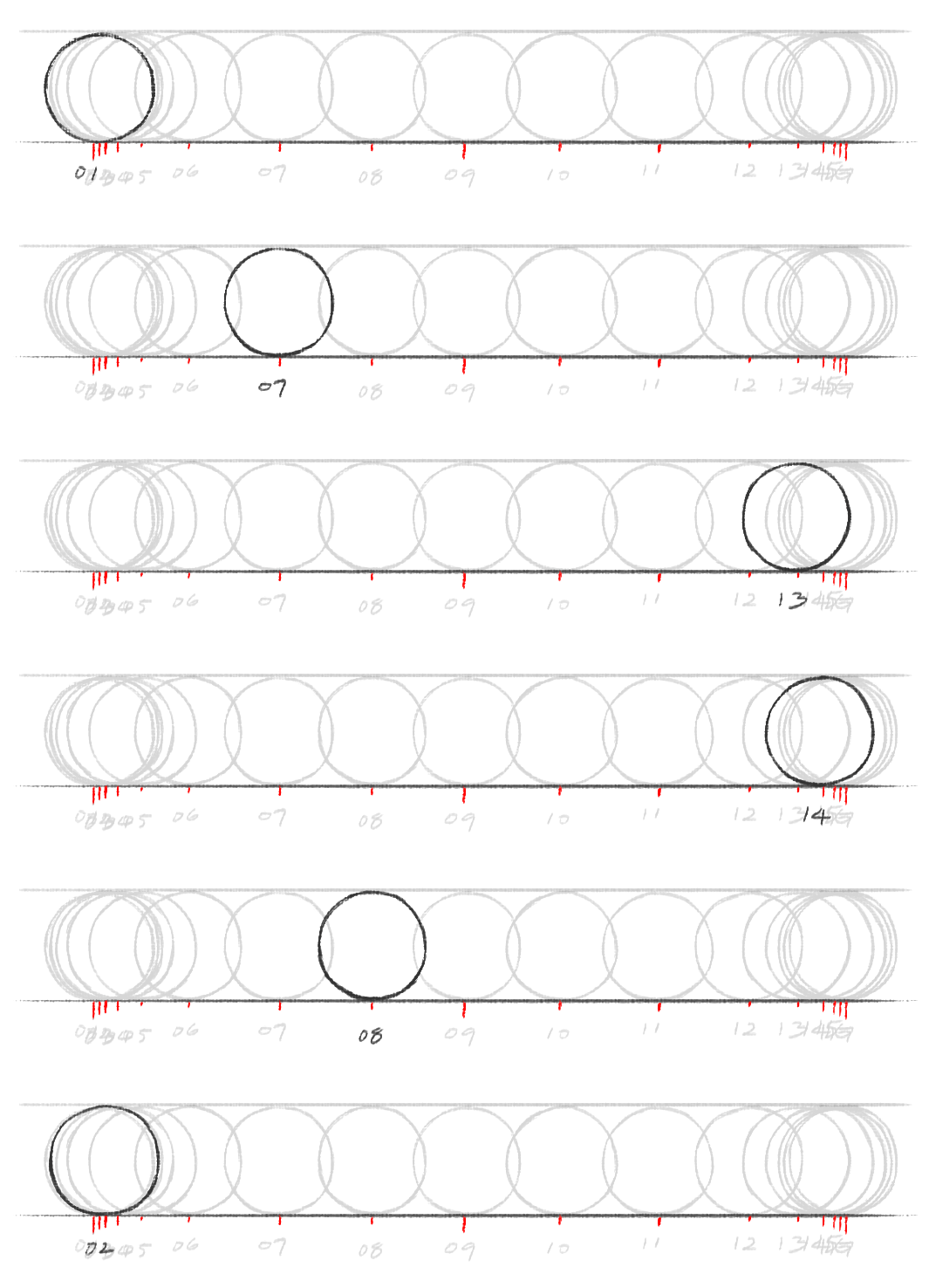
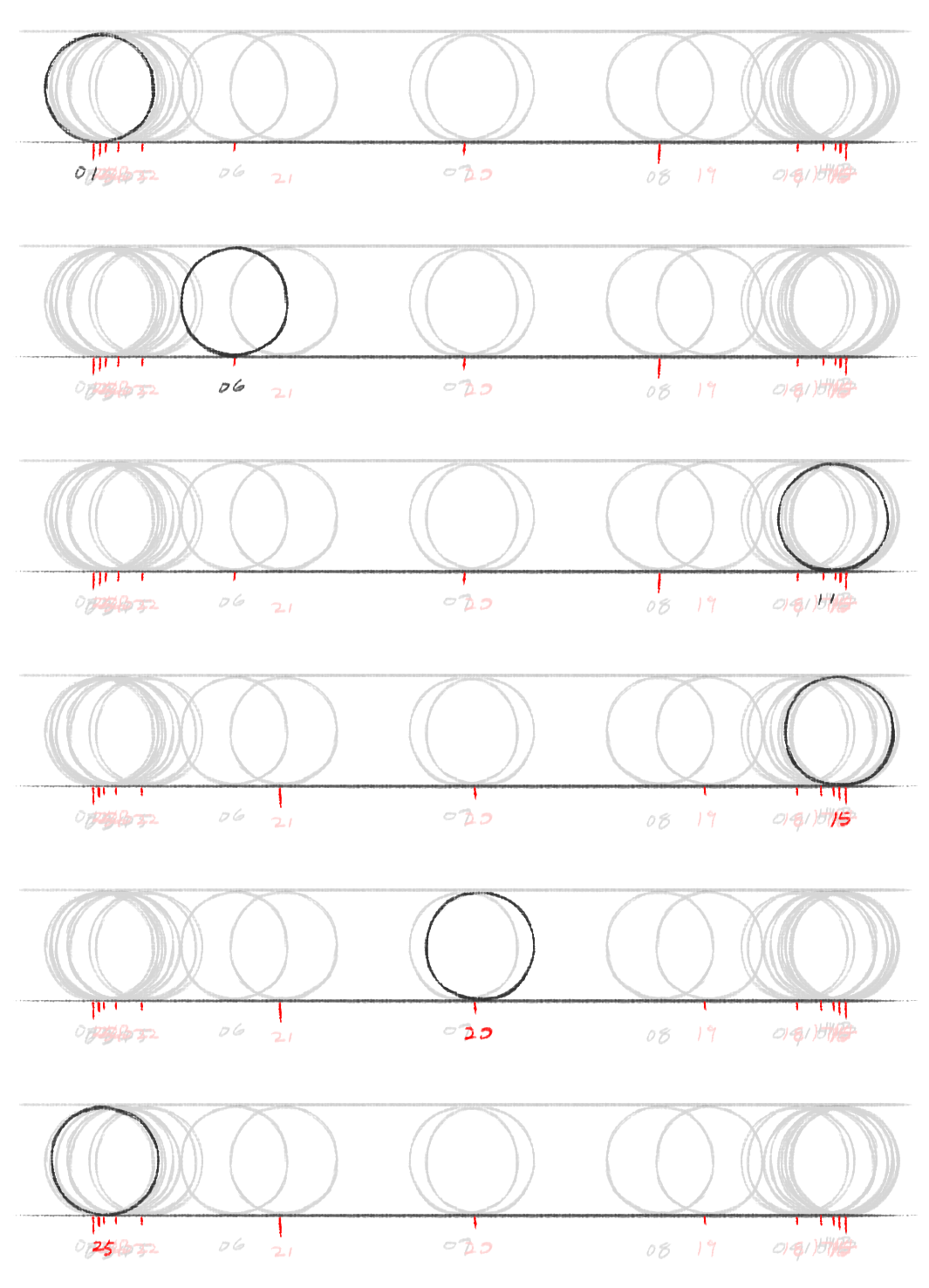
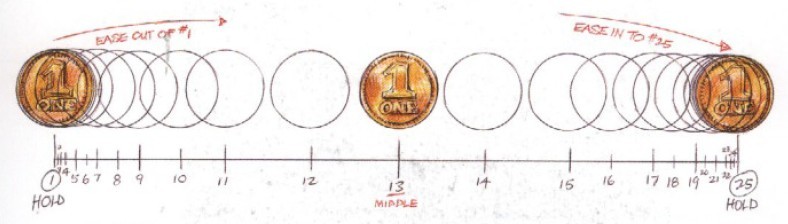
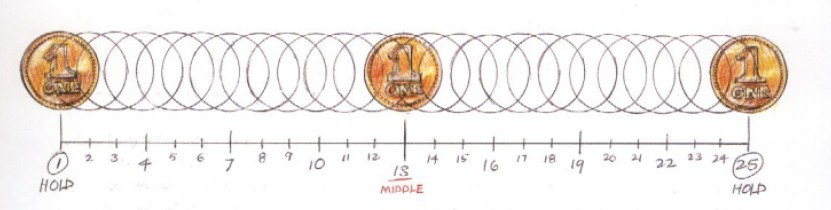
Q:两个硬币的运动有什么相同,什么不同?

What are the commons and differences between these two animations?
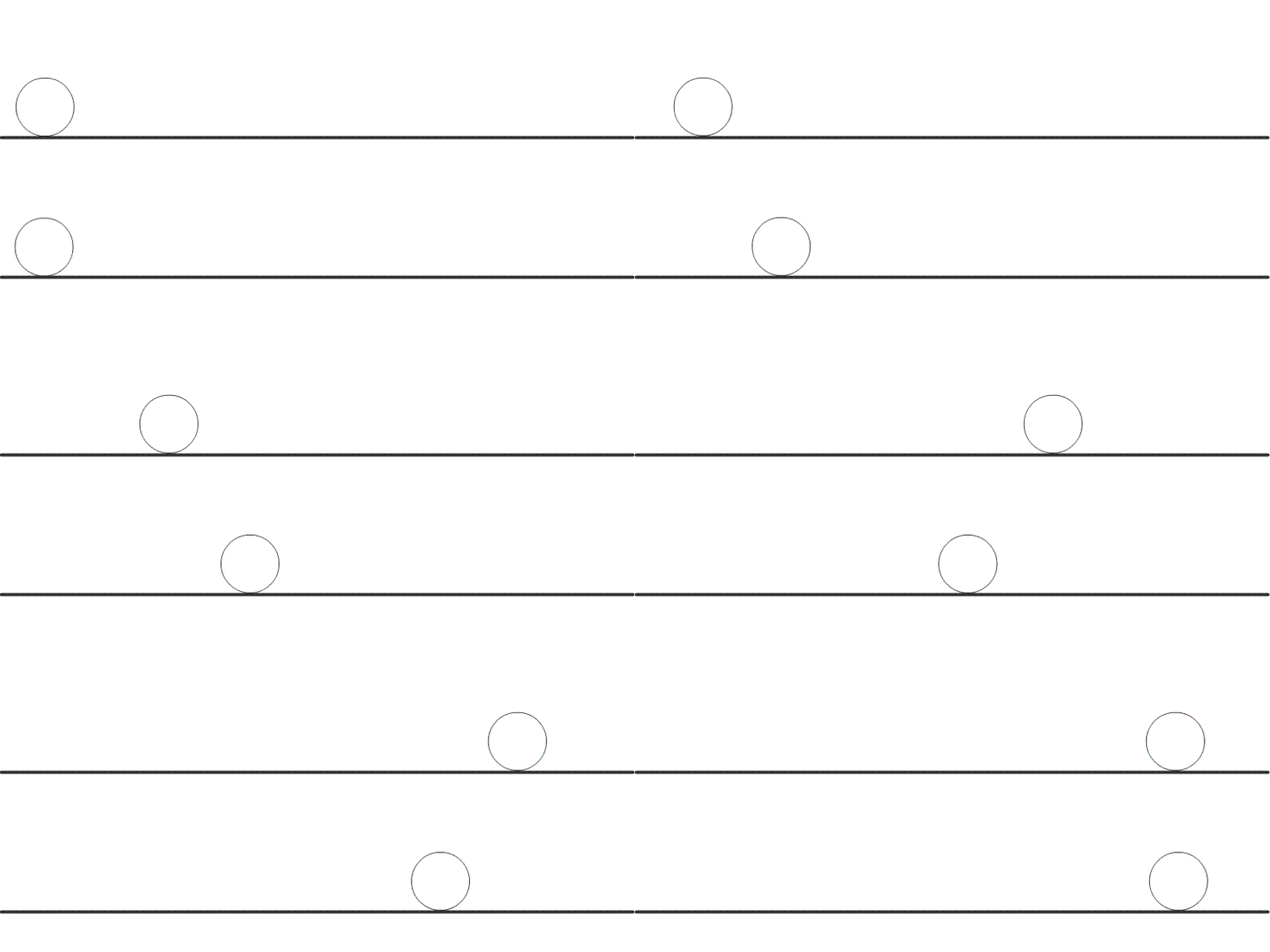

这两枚硬币的初始状态一样,同时到达中间位置,但运动中的空间幅度却很不同,所以运动也不同。

We can see two coins both start together, and both hit the middle together – but the spacing is quite different. And so the action is very different.


节奏 Rythem

时间和空间的不同搭配,可以创作出多种不同速度节奏的动作。

The different collocation of time and space can create a variety of movement with different speed and rhythm.


小练习A Trick

1、用一个小圆点当作角色 Create a dot as a cute character

2、随意画它的快速移动和缓慢移动 Animate it with fast and slow movement

3、让它看起来有生命! Make it alive!