-
1 Artical
-
2 Words and&nb...
-
3 Notes on&nbs...
-
4 Exercises



1 The world that we live in has changed beyond imagination, thanks to technological breakthroughs. These technologies have altered the way we conduct business, manage our work and personal lives and also how we perceive our world. It helps to understand the most crucial advances that have been ushered in.
1. Cloud Computing
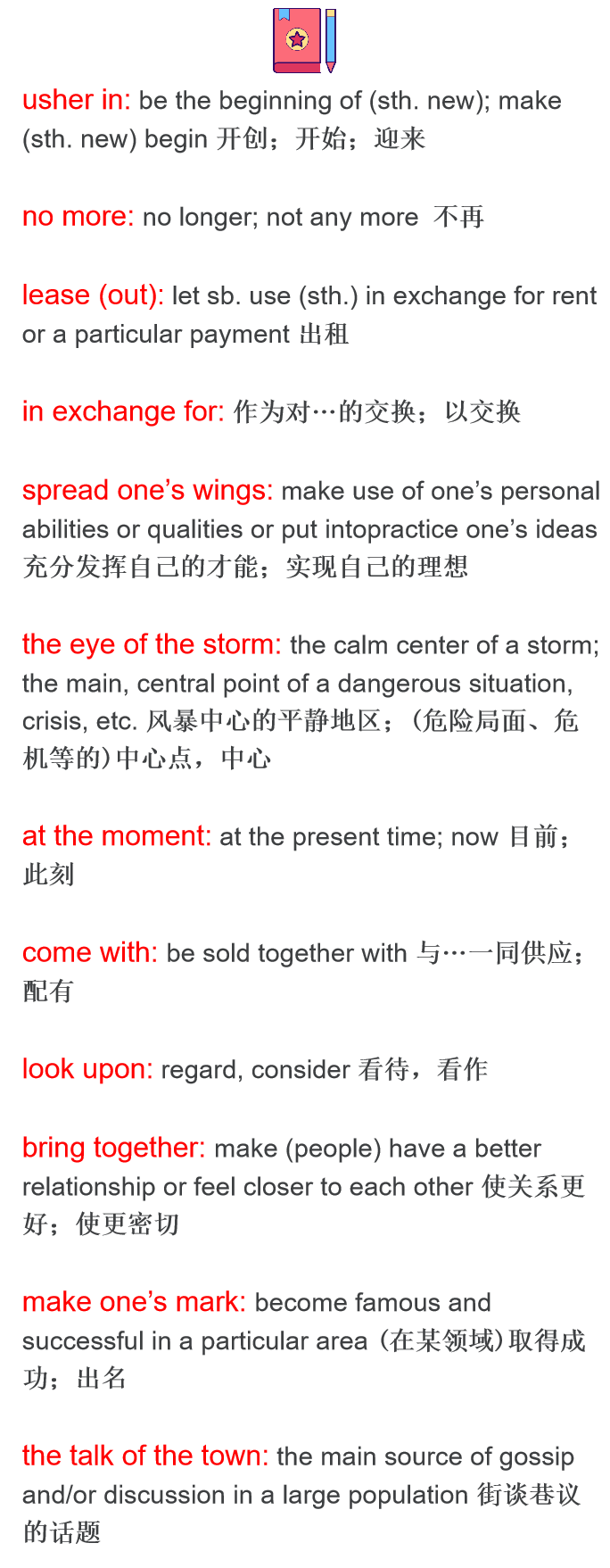
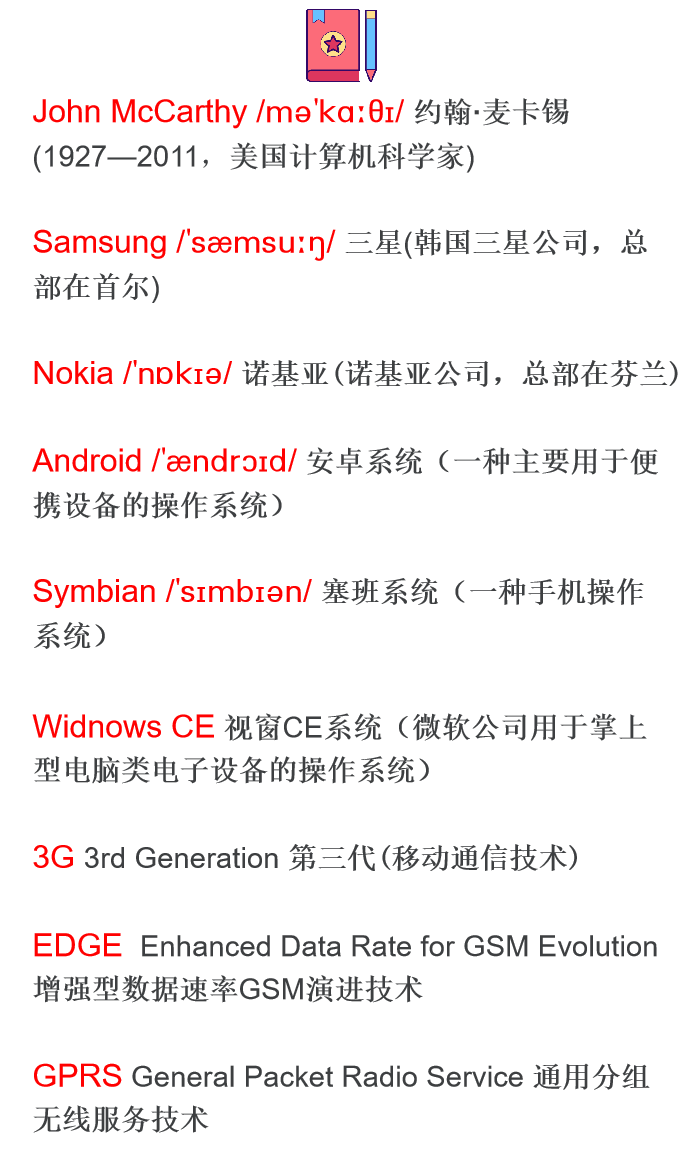
2 Provision of computing services over high-speed networks has been “the” breakthrough of the modern era. Back in the sixties computer scientist John McCarthy foretold that “computing may someday be organised as a public utility,” and by 2010 cloud computing already started spreading its wings to meet people’s requirements. The consumers of the cloud no more have to maintain high-end computing and storage devices nor a staff to maintain it. They lease out hardware, software and services in exchange for high quality services from some of the top brands in the IT sector.
2. Mobile Applications
3 Mobile application is the eye of the technological storm at the moment. While an average user navigates his mobile application menu to browse through some games or listen to music and watch videos, the apps can literally handle one’s whole life. Presentations, video conferencing, booking rail, flight or movie tickets, surfing the web, chatting with friends, paying domestic bills, ordering food, executing financial transactions through banks or even changing the channel on your television. Yes, life is easy with apps if you choose the right ones. The best part of it is that the top names in mobile technology, Apple, Samsung and Nokia, are competing fiercely to woo customers with better apps. The future is bright for mobile apps.
3. Android
4 Android, developed by Google, is set to revolutionize the entire mobile computing arena. In fact the advent of the green robot buddy has played a pivotal role in the rise of the tablets and smart phones. For years we had been dependant on Symbian / Windows CE based operating systems for our mobiles but Android introduced a more powerful way of working — its mainfeature was multitasking. Today the latest smart phones and tablets come with Android operating systems. The security, features, hardware portability and expansion capabilities of Android make it the first choice of any manufacturer.
4. Social Communication
5 Social networking over the Internet has gathered significant momentum in this period. The social network sites are now not looked upon as just a way to communicate with distant friends. The fruits that a social tree can reap are much juicier and modern netizens are now aware of it. Portals like Facebook, Twitter, MySpace and now g+ etc. can not only be a means to socialise but also devices to expand or advertise a business, gain new clients/customers, interact with specific interest groups, gain knowledge and explore the possibilities to any extent probable.
5. Video Communication
6 Prevalent means of communication over long-distances started with writing; migrated to oral and now have gone the visual way. Video has played a big role in bringing people together and is perhaps the most widely applied technology in the digital era. The applications of video are most popular in e-learning, merchandising, marketing, webinars, teleconferences and a wide range of other fields. It is a means of entertainment, education and information through mobile, Internet or television. Corporate use of video is also going mainstream.
6. 3G
7 When it comes to telecommunications, we have seen radical changes whether in handsets, applications or the quality of communication. With EDGE and GPRS already making their mark, it is now the turn for a faster, meaner mode of communication capable of handling huge data flow. The third generation mobile telecommunications, popularly known as the 3G is the talk of the town now. A generous space provided in the bandwidth spectrum facilitates top-quality voice telephone, mobile internet access, video calls and mobile TV.