-
1 Artical
-
2 Words and&nb...
-
3 Notes on&nbs...



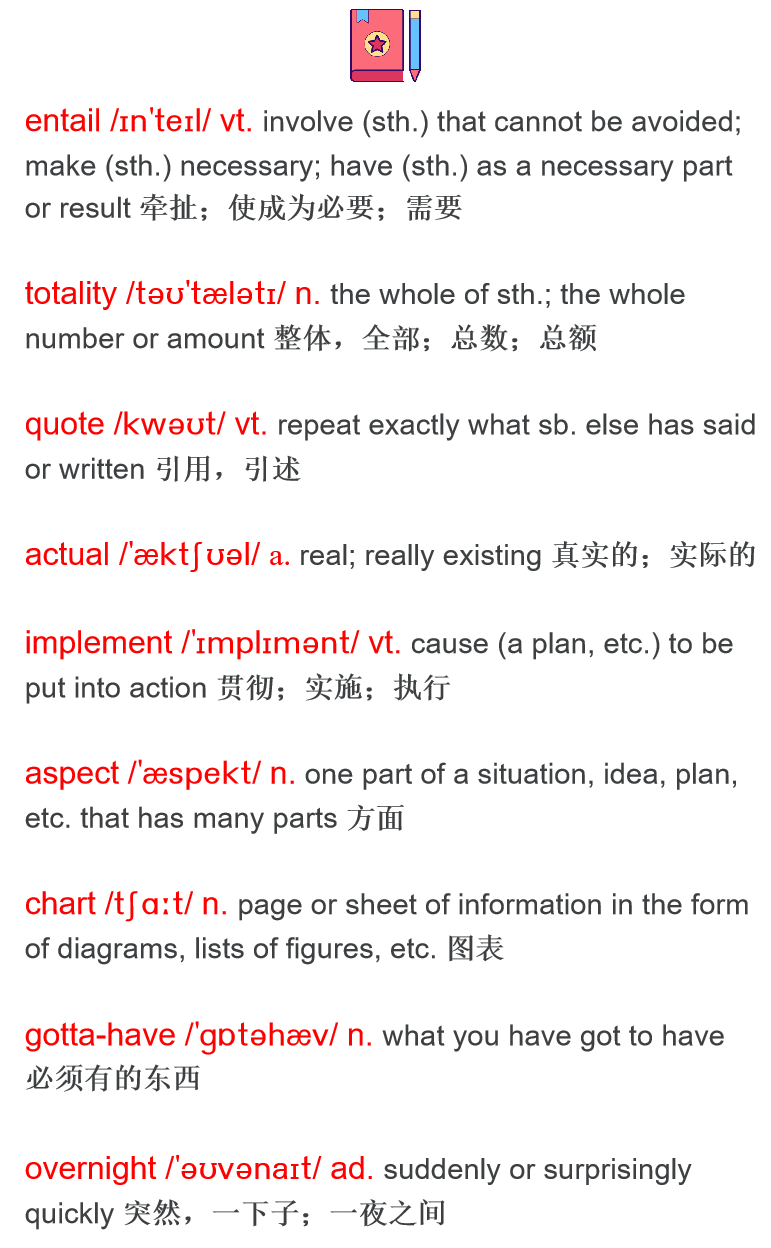
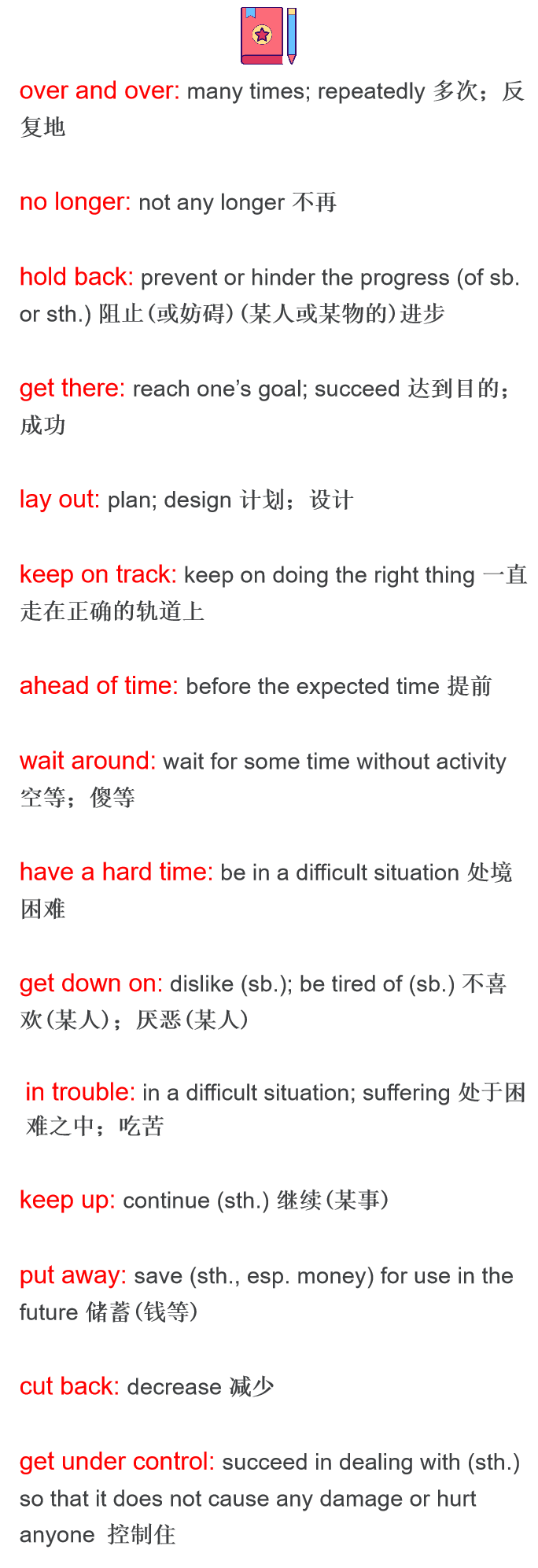
1 Habits may entail simple acts that, in their totality, have enormous power. Habits are the result of doing things over and over until we no longer have to think about doing them. Our habits can be either positive or negative, helping us to reach our goals or holding us back. A valuable life skill you can teach your teen is how to develop positive habits while getting rid of bad ones.
2 First, your teen should understand that habits can be changed. Developing good habits can take time, but they can be used as tools to achieve success. Looking for the positive in people, learning to save money, creating schedules and focusing on schoolwork are all examples of positive habits your teen could develop.
3 SUCCESS for Teens offers some great tips on developing good habits. With each tip, the book quotes actual teens who share how they implemented the tips in their own lives and the benefits they experienced.
Develop a Schedule
4 One of the best ways to achieve a goal is to create a detailed plan on how to get there. A teenager named Desiree describes how she used a schedule to develop a habit for doing schoolwork. She says having a schedule helps you get into the routine of challenging your mind. Once the schedule is laid out, it’s much easier to keep on track. This habit can be applied in nearly every aspect of your teen’s life.
Do Things Ahead of Time
5 Octavia Fugerson learned how to do things ahead of time and seek opportunities instead of waiting around for good things to happen. She took control of her situation and developed a habit that helped her focus on schoolwork.
6 “I tried to do my schoolwork ahead of time,” she says. “I’d make sure I’d do it to retain the information, not just to pass. If I was struggling in class, I’d let the teacher know if I was having a really hard time with it. I’d try to get some extra help. I would go online and look for tutors.”
Don’t Get Down on Yourself
7 Trying to develop new habits and getting rid of bad habits will involve some setbacks. But it’s important not to give up. It may take daily steps and choices to develop a new positive habit. Ralf Tarrant, 18, tells how he had to learn to save money. He used to spend every dollar he got, and often borrowed money from people. He soon realized that he’d be in trouble if he kept this up. So, he developed a habit of putting away a portion of any money he got. He says he still bought things, but cutting back a little made a huge difference over time.
Separate Needs from Wants
8 Jeremiah Spears learned how to get his spending under control when his friend Lisa suggested he use a chart to separate his wants, needs and gottahaves. “Lisa said it’s important to get what you need first and let the rest come later, so I began to make a chart every time I went shopping,” Jeremiah says.
9 Sometimes it’s not enough to give up a bad habit. Sometimes in order to do that, you need to replace the bad habit with a good one. Over time, the good habit becomes stronger than the bad one and eventually replaces it completely. Make sure your teen understands the power of creating good habits and that it takes time for actions to turn into a habit. It won’t happen overnight, but learning how to create good habits can serve your teen for the rest of his life.