目录

  • 1 UK-General Survey
    • 1.1 Introduction to the Course
    • 1.2 Official Name & Other Names
    • 1.3 Component Parts
    • 1.4 Capital City
    • 1.5 Language
    • 1.6 Currency
    • 1.7 Religion
    • 1.8 National Flag
    • 1.9 National Anthem
    • 1.10 National Emblem
    • 1.11 Quiz
    • 1.12 quiz
    • 1.13 checklist
  • 2 UK - Geography
    • 2.1 Position
    • 2.2 The Land
    • 2.3 Geographical Features of the Components
    • 2.4 Major Cites
    • 2.5 Climate
    • 2.6 checklist
  • 3 History
    • 3.1 The Founding of the Nation
    • 3.2 Transition to the Modern Age
    • 3.3 The Rise and Fall of the British Empire
    • 3.4 The History of the English Language
    • 3.5 checklist
  • 4 UK-Politics
    • 4.1 Political System
    • 4.2 Constitutional Monarchy
      • 4.2.1 The Constitution
      • 4.2.2 The Monarch
        • 4.2.2.1 Functions of the Monarch
        • 4.2.2.2 Present Monarch
      • 4.2.3 Quiz
    • 4.3 Separation of Powers
      • 4.3.1 Legislature – Parliament
        • 4.3.1.1 House of Lords
        • 4.3.1.2 House of Commons
          • 4.3.1.2.1 General Election
          • 4.3.1.2.2 Two-party System
      • 4.3.2 Executive – Government
        • 4.3.2.1 Prime Minister
        • 4.3.2.2 The Cabinet
      • 4.3.3 Judiciary - Court
      • 4.3.4 Quiz
    • 4.4 checklist
  • 5 UK-People and Their Lives
    • 5.1 Social Class
    • 5.2 General Characters of Britons
    • 5.3 Ways of Life
      • 5.3.1 Marriage and Family
      • 5.3.2 Housing
      • 5.3.3 Transportation
      • 5.3.4 Clothing
      • 5.3.5 Eating
      • 5.3.6 Working
      • 5.3.7 Sports
      • 5.3.8 Media
    • 5.4 Welfare System
    • 5.5 Social Problems
    • 5.6 checklist
    • 5.7 quiz 2A
    • 5.8 quiz 2B
  • 6 UK-Celebrities
    • 6.1 Who are they?
    • 6.2 Famous Britons
    • 6.3 Checklist
  • 7 UK & US -Major Holidays
    • 7.1 Intro
    • 7.2 New Year (UK&US)
    • 7.3 Birthday of Martin Luther King Jr. (US)
    • 7.4 Valentine's Day (UK&US)
    • 7.5 Easter (UK&US)
    • 7.6 April Fool's Day (UK&US)
    • 7.7 Queen's Birthday (UK)
    • 7.8 Independence Day (US)
    • 7.9 Labor Day (US)
    • 7.10 Columbus Day (US)
    • 7.11 Halloween (UK&US)
    • 7.12 Bonfire Night (UK)
    • 7.13 Rememberance Day (UK) / Veterans Day (US)
    • 7.14 Thanksgiving (US)
    • 7.15 Christmas (UK&US)
    • 7.16 Boxing Day (UK)
    • 7.17 Holiday Types
    • 7.18 Checklist
  • 8 Chapter 8 US-General Survey
    • 8.1 Country Name
    • 8.2 Capital City
    • 8.3 Language
    • 8.4 Religion
    • 8.5 Currency
    • 8.6 National Flag
    • 8.7 National Anthem
    • 8.8 National Bird
    • 8.9 Great Seal
    • 8.10 Population
    • 8.11 Checklist
    • 8.12 QUIZ
      • 8.12.1 QUIZ 3A
      • 8.12.2 QUIZ 3B
  • 9 Chapter 9 US-Geography
    • 9.1 Position
    • 9.2 Territory
    • 9.3 Time Zone
    • 9.4 State Region
    • 9.5 Geographical Features
    • 9.6 Waters
    • 9.7 Major Cities
    • 9.8 Climate
    • 9.9 Natural Disasters
    • 9.10 Quiz
    • 9.11 Checklist
  • 10 Chapter 10 US-History
    • 10.1 First Inhabitants
    • 10.2 Colonial Period
    • 10.3 War of Independence
    • 10.4 Westward Expansion
    • 10.5 American Civil War
    • 10.6 US in the 20th Century
    • 10.7 US in the 21st Century
    • 10.8 Resource for this chapter
      • 10.8.1 movie
    • 10.9 Quiz
    • 10.10 Checklist
  • 11 Chapter 11 US-Politics
    • 11.1 Government Principles
    • 11.2 Constitution
    • 11.3 Branches of Power
      • 11.3.1 Legislative
      • 11.3.2 Executive
      • 11.3.3 Judicial
      • 11.3.4 Checks and Balances
    • 11.4 Major Parties
    • 11.5 Election
    • 11.6 Quiz
    • 11.7 Checklist
  • 12 Chapter 12 US-People and Their Lives
    • 12.1 Basic Values
    • 12.2 Cultural Groups
      • 12.2.1 Caucasians
      • 12.2.2 Hispanics
      • 12.2.3 African Americans
      • 12.2.4 Native Americans
      • 12.2.5 Jewish Americans
      • 12.2.6 Asian Americans
    • 12.3 Social Welfare
    • 12.4 Tourism
    • 12.5 Life Style
      • 12.5.1 Family Structure
      • 12.5.2 Housing
      • 12.5.3 Commuting
      • 12.5.4 Food and Cuisine
      • 12.5.5 Fashion and Dress
      • 12.5.6 Transportation
      • 12.5.7 Media
      • 12.5.8 Sports
    • 12.6 Quiz 3
      • 12.6.1 Quiz 3A
      • 12.6.2 Quiz 3B
    • 12.7 Checklist
  • 13 Chapter 13 US-Celebrities
    • 13.1 Who are they?
    • 13.2 Influential Americans
  • 14 Chapter 14 UK & US-Education
    • 14.1 Education in the UK
      • 14.1.1 Education Policy
      • 14.1.2 Education System
        • 14.1.2.1 Primary Eduction
        • 14.1.2.2 Secondary Education
        • 14.1.2.3 Higher Education
    • 14.2 Education in the US
      • 14.2.1 Education Policy
      • 14.2.2 Education System
        • 14.2.2.1 Elementary & Secondary Education
        • 14.2.2.2 Higher Education
Cultural Groups

 Cultural Groups

A cultural group is made up of people who sharethe same behavior, belief, and language. In the United State, there are manycultural groups. Except for the Native American, Native Hawaiian, and NativeAlaskan population, nearly all Americans settled or immigrated within the pastfive centuries. Mainstream American culture is a Western culture. It is largelyderived from the traditions of European immigrants with influences from manyother sources, such as traditions brought by slaves from Africa. The minorgroups are called subcultures(亚文化群体). Some major cultural minoritygroups in the US include Hispanic American, Native Americans, AfricanAmericans, etc.

Social Theories of Immigration

Over time all new immigrants adopt some aspectsof American culture and add something new. Sociologists have identified a fewmajor theories on how these immigrants integrate themselves into Americansociety. If multiculturalism is an ambiguous term for you to understand, thenwe’d like to introduce some other terms to describe the cultural mix of theUnited States.

         i.           Melting Pot Theory

According to the Melting Pot Theory, peoples fromvarious cultures come to America and contribute aspects of their culture tocreate a new and unique American culture. They result is that contributionsfrom many cultures are indistinguishable(不能区别的) from one another and areeffectively “melted” together.

       ii.           Salad Bowl Theory

According to the Salad Bowl Theory, there aretimes when newly arrived immigrants don’t lose the unique aspects of theircultures like in the melting pot model; instead they retain them. Much like theingredients in a salad, the unique characteristics of each culture are stillidentifiable(可确认的) within the larger American society, yetcontribute to the overall makeup of the salad bowl. This theory is alsoreferred to as pluralism(多元化).

      iii.           Assimilation(同化)

Assimilation is the concept that eventuallyimmigrants or their descendants adopt enough of the American culture, such asby increasingly using English as their first language, while they may retainaspects or traditions of their cultural heritage, and they are uniquelyidentifiable as “American”.

 Racial Discrimination 

In its early years of the United States was asuccessful “melting pot”. The original settlers had similar backgrounds, cominglargely from Northern Europe, and were easily assimilated into society. Althoughthe later immigrants were from different backgrounds, they tended to be drawntogether.

As time went on, the characteristics of thedominant majority got solidified and determined to what extent other groupswere accepted. A large number of immigrants with obviously differentcharacteristics tended to be viewed as a threat to basic American values andthe American way of life. During the late 19th and 20th centuries,most immigrants came from poor countries and areas. For them, assimilation wasmuch harder because of the differences between their culture and language andthose of the established Americans. These new immigrants, feeling lost instrange surrounding, clustered together in small communities. Soon, many citieshad ethnic neighborhoods such as “Chinatown” and “Koreatown”.

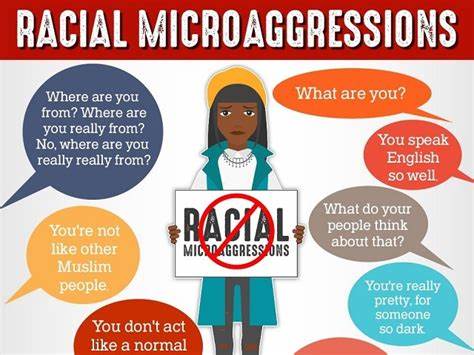
The discrimination based on ethnicity and raceis not uncommon. Some people of the dominant majority, especially WASP (WhiteAnglo-Saxon Protestants) elite, are objected to everyone who is not a WASP.Non-WASP European ethnics, such as Italians, Greeks and Irish, often rejectHispanics, Asians and Blacks, because these groups are not white. The Blacksare at the very bottom of the society. Most of them are the members of the workingclass and make up the impoverished(贫困人群). Despite the progress made by racial minorities since the 1960s,social inequality remains a stubborn issue in the current United States.