目录

  • 1 UK-General Survey
    • 1.1 Introduction to the Course
    • 1.2 Official Name & Other Names
    • 1.3 Component Parts
    • 1.4 Capital City
    • 1.5 Language
    • 1.6 Currency
    • 1.7 Religion
    • 1.8 National Flag
    • 1.9 National Anthem
    • 1.10 National Emblem
    • 1.11 Quiz
    • 1.12 quiz
    • 1.13 checklist
  • 2 UK - Geography
    • 2.1 Position
    • 2.2 The Land
    • 2.3 Geographical Features of the Components
    • 2.4 Major Cites
    • 2.5 Climate
    • 2.6 checklist
  • 3 History
    • 3.1 The Founding of the Nation
    • 3.2 Transition to the Modern Age
    • 3.3 The Rise and Fall of the British Empire
    • 3.4 The History of the English Language
    • 3.5 checklist
  • 4 UK-Politics
    • 4.1 Political System
    • 4.2 Constitutional Monarchy
      • 4.2.1 The Constitution
      • 4.2.2 The Monarch
        • 4.2.2.1 Functions of the Monarch
        • 4.2.2.2 Present Monarch
      • 4.2.3 Quiz
    • 4.3 Separation of Powers
      • 4.3.1 Legislature – Parliament
        • 4.3.1.1 House of Lords
        • 4.3.1.2 House of Commons
          • 4.3.1.2.1 General Election
          • 4.3.1.2.2 Two-party System
      • 4.3.2 Executive – Government
        • 4.3.2.1 Prime Minister
        • 4.3.2.2 The Cabinet
      • 4.3.3 Judiciary - Court
      • 4.3.4 Quiz
    • 4.4 checklist
  • 5 UK-People and Their Lives
    • 5.1 Social Class
    • 5.2 General Characters of Britons
    • 5.3 Ways of Life
      • 5.3.1 Marriage and Family
      • 5.3.2 Housing
      • 5.3.3 Transportation
      • 5.3.4 Clothing
      • 5.3.5 Eating
      • 5.3.6 Working
      • 5.3.7 Sports
      • 5.3.8 Media
    • 5.4 Welfare System
    • 5.5 Social Problems
    • 5.6 checklist
    • 5.7 quiz 2A
    • 5.8 quiz 2B
  • 6 UK-Celebrities
    • 6.1 Who are they?
    • 6.2 Famous Britons
    • 6.3 Checklist
  • 7 UK & US -Major Holidays
    • 7.1 Intro
    • 7.2 New Year (UK&US)
    • 7.3 Birthday of Martin Luther King Jr. (US)
    • 7.4 Valentine's Day (UK&US)
    • 7.5 Easter (UK&US)
    • 7.6 April Fool's Day (UK&US)
    • 7.7 Queen's Birthday (UK)
    • 7.8 Independence Day (US)
    • 7.9 Labor Day (US)
    • 7.10 Columbus Day (US)
    • 7.11 Halloween (UK&US)
    • 7.12 Bonfire Night (UK)
    • 7.13 Rememberance Day (UK) / Veterans Day (US)
    • 7.14 Thanksgiving (US)
    • 7.15 Christmas (UK&US)
    • 7.16 Boxing Day (UK)
    • 7.17 Holiday Types
    • 7.18 Checklist
  • 8 Chapter 8 US-General Survey
    • 8.1 Country Name
    • 8.2 Capital City
    • 8.3 Language
    • 8.4 Religion
    • 8.5 Currency
    • 8.6 National Flag
    • 8.7 National Anthem
    • 8.8 National Bird
    • 8.9 Great Seal
    • 8.10 Population
    • 8.11 Checklist
    • 8.12 QUIZ
      • 8.12.1 QUIZ 3A
      • 8.12.2 QUIZ 3B
  • 9 Chapter 9 US-Geography
    • 9.1 Position
    • 9.2 Territory
    • 9.3 Time Zone
    • 9.4 State Region
    • 9.5 Geographical Features
    • 9.6 Waters
    • 9.7 Major Cities
    • 9.8 Climate
    • 9.9 Natural Disasters
    • 9.10 Quiz
    • 9.11 Checklist
  • 10 Chapter 10 US-History
    • 10.1 First Inhabitants
    • 10.2 Colonial Period
    • 10.3 War of Independence
    • 10.4 Westward Expansion
    • 10.5 American Civil War
    • 10.6 US in the 20th Century
    • 10.7 US in the 21st Century
    • 10.8 Resource for this chapter
      • 10.8.1 movie
    • 10.9 Quiz
    • 10.10 Checklist
  • 11 Chapter 11 US-Politics
    • 11.1 Government Principles
    • 11.2 Constitution
    • 11.3 Branches of Power
      • 11.3.1 Legislative
      • 11.3.2 Executive
      • 11.3.3 Judicial
      • 11.3.4 Checks and Balances
    • 11.4 Major Parties
    • 11.5 Election
    • 11.6 Quiz
    • 11.7 Checklist
  • 12 Chapter 12 US-People and Their Lives
    • 12.1 Basic Values
    • 12.2 Cultural Groups
      • 12.2.1 Caucasians
      • 12.2.2 Hispanics
      • 12.2.3 African Americans
      • 12.2.4 Native Americans
      • 12.2.5 Jewish Americans
      • 12.2.6 Asian Americans
    • 12.3 Social Welfare
    • 12.4 Tourism
    • 12.5 Life Style
      • 12.5.1 Family Structure
      • 12.5.2 Housing
      • 12.5.3 Commuting
      • 12.5.4 Food and Cuisine
      • 12.5.5 Fashion and Dress
      • 12.5.6 Transportation
      • 12.5.7 Media
      • 12.5.8 Sports
    • 12.6 Quiz 3
      • 12.6.1 Quiz 3A
      • 12.6.2 Quiz 3B
    • 12.7 Checklist
  • 13 Chapter 13 US-Celebrities
    • 13.1 Who are they?
    • 13.2 Influential Americans
  • 14 Chapter 14 UK & US-Education
    • 14.1 Education in the UK
      • 14.1.1 Education Policy
      • 14.1.2 Education System
        • 14.1.2.1 Primary Eduction
        • 14.1.2.2 Secondary Education
        • 14.1.2.3 Higher Education
    • 14.2 Education in the US
      • 14.2.1 Education Policy
      • 14.2.2 Education System
        • 14.2.2.1 Elementary & Secondary Education
        • 14.2.2.2 Higher Education
Easter (UK&US)


Easter

Easter is a traditionally a religious holiday celebrated by Christians. For people believe in Christianity, Easter is an important holiday whichcommemorates the day of Jesus Christ’s resurrection of rebirth three days afterhis Crucifixion. It is always celebrated on a Sunday, but the exact datechanges from year to year. Today most Christians celebrate Easter on the Sunday between March 22 and April 25, depending on the date of the first full moon after the spring equinox(春分), so Easter became a “movable”feast. Because the date is very hard to calculate, people usually wait for the announcement from the authority.  Easter involves a four-day weekend, including Good Friday, which occurs two days before Easter Sunday, and Easter Monday, the day after Easter Sunday. Many retail stores, shopping malls, and restaurants are closed during this period.

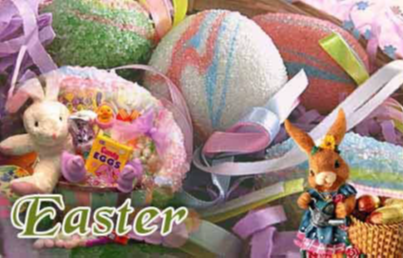
The Easter holiday is rooted in older festivals that celebrated the arrival of spring and the word “Easter” is named after "Eostre", the Anglo-Saxon goddess of spring, so many Easter traditions began long before Christianity. The Easterbunny and Easter eggs are very old traditions that symbolize spring and newlife.

Easter eggs are specially decorated eggs given out to celebrate the Easter holiday or springtime. The oldest tradition is to use dyed and painted eggs, but a modern custom is to substitute chocolate eggs, or plastic eggs filled with candy.

The Easter Bunny is a rabbit-spirit. Long ago, he was called the “EasterHare”. Hare and rabbit were the most fertile animals known and they served as symbols of the new life during the spring season.

Traditionally, many celebrants bought new clothes for Easter and wore to church. After church services, everyone went for a walk around the town. This leads to the custom of Easter parades in many big cities. Perhaps the most famous parade is that along Fifth Avenue in New York City

Many Americans follow the tradition of coloring hard-boiled eggs andgiving baskets of candy. On Easter Monday, the President of the US holds anannual Easter egg roll on the White House lawn for young children.

In Britain, some people preserve the tradition of eating hot crossbuns as their breakfast, which symbolize the crucifix.