Lead-in
1 Work in pairs and discuss the questions.
1) What are the most popular sports in China?
2) Do you think foreigners can understand Chinese sports such as t'ai chi and kung fu?
3) Do you understand foreign sports, such as football and tennis?
4) How much do you think national culture is reflected in sports?
2. Further questions:
1). What’s your first impression of American football game?
2). What are the differences between American football and soccer?
3). Watch the video clip and discuss the cruelty and wildness of sports.
American football is a ball game with complex rules and intricate strategies, played in a number of countries but mainly in the US. Each team has 11 players on the field at a time (out of 46 in a whole team who are divided into offence, defence and specialized teams) and each player has a specialized role or task for each specific play. Players carry the egg-shaped ball and pass or hand it backwards to others (a “running play”) or throw it forwards to team-mates (a “passing play”). Opposing players may “tackle” a player running with ball (by pushing, grasping or pulling) or block other players.
Plays usually begin with a “scrimmage” in which players on the field take up particular formations for offence and defence and consist of a series of “downs” (rapid bursts of play in which the offence attempts to advance the ball towards their opponents’ endzone), outside of which the ball is “dead” (out of play). The main points are scored by a 6-point “touchdown” (when the ball is taken to the opponents’ end zone), a 3-point “field goal” (when the ball is kicked through the opponents’ goal posts), or a 2-point “safety” (by tackling an opposing ball carrier in their own end zone).
Players need strength, speed, technique and high collaboration and understanding of teamwork in different plays. Because the game stops after every “down”, teams have many opportunities to change the “plays”, choosing different ones from a wide repertoire with different strategies (safer or more risky, disguised or deceptive, easy or more complex ones), which makes American football like a war game.
Soccer is a word for the game of football. The word soccer is used so that it is not confused with American football.
Culture points:
the Slaves’ Chorus: 奴隶合唱曲(歌剧《纳布科》中由犹太奴隶唱出的合唱歌曲)
The Slaves’ Chorus comes from Act III of the opera, when the slaves long for their homeland and sing “Va, pensiero, sull’ali dorate” (“Fly, thought, on golden wings”). In the passage, the writer suggests that the fans’ humming or chanting of songs (to encourage their team or taunt the opposition) is mournful and sad like Verdi’s famous chorus.
Libretto:
Fly, thought, on wings of gold;
go settle upon the slopes and the hills,
where, soft and mild, the sweet airs
of our native land smell fragrant!
Greet the banks of the Jordan
and Zion’s toppled towers.
Oh, my country so lovely and lost!
Oh, remembrance so dear and so fraught with despair!
Golden harp of the prophetic seers,
why dost thou hang mute upon the willow?
Rekindle our bosom’s memories,
and speak of times gone by!
Mindful of the fate of Jerusalem,
either give forth an air of sad lamentation,
or else let the Lord imbue us
with fortitude to bear our sufferings!
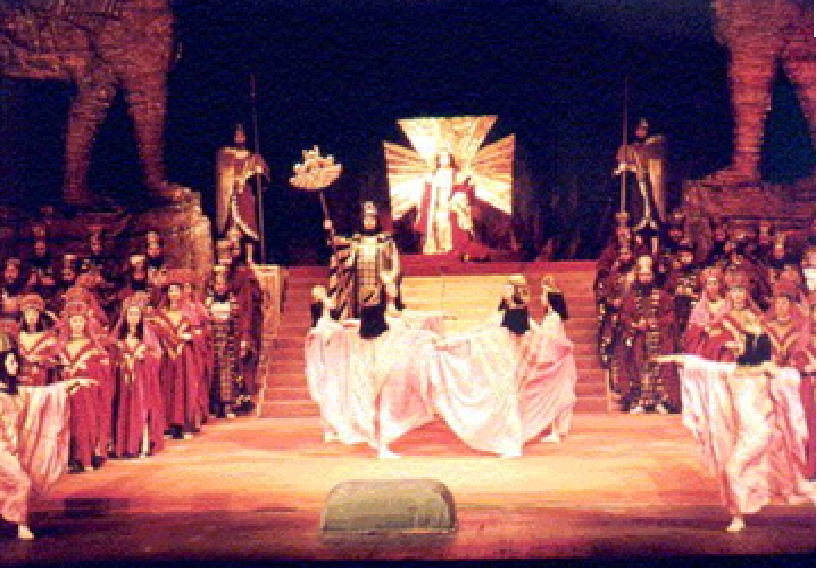
Nabucco 《纳布科》(歌剧名)
It is a famous 1842 opera by Verdi (1813–1901) about Nabucco (630–562 BC; Nebuchadnezzar in English), king of ancient Babylon – roughly, modern Iraq – whose armies in 587 BC captured Jerusalem, destroyed the city and its famous temple, took much of the Jewish population prisoners and exiled them to the city Babylon.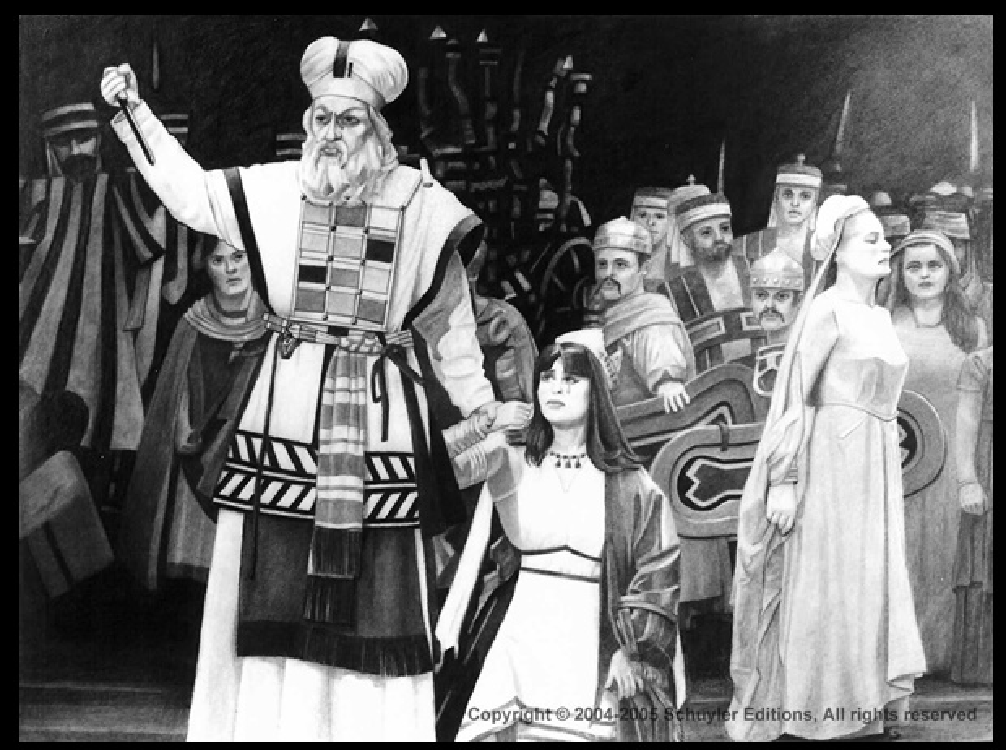
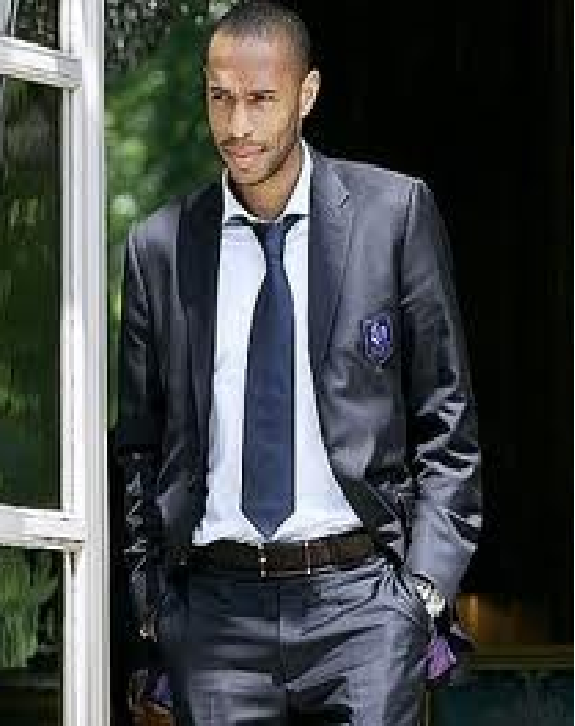
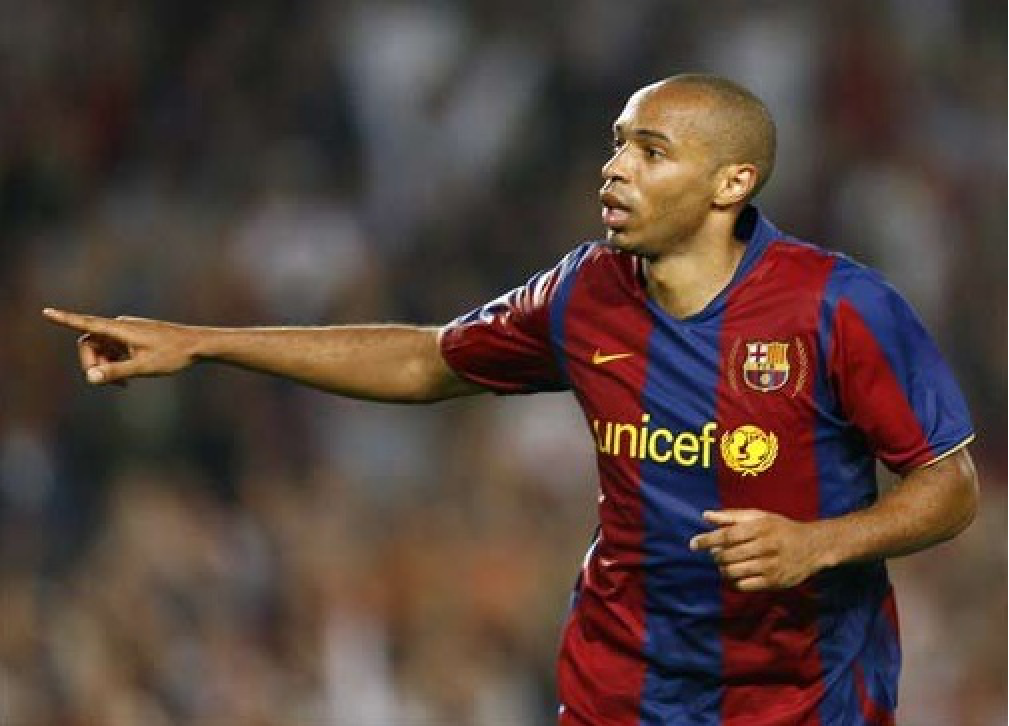
Thierry Henry a French football player who has been an outstanding striker in England (for Arsenal) and Spain (for Barcelona) and for the French national team 蒂埃里·亨利(法国足球运动员)
BBC (British Broadcasting corporation) 英国广播公司
The British Broadcasting Corporation (BBC) is the principal public service broadcaster in the United Kingdom, headquartered in the Broadcasting House in the City of Westminster, London. It is the largest broadcaster in the world, with about 23,000 staff. Its main responsibility is to provide public service broadcasting in the United Kingdom, Channel Islands and Isle of Man.
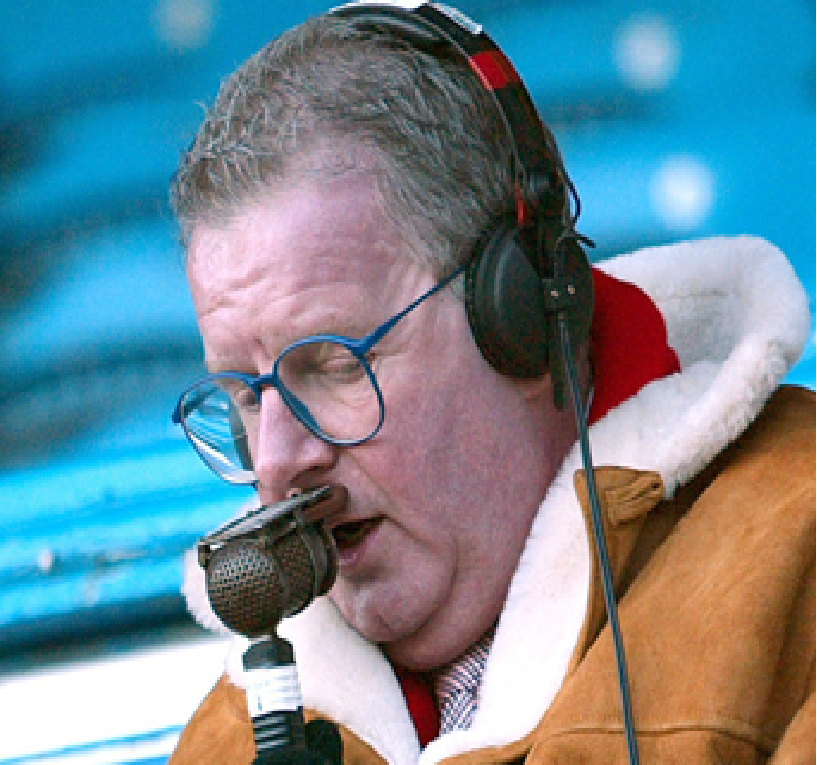
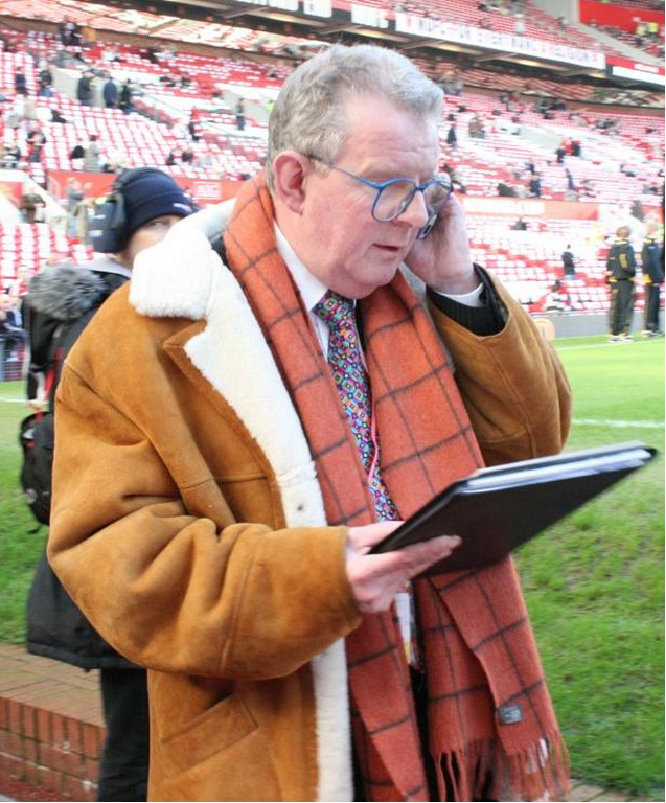
John Motson 约翰·莫特森(英国广播公司解说员)
John Motson (1945— ) commented on football for BBC radio and television for 30 years, covering well over 1,000 matches including all major championships in Britain, Europe and the World. He was very popular with football fans and was regarded as the BBC’s “voice of soccer”.
In 2008, Motson announced his retirement from live television commentary. The Euro 2008 final was his last live television broadcast. He has continued since then to cover games for Match of the Day highlights and appear on BBC Radio 5 Live.