雅思阅读

李霜

目录

  • 1 第一单元
    • 1.1 Intro:What skills or abilities is IELTS evaluating?
    • 1.2 Intro:What skills or abilities is IELTS evaluating?
  • 2 第二单元
    • 2.1 Words and phrases in the reading context
    • 2.2 Words and phrases in the reading context
  • 3 第三单元
    • 3.1 Words and phrases in the reading context
    • 3.2 Words and phrases in the reading context
  • 4 第四单元
    • 4.1 Grammatical structures employed in EAP reading
    • 4.2 Grammatical structures employed in EAP reading
  • 5 第五单元
    • 5.1 Grammatical structures employed in EAP reading
    • 5.2 Grammatical structures employed in EAP reading
  • 6 第六单元
    • 6.1 Grammatical structures employed in EAP reading
    • 6.2 Grammatical structures employed in EAP reading
  • 7 第七单元
    • 7.1 Passage structures
    • 7.2 Passage structures
  • 8 第八单元
    • 8.1 Passage structures  Mid-term test
    • 8.2 Passage structures  Mid-term test
  • 9 第九单元
    • 9.1 Main ideas and corresponding question types in IELTS reading
    • 9.2 Main ideas and corresponding question types in IELTS reading
  • 10 第十单元
    • 10.1 Main ideas and corresponding question types in IELTS reading
    • 10.2 Main ideas and corresponding question types in IELTS reading
  • 11 第十一单元
    • 11.1 Main ideas and corresponding question types in IELTS reading
    • 11.2 Main ideas and corresponding question types in IELTS reading
  • 12 第十二单元
    • 12.1 Detailed information and corresponding question types in IELTS reading
    • 12.2 Detailed information and corresponding question types in IELTS reading
  • 13 第十三单元
    • 13.1 Detailed information and corresponding question types in IELTS reading
    • 13.2 Detailed information and corresponding question types in IELTS reading
  • 14 第十四单元
    • 14.1 Detailed information and corresponding question types in IELTS reading
    • 14.2 Detailed information and corresponding question types in IELTS reading
  • 15 第十五单元
    • 15.1 Review
    • 15.2 Review
  • 16 第十六单元
    • 16.1 Final
    • 16.2 Final
Passage structures

雅思阅读之文章结构:

  1. 结构是什么?

  2. 结构有何用?

  3. 结构怎么用?


1. 结构是什么

Strucure is the most convenient vehicle an author could adopt to convey his opinions efficiently.

结构是一个作者所能采用的最便捷的信息传达工具。换言之,结构是一个作者思的体现。

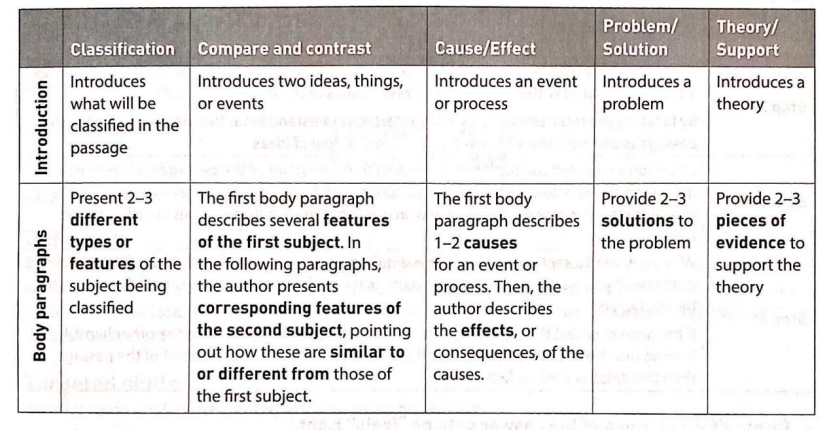
常见的五种雅思文章结构类型:


2. 结构有什么用

帮助我们定位信息:

雅思阅读出题特点决定了,其答案定位区间有可能重叠或者交叉,如果按照固定思维“带着问题找答案”解题效率比较低下,因为对于无序和无逻辑的信息我们找寻和记忆都是特别困难的,因此我们需要找到有规律的线索来指引我们找到答案定位区间,而结构就是这个有规律的、能指引我们找到所需信息的路径。通过结构我们可以做到真正的按图索骥。


3. 结构怎么用?

结构是一篇文章信息所依附的骨骼,作者在构建后结构后去充盈内容,形成文章更加丰富的骨肉血脉。没有结构,这篇文章就像一团瘫软的肉泥,松散不堪。我们摸到结构这个“骨骼”后,根据对这个“骨骼”类型的判断从而来判断依附在其上的“血肉”到底是什么样的。

文章构成无外乎标题和段落,但阅读的节奏并非也是这样一成不变的,我们需要知道作者会在什么样的地方摆置什么样的内容以及为什么摆置这样的内容。我们在阅读的过程中也需要仔细审视标题的解释性作用,然后找到段落中的骨骼,即串起所有信息的轴,也是多数人所了解的“主旨句”。

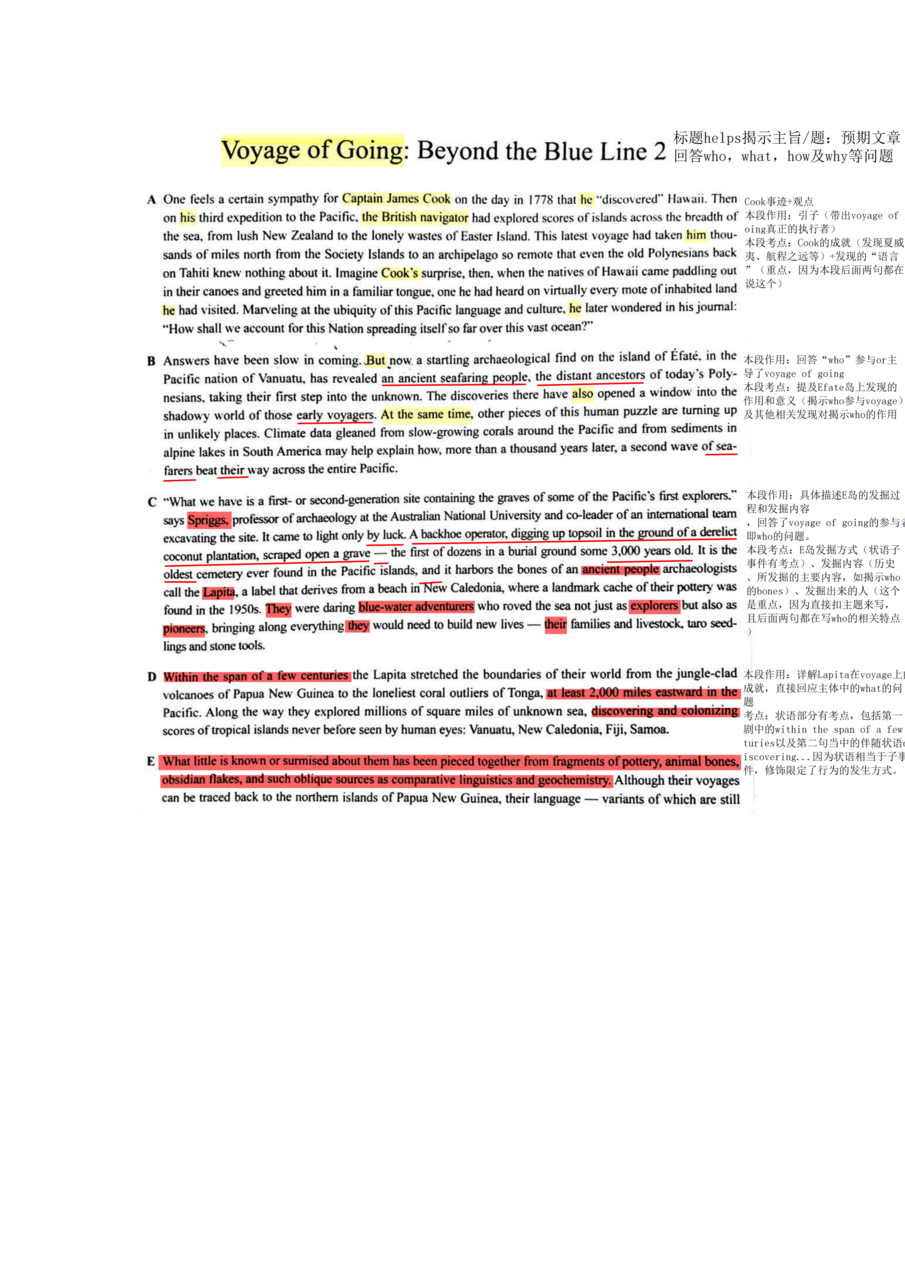
下面这篇文章及其相关解析可以很好的阐释结构的作用以及如何利用结构来帮助自己高效定位信息: