
学习目标
Learning Objectives :
1. Know the general purpose of this course.
2. Know the objectives of this course.
3. Know the reasons to take this course.
章节任务
Assignment:
1. Lead-in
2. Course introduction 1
3. Case study
4. Vocabulary study
5. Homework
1. Lead-in
(1)Video watching
(2)微课观看:What is Intercultural Communication?
(请点击后方链接观看)跨文化介绍
2. Course introduction 1
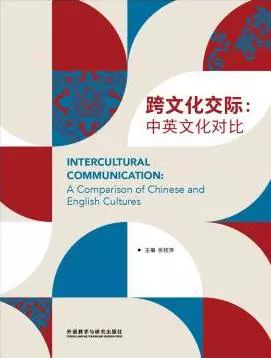
教学视频
教学课件
3. Case study
Case Study 1 Age and Status
两位同事的矛盾使一家数据处理公司的总经理遇到了麻烦。一方是一位踌躇满志的法裔加拿大小伙子,另一方是一位有特许签证的年长的中国女性,而此前两人确实很好的合作伙伴…..
Case description:
Amanager in a data-processing company was having difficulty dealing with a conflict between a
young, ambitious French Canadian male and his co-worker, an older Chinese woman who was on a special visa from China. She had recently become uncooperative and had made it clear to the manager that she would not be willing to travel to the capital with her co-worker to hold discussion with legislators about a new product with great enthusiasm.
When the manager asked her what the problem was, he received no clear explanation. When he asked her co-worker, the young man had no insights to offer. The young French Canadian was clearly annoyed, however, that the Chinese woman was refusing to share her data with him. That meant he couldn’t make the presentation to the legislators because she had all the key data on her computer disks.
The manager repeated questions to her but her “problem” got nowhere. So he changed his approach. He began explaining his concerns, as manger and as spokesperson for the company, about the upcoming meeting with legislators. His explanation about his position was unemotional. In that climate she then felt she could explain her position. She revealed she felt that that as an older, and to her mind, more senior person, she should not be sent to the capitol with a younger employee who would do the presentation of material she had worked hard to develop. That would diminish her status, she felt. The general manger knew the root of his headache.
Questions:
1.What do you think caused the conflict?
2. What would you do to resolve the conflict if you were the general manager?
矛盾冲突
这位年长的中国女士投入极大的热情和精力开发产品.却在最后的关键时刻拒绝与年轻的同事一同去向议员做推介:当经理和同事问其原因.她并未做任何明确的回答:而当经理改变策略,不再直接询问原因,而是迂回地讲起自己的困境时,她才道出自己的顾虑。 在这位资深年长的中国女士看来,同一位比她年轻的同事一同去国会,并且由对方来做推介会影响到她的地位和威信,因此她无法同意: 原因分析
造成这一矛盾的文化因素有两方面.对地位、年龄的不同态度以及这种不同的表达方式。人对权力的认识因文化背景的不同而不同。根据霍夫斯特的调查研究,“低权力距离”国家的人强调个人的能力和信用,人与人之间权利和关系的平等,而.”高权力距离”国家,如中国、日本、纬国,强调地位、经验、年龄、资历等,人与人之间存在级别差距;因此在这位年轻的加拿大人看来,在工作上他与这位女士是平等的合作伙伴,并没有地位的差别,自己也有能力参与项目并做最后报告。而在这位中国女士看来,以自己的年龄、资历、以及工作中的付出,与一个年轻人一同去国会,并且由对方来做报告对她来说是一件丢面子的事: 另外.双方表达方式的不同也导致了矛盾的加深。根据霍尔的理论,加拿大是“低语境”国家,中国属于“高语境”文化国家,因此,当她的加拿大同事没有充分考虑到她所处的位置.而是直接问她原因时,这位中国女士采用了婉转回进的策略,没有直接说出自己的想法。而当经理改变方法迂回地说到自己的难处时,在这种语境下她才说出自己的顾虑。
Low power distance "country on individual ability and credit, the relationship between rights and equality, and." high power distance "countries, such as China, Japan, weft kingdom, emphasizing the status, experience, age, qualifications, existing gap between people level 。So in the young Canadian opinion, in the work he and the woman are equal partners, and the difference in no position, also has the ability to participate in project and do the last report. And in the Chinese women seem to, in their own age, qualifications, and work in pay, and a young man together to congress, and by each other to do the report for her is a lose face:
Outside. Both sides expressing way different led to the deepening of contradictions. According to the theory of hall, Canada is "low context" countries; China belongs to "high context" culture countries,
文化沟通
当与不同文化背景、年龄、地位的人进行跨文化交流合作时,我们应当充分了解对方价值观中对这些个人因素的看法,决策前应采用合适的方式进行有效的协商,以便避免和化解因文化背景、价值观不同引起的矛盾。本案例中的经理在理解她的难处之后,可以在全公司内正式的公布这位女士的工作成果,给予高度的认可.同时在议会的报告中也应体现出其工作的重要意义,使之得,得到应有的重视。
This case of manager in understanding her difficulty after can in all the company released within the formal the lady's work, to give high recognition. At the same time in the parliamentary report should reflect its importance, make, and get the attention it deserves.
4. Vocabulary study
宣纸 rice paper
衙门 yamen
叩头 kowtow
孔子 Confucius
牌楼 pailou;pai-loo
武术 wushu(Chinese Martial Arts)
功夫 kungfu ;kung fu
中庸 the way of medium (cf. Golden Means)
中和 harmony (zhonghe)
孝顺 to show filial obedience
孝子 dutiful son
家长 family head
三纲:君为臣纲,父为子纲,夫为妻纲 three cardinal guides: ruler guides subject, father guides son, husband guides wife
五常:仁、义、理、智、信 five constant virtues: benevolence (humanity), righteousness, propriety, wisdom and fidelity
八股文 eight-legged essays
多子多福:The more sons/children, the more blessing/ great happiness
养儿防老:raising sons to support one in one's old age
5. Homework
(1) 补充资源区的浏览和观看。(请点击后学习)
(2)Discussion
视频讨论
Discussion:What do you think of westerns in your eyes?(请同学们提交文本或语音作业上传至学习通)

