
学习目标
Learning Objectives :
1. Know the differences between the Chinese and English language.
2. Know some detail information about the Chinese language.
3. Know some detail information about the English language.
章节任务
Assignment:(第一次课完成)
1. Homework feedback
2. Lead-in
3. Case study
4. Vocabulary study
5. 课外阅读
1. Homework feedback
(1)作业答案
Exercise 1. Matching the terms with their definitions
C A B E D
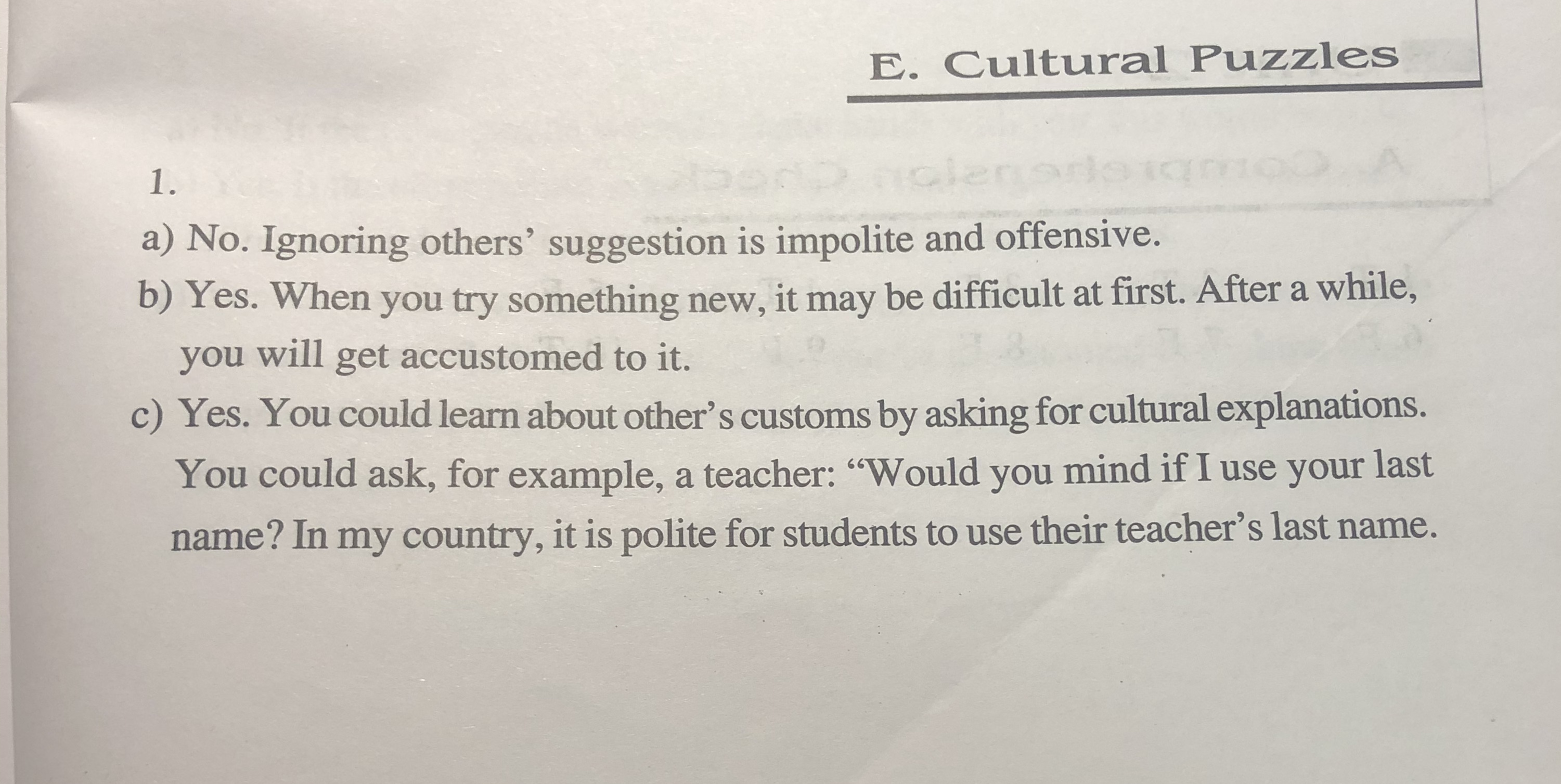
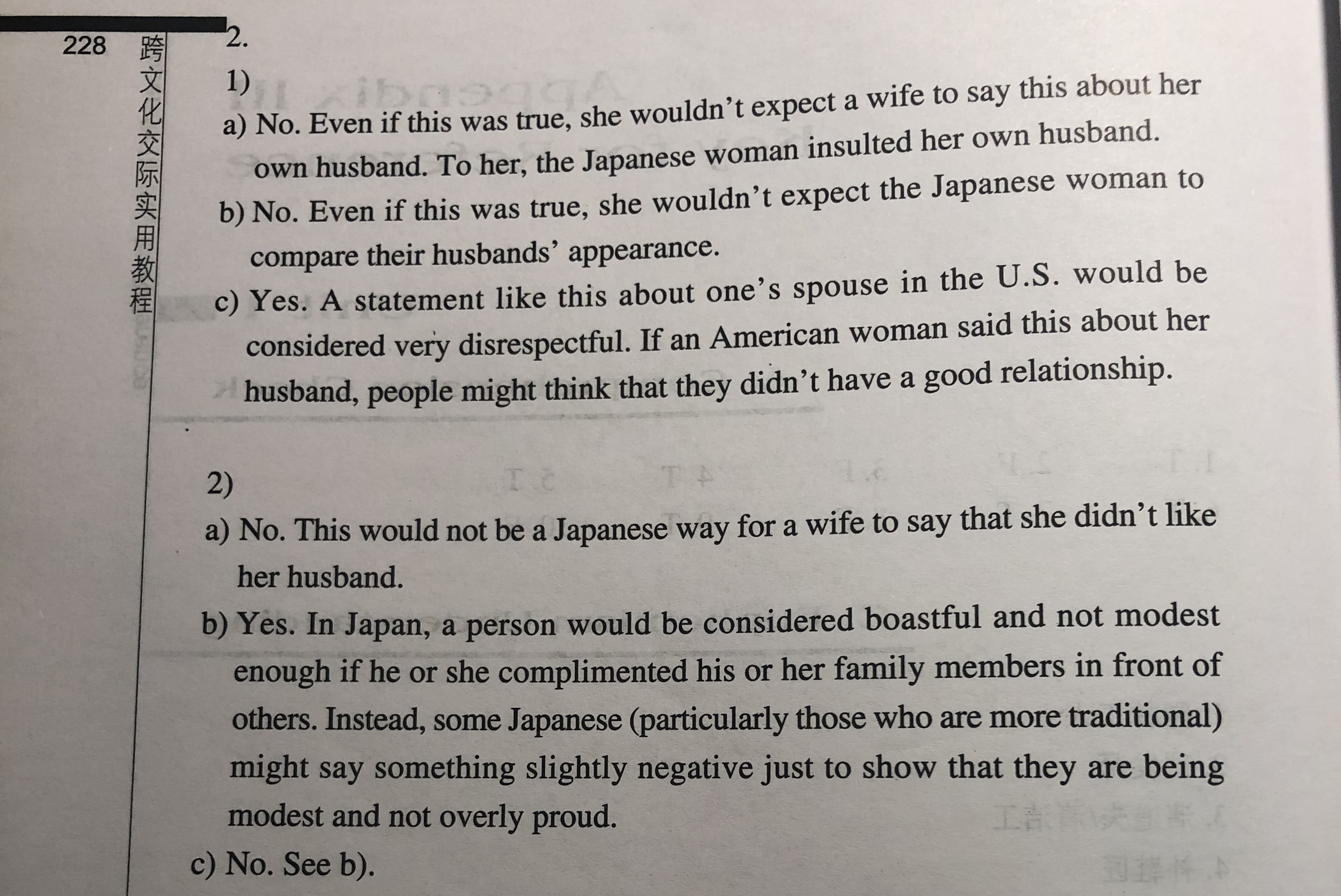
Exercise 2. Cultural Puzzles
1. bc 2. (1) c (2)b
2. Lead-in
Video watching:(同学们通过视频来大概了解一下汉语和英语两种语言)
(请同学们点击下方链接学习)
(1)现代汉语的发展
(2)英语的发展历史
Your Task:
课本内容
因为同学们手中没有课本,所以我们先来了解下第一单元的内容:
本课教材的目录(我们将从以下八个章节来了解中英文化的差异):
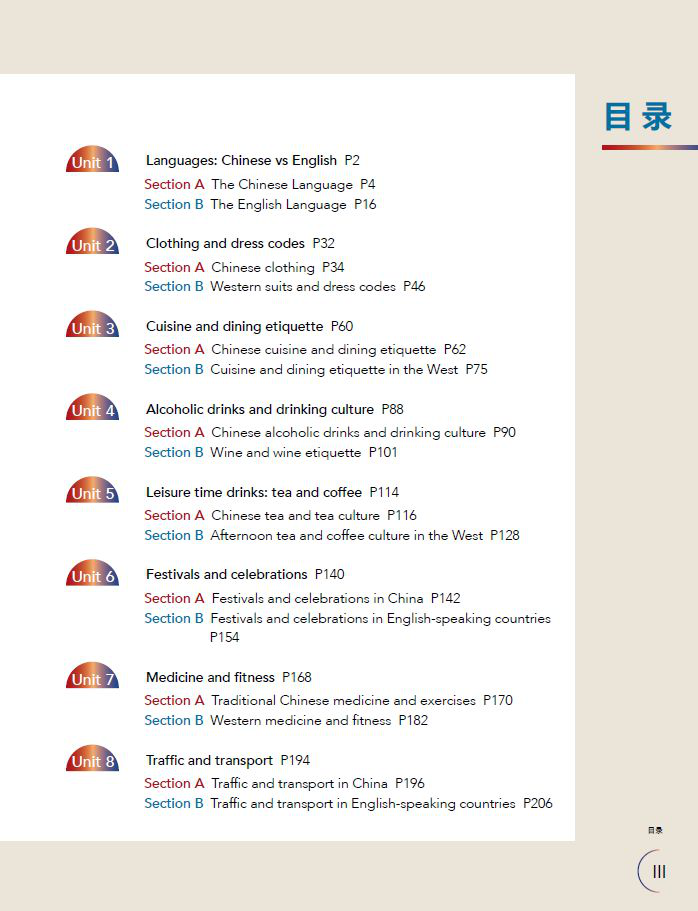
本课教材第一单元:
教学课件
Flipped classroomtask
Task 1: Read Passage 1 and learn the history of Chinese language.
Task 2: Can Chinese become a universal language? Watch the video Tales from China at https://v.youku.com/v_show/id_XNTY1NDYxMjg0.html (5’02’’) to learn something about Chinese Characters, and then read passage 2 to find the formation of written Chinese.
https://v.youku.com/v_show/id_XNTY1NDYxMjg0.html (5’02’’)(视频观看地址)
3. Case Study
Jiang Anshi applied for a job as a computer programmer in a large foreign-owned computing company. Because he was very well qualified in computing and had extensive experience, he thought that he had a very good chance of getting the job. Three people interviewed him. They started out by asking him questions about his qualifications and experience. He answered confidently.
Suddenly, however, one of the interviewers asked him whether he could work in a team. Jiang Anshi was rather surprised at the question but said, “Yes.” He was then asked why he was interested in this particular job. He explained that the job was very suitable for him as he had done similar work before. He also explained that the salary was better than the salary he was currently receiving. Finally, he was asked if he himself had any questions. He did not.
Jiang Anshi left the interview feeling that he had done well. However, he did not get the job and later found out that the successful applicant had less experience than he had.
Analysis:中西方人们对面试的概念有一定区别。西方招聘单位在招聘职员时,更注重你的团队合作精神,对应聘职位的兴趣而不是简历上的一些经验和职业资格证书等,他们认为面试的目的是使招聘单位与应聘人相互了解,招聘职员是双向选择,而不是招聘单位单方面地了解进而选择应聘人员。
4. Vocabulary study
戏剧表演 Theatrical Performances
京剧人物脸谱 types of facial makeup in Beijing opera
生 male characters
末 middle-aged male characters
净 “painted face” characters
旦 female characters
丑 clown
京剧票友 amateur performer of Peking Opera
木偶戏 puppet show
独角戏 monodrama; one-man play
皮影戏 shadow play; leather-silhouette show
折子戏 opera highlights
戏剧小品 skit
哑剧 dumb show; mime; mummery; pantomime
单口相声 monologue comic talk
双口相声 witty dialogue
口技 vocal imitations; ventriloquisim
说书 monologue story-telling
杂技 acrobatic performance
叠罗汉 making a human pyramid
特技 stunt
踩高跷 stilt walk
马戏 circus performances
神化人物 Mythological Figures
八仙 the Eight Immortals
嫦娥 Chang’e (the Chinese moon goddess)
伏羲 Fu Xi (God of Fishery and Husbandry)
福禄寿三星 the three gods of fortune, prosperity and longevity
共工 God of Water
后羿 Houyi (a legendary hero who shot down nine suns)
黄帝 Yellow Emperor
夸父 Kuafu (a fabled sun-chasing giant)
女娲 Goddess of Sky-patching
盘古 Pan Gu (creator of the universe)
神农 Patron of Agriculture
禹 Yu (the reputed founder of the Xia Dynasty)
祝融 God of Fire
5. 课外阅读
请同学们将本节课的词汇学习笔记及课外阅读的学习笔记拍照上传至上方主题讨论区。

