
Sep 12, 2017,08:43am
Rising U.S.Protectionism May Hurt China's Economy And Begin A Trade War
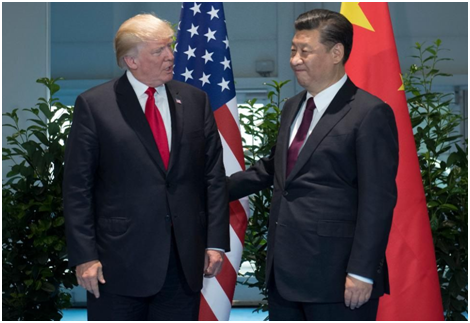
US President Donald Trump and ChinesePresident Xi Jinping (R) pose prior to a meeting on the... [+]
Back in 2016, Donald Trump campaigned on a protectionist platform,promising to place tariffs of up to 45% of Chinese exports to the UnitedStates. While a move that drastic has not materialized, protectionist sentimentis reflected in a newly-launched investigation into Chinese intellectualproperty rights practices and a crackdown on Chinese steel imports. Theprotectionist tide will negatively affect China’s exports and may even inviteretaliation by China against the U.S. It could also damage the gradual progressChina has made in its relatively new free trade zones (FTZs).
U.S. protectionism against China
According to Chad Brown, a senior fellow at the PetersonInstitute for International Economics, the percentage of U.S. imports subjectto special tariffs may rise from 3.8% to 7.4% due to U.S. trade cases againstitems like aluminum imports, Canadian aircraft, and Chinese solar cells. Thisrising protectionist sentiment from the United States will likely negativelyaffect China’s economy. This is because exports account for about 20% ofChina’s GDP, which is a significant proportion, despite China’s calls toincrease domestic consumption. .
Astonishing the international community, President Trump in July rejecteda proposal by the Chinese government to resolve the steel oversupply problem byreducing its steel overcapacity to 150m tons by 2022. Trump hadalready asked the U.S. Department of Commerce to look into whether steel andaluminum imports (mostly from China) are damaging national security. Thisprocess would permit the U.S. to impose additional special tariffs on thesegoods. The U.S also announced last week that it would conduct an anti-dumpingprobe against Chinese and Indian steel flanges in response to investigationsfiled by corporate interests.
Last month, PresidentTrump signed off on an order to determine whether an investigation into the impactof China’s trade policies on intellectual property, innovation, and technologyis warranted. If the investigation is warranted and finds that China’s tradepolicies have harmed U.S. interests, the president can take action throughSection 301 of the Trade Act of 1974 to resolve the issues through tradesanctions or other means.
Negative impact on China
President Xi Jinping has expressed his antipathy toward protectionism,stating at Davos inJanuary that “any attempt to cut off the flow of capital,technologies, products, industries and people between economies, and channelthe waters in the ocean back into isolated lakes and creeks is simply notpossible... Pursuing protectionism is like locking oneself in a dark room.While wind and rain may be kept outside, that dark room will also block lightand air." Xi also said in May at a Beijing summit on theOne Belt One Road initiative that, “we need to seek win-win results throughgreater openness and cooperation, avoid fragmentation, refrain from setting inhibitivethresholds for cooperation or pursuing exclusive arrangements and rejectprotectionism.”
The US is China's largest trading partner, accounting for about 20% ofChina's export market. Protectionism from the U.S. will slow China’s growthfaster than anticipated, as exports from China decline in the face of risingtariffs, lowering GDP. This is likely to, in turn, lead to a trade war betweenthe two countries. China may respond to U.S. tariffs with tariffs on imports ofAmerican goods, effectively raising prices for consumers in both countries andimproving conditions for no one.
China, for its part, continues to protect some industries from trade andforeign investment, but has been gradually opening up for many years. China hascontinued to lower tariff barriers according to its agreement with the WorldTrade Organization. What is more, the State Council released guidelines inJanuary of this year to attract foreign investment to China. These includemeasures to open some sectors, to some extent, to foreign investment in financeand accounting, manufacturing, telecommunications, education, andtransportation. Given U.S. threats against Chinese steel and other sectors,China may decide to halt the process of opening up to American firms.
Damaging to China’s FTZs
U.S. protectionism can also damage China’s free trade zones, of whichChina now has eleven. These special areas were first piloted in 2013 in theShanghai Pilot FTZ. While the zones have been criticized for slow progress onfinancial reform and frequent policy changes, they have in fact opened up totrade over time.
China’s free trade zones have also proven the negative list policy and thefaster company registration process to be quite successful. The negative listis a list of sectors in which foreign investment is not permitted. This list iscontinually shrinking—the latest list, whichbecame effective in July, reduces restrictions in over twenty industries, suchas railway transport equipment and insurance. The faster company registrationprocess in Shanghai, for example, includes one-stop application processing andreduces the minimum capital required.
As U.S. protectionism looms, however, the progress of free trade zonedevelopment, particularly with regard to the ongoing shortening of the negativelist, is in jeopardy. If China is forced into an unwanted trade war with theUnited States, its trade regime will suffer. No one stands to gain from that.

