
Global Strategies of the Supply Chain
(1) Focused Factories
• The idea: by limiting the range and mix of products manufactured in a single location the company can achieve economies of scale.
• The global business will treat the world market as one market.
• It will rationalize its products so that remaining factories produce fewer products in volumes capable of satisfying the entire market.
12.2 Global Strategies of the Supply Chain
(1) 集中化生产
集中生产的理念很简单:通过限制在单一制造点的产品种类和产品组合,企业可以达到相当大的规模经济。全球化企业将整个国际市场视为一体,使产品生产合理化,这样保留下来的工厂生产的产品种类比原来少,但却能满足整个全球市场的需求。
Mars就是这样运作的一个公司,它的策略包括两个方面:一方面至少把一个区域的需求当作一个整体来管理;另一方面按照种类逐个厂地集中生产产品,从而合理化它的产品生产能力,因此它在莫斯科销售的M&M产品很有可能是在美国生产制造的。更具说服力的例子是宝洁公司,它只在两个工厂生产Pringles(品客)薯片产品,却能满足全球的需要。
(2) Centralization of Inventories
• The advent of globalization has encouraged companies to rationalize production into fewer locations.
• Consolidation inventory into fewer locations can substantially reduce inventory requirement.
• organizations have been steadily closing national warehouses and amalgamating them into regional distribution centers serving a much wider geographical area.
(2) 库存的集中化管理
• 全球化在促使企业将它们的产品更合理地分配到更少的制造工厂进行集中生产的同时,也相应地引起了库存集中化这一发展趋势。
• 数据表明,把库存整合到少数各个地方能有效地降低库存需求。利用这一统计结构,许多企业开始逐步关闭面向单个国家的仓库,取而代之的是把库存集中到几个区域配送中心(RDC),而这些配送中心能为更多国家和地区提供服务。
(3) Postponement and Localization
Postponement: seeking to design products using common platforms, components or modules but where the final assembly or customization does not take place until customer requirement is known.
Advantages:
Firstly, inventory can be held at a generic level so that there will be fewer stock-keeping units and hence less inventory in total.
Secondly, because the inventory is generic, its flexibility is greater, meaning that the same components, modules or platforms can be embodied in a variety of end products.
Thirdly, forecasting is easier at the generic level than at the level of the finished item.
The ability to customize products locally means that a higher level of variety may be offered at lower total.
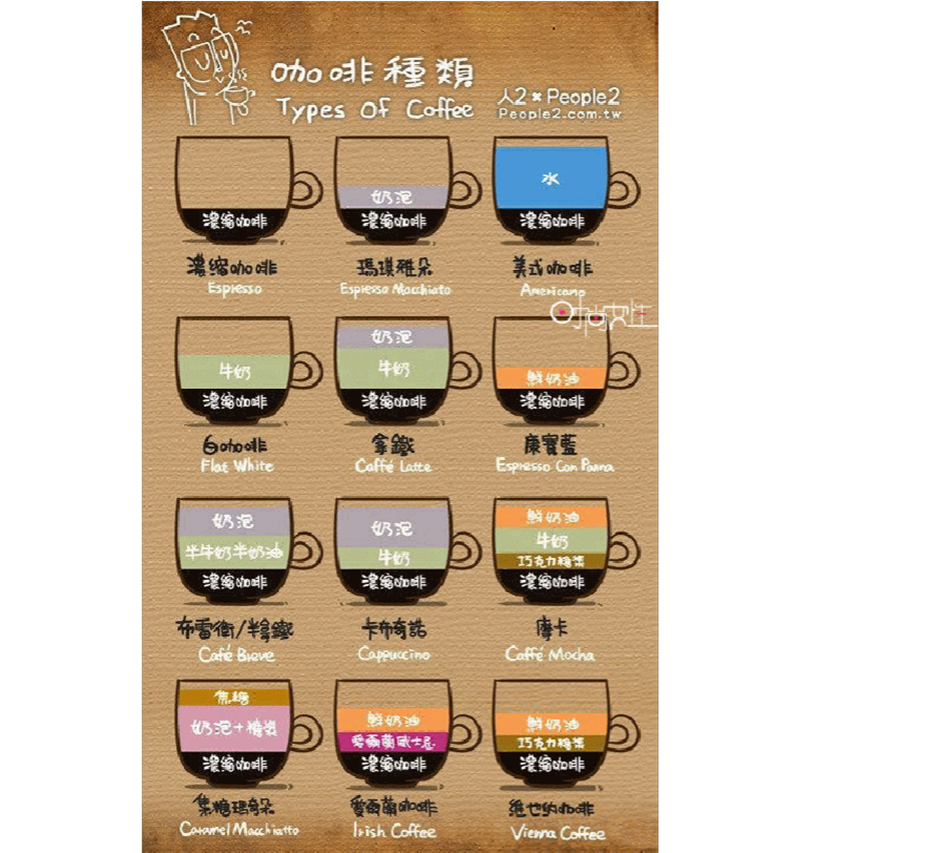
延迟策略正在被越来越多的企业所接受。产品的延迟或者说推迟所依据的原则是:使用统一的平台、零件或模块来进行产品设计,但只有明确最终用户市场或客户需求时,产品的最后组配或定制化加工才得以进行。延迟策略有以下优点:
第一,存储的库存是标准化零件或模块,这就减少了库存品种的数量,总体库存也相应下降。
第二,由于库存零件及模块的标准化,其灵活性有所增强,这意味者相同的零件、模块或瓶体能组配成千变万化的产品种类。
第三,对于初始产品需求的预测比最终产品的预测要容易得多。在全球市场上,对地方性需求的预测远不如对世界范围内的预测准确度高。

