
Objective (教学目的)
• the global trend of Supply Chain理解供应链的全球化趋势
• the global strategies of the Supply Chain理解供应链全球化策略
• how to organize for global logistics知道如何组织国际化物流
Key Points and Difficult Points(重点及难点)
• Key Points(重点):
globalization trend of Supply Chain, global strategies of the Supply Chain, organizing the global logistics
• Difficult Points(难点):
global strategies of the Supply Chain, organizing the global logistics
Vocabulary and Terminology
assembly operation 组装业务,装配作业 (n.)
mass customization 批量定制 mass, mess
emerging economies 新兴经济体
individual market 个别市场
production cost saving 生产成本节约
trade-off 权衡 trade off
trade barrier 贸易壁垒 obstacle, hurdle
focused factories 集中生产
centralized inventories 库存的集中化管理
dysfunctional 功能失调的 dys- 障碍,病态
throughput 生产量,生产能力,吞吐量
postponement 延迟策略 postpone
localization 本土化策略 local
stock keeping unit 库存量单位 SKU
offshore production and sourcing 海外生产和采购
regional distribution center 区域配送中心
centralization 集中化
out-sourcing 业务外包
Vocabulary and Terminology
global co-ordination 全球协调
customer service management 客户服务管理
CRM
Globalization Trend of Supply Chain
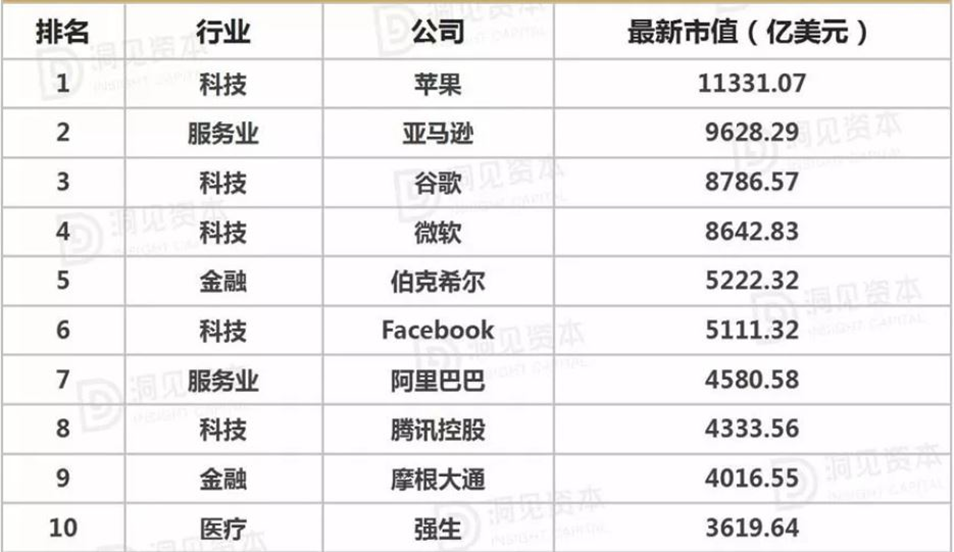
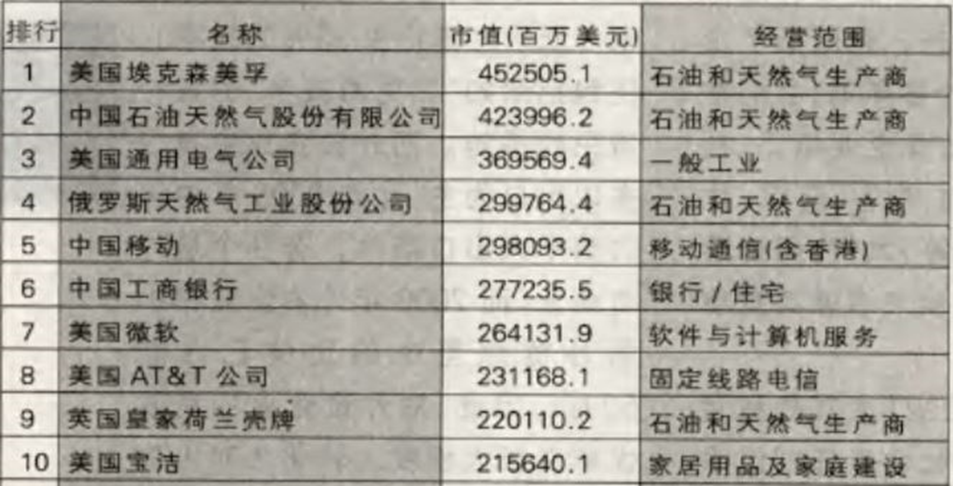
Global brands and companies now dominate most markets. 全球品牌主导
The global company has revised its previously localized focus and now instead will typically source on a worldwide basis for global production. 调整为全球性生产
It seeks to grow business by extending its markets whilst seeking cost reduction through scale economies. 规模经济效益
2018年市值排名
2008年市值排名
Challenges:
1. Requirement for local variation in many product categories 多样化
2. High level of coordination 高度合作
The two challenges are retaliated:
1. offer local markets the variety while gaining the advantages of standardization.
2. manage the links in the global chain
• Total cost trade-off: cost reduction and service needs.
• Trend towards global organization of both manufacturing and marketing.
the current work flow - regional distribution center
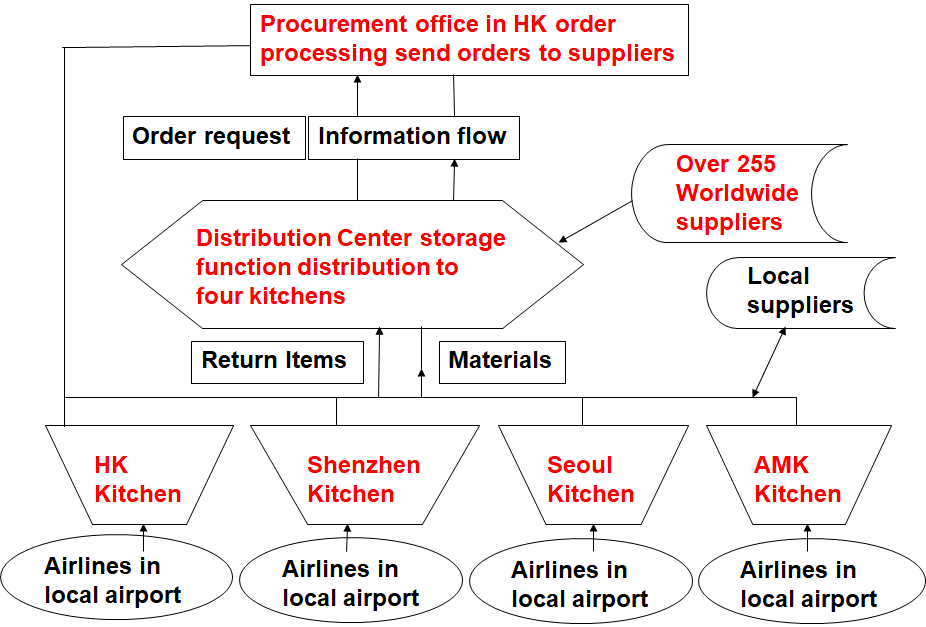
main difference between a DC and a warehouse

目前市场上销售的产品大部分都是一些世界级公司的知名品牌。
全球化企业调整了先前的以区域为中心的战略,不再是在每个独立的国家内部独立生产、销售产品,取而代之的是全球范围内采购、生产、配送。
这些世界级公司的想法简洁明了:力求依靠采购和生产方面的规模经济以及集中化的制造和组装作业来降低成本,同时扩张它的销售市场以壮大其商业规模。

