Soil Mechanics

ZHANG Shuchao

目录

  • 1 Physical properties and engineering classification of soil
    • 1.1 Formation of soil
    • 1.2 Components of soil
    • 1.3 Soil fabric
    • 1.4 Physical features and indexes of soil
    • 1.5 Relative density of cohesionless soil,            consistency of soil and soil compaction
    • 1.6 Soil classification
    • 1.7 Videos
    • 1.8 Chapter Checkpoint
  • 2 Water flow through soil
    • 2.1 Introduction
    • 2.2 Driving potential-total head
    • 2.3 Darcy's law
    • 2.4 Determination of coefficient of permeability
    • 2.5 Two-dimensional flow of water  and flow net
    • 2.6 Effective stress and pore water pressure in soil
    • 2.7 Seepage force and critical hydraulic gradient
    • 2.8 Videos
    • 2.9 Chapter Checkpoint
  • 3 Stress in soil
    • 3.1 Introduction
    • 3.2 Effective overburden pressure in the ground
    • 3.3 Contact pressure between foundation and the ground
    • 3.4 Stress increase in the ground
    • 3.5 Videos
    • 3.6 Chapter Checkpoint
  • 4 Compression and consolidation of soil
    • 4.1 Introduction
    • 4.2 Soil compressibility characteristics
    • 4.3 Calculation formula of soil compression with zero lateral strain
    • 4.4 e-p curve method for foundation settlement calculation
    • 4.5 e-logp curve method for foundation settlement calculation
    • 4.6 Terzaghi's theory of one-dimensional consolidation
    • 4.7 Determination of coefficient of consolidation
    • 4.8 Secondary compression
    • 4.9 Videos
    • 4.10 Chapter Checkpoint
  • 5 Shear strength of soil
    • 5.1 Introduction
    • 5.2 Friction model in Mohr-Coulomb failure criterion
    • 5.3 Shear strength test
    • 5.4 Pore pressure coefficients in triaxial test
    • 5.5 The shear strength characteristics of soil
    • 5.6 Stress path and concept of critical state
    • 5.7 Videos
    • 5.8 Chapter Checkpoint
  • 6 Earth pressure on retaining structures
    • 6.1 Introduction
    • 6.2 Earth Pressure at Rest
    • 6.3 Rankine’s Lateral Pressure
    • 6.4 Coulomb’s Earth Pressure Theory
    • 6.5 Active Thrust on the Bracing Systems of Open Cuts
    • 6.6 Summary and General Comments
    • 6.7 Videos
    • 6.8 Chapter Checkpoint
  • 7 Slope stability
    • 7.1 Introduction
    • 7.2 Slopes in Cohesionless Soil
    • 7.3 Slopes in Cohesive Soil-Total Stress Analysis
    • 7.4 Swedish Method of Slices
    • 7.5 Bishop’s Simplified Method
    • 7.6 Slope Stability in Practical Problems
    • 7.7 Simplified Method for Compound Slip
    • 7.8 Discussion
    • 7.9 Videos
    • 7.10 Chapter Checkpoint
  • 8 Bearing capacity of foundations
    • 8.1 Introduction
    • 8.2 Allowable Bearing Capacity Determined
    • 8.3 Prandtl’s Theory
    • 8.4 Terzaghi’s Soil Bearing Capacity Formulas
    • 8.5 In-situ Bearing Tests
    • 8.6 Code Recommendations for Bearing Capacity
    • 8.7 Factors Influencing Bearing Capacity
    • 8.8 Videos
    • 8.9 Chapter Checkpoint
  • 9 Introduction
    • 9.1 Introduction of the course
    • 9.2 Brief development history
    • 9.3 Engineering definitions of soil
    • 9.4 Importance of soil mechanics
    • 9.5 Basic requirment for learning the course
    • 9.6 Video
  • 10 Lab tests
    • 10.1 Soil classification
    • 10.2 Consolidation test
    • 10.3 Direct shear test
    • 10.4 Test report
    • 10.5 ​Virtual Simulation Test
Importance of soil mechanics

The relationships of superstructure, foundation and ground

Ground: duo to the building of structure, acertain range of soil's stress state changes, which is calledground.

Foundation: infrastructure of building contactswith the ground.

The building consists of two parts, thesuperstructure and foundation.
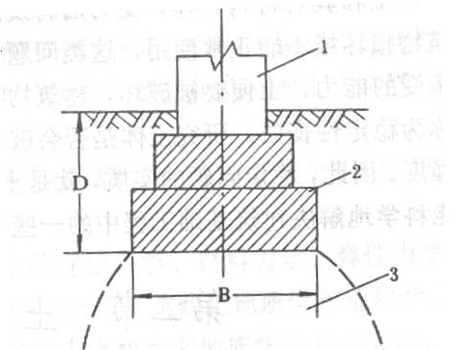


1.superstructure

2.foundation

3.ground


Soil is the most useful materialused in buildings. The wide ground is

vThebasement of the project construction.

vTheground of the buildings.

vTheenvironment of the underground buildings.

vBackfillmaterial of the earthen structures.

So biased understandingof soil's project properties can lead togiant failure.

(1)The leaning reason of the PisaTower.

The half of foundation locates on the soft clay, half of foundation locates on the sand and pebbles,the tower lean due to secondary consolidation.

Tower is 56.7m high. For nearly acentury, the tower has tilted to about 5m,the slope reached 8 degrees.

In1990, the tower stopped opening. According to the annual settlement on the south side of 1.4 mm, calculation showed the tower may collapse to 2003 or 2004.
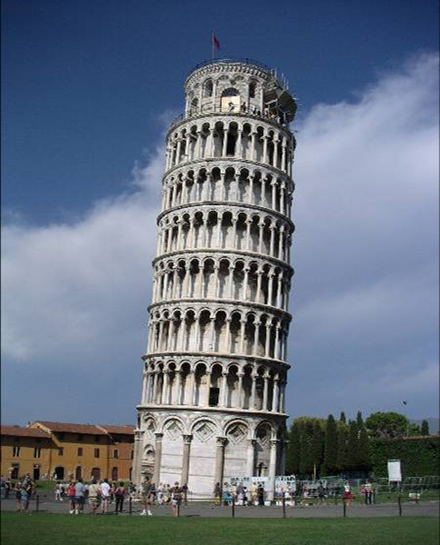

The Leaning Tower of Pisa

(2)Foundationfailure accident of Canada Transcona barn
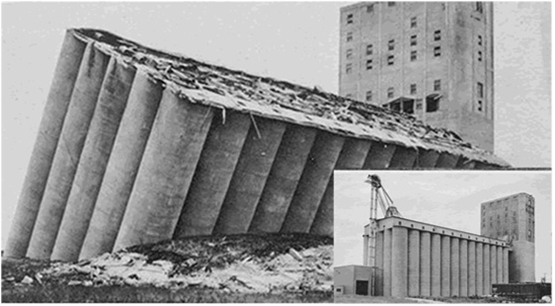


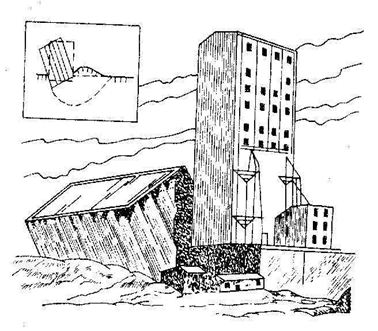
Canada Transcona barn  consists of 65 cylindrical silos, which are 31m high. The bottom surface is 59.4m long, under which is 2m thick reinforcedconcrete raft foundation. The selfweight of the barn is 0.2 million kN. When 0.27 millionkN grain was mounted, it was found the barn was obviously unstable,  The west of barn was sinking 8.8m in 24hours, the elevation of the eastern end rised 1.5m, the overall tilt is 26o53'.

After the investigation and analysis, itwas found that there was a more than 10 meters thicksoft clay stratumunder the foundation. The ultimatebearing capacity of the ground was 251kPa, while the basal pressure of the barnwas more than 300kPa, which caused the whole sliding of the foundation. A partof the soil under the foundation extruded laterally, the eastern end of theground uplifted.

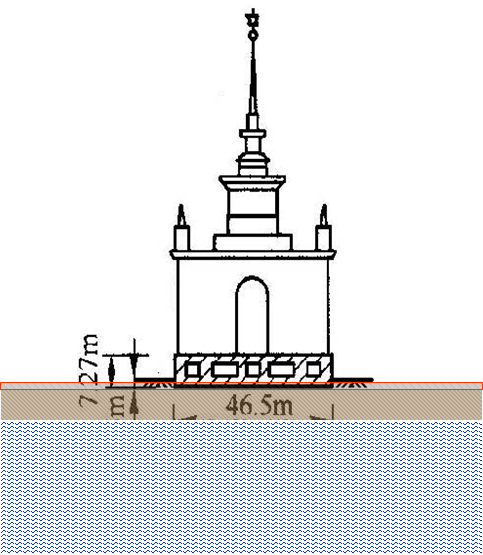
(3) ShanghaiExhibition Center


There is a thick soft substratum under a hard shell layer. The hard shell layer isonly 2-3m thick, so the stress diffusion function is low.

Forsuch a big area foundation, the foundation safety is mainly controlled by softsubstratum , but there was no stress diffusion research on foundation at that time.


(4) A residential building in Shanghai
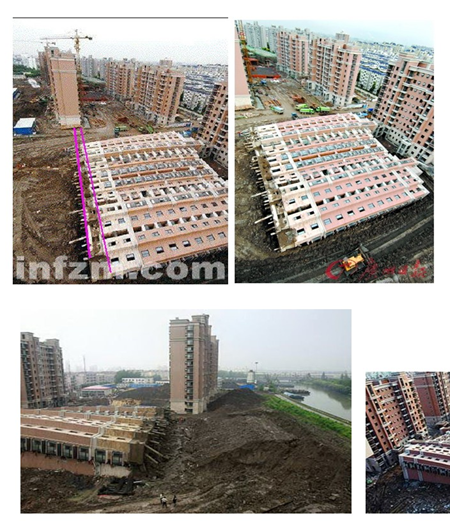


4.5m depth foundation pit was excavated on the south of the building. And the soilwas stacked 10m high up the north side of the building. The weight of stackedsoil generated lateral pressure which was bigger than the resistance of piles.So the building  toppled. This accidentwas caused by the wrong process of construction.

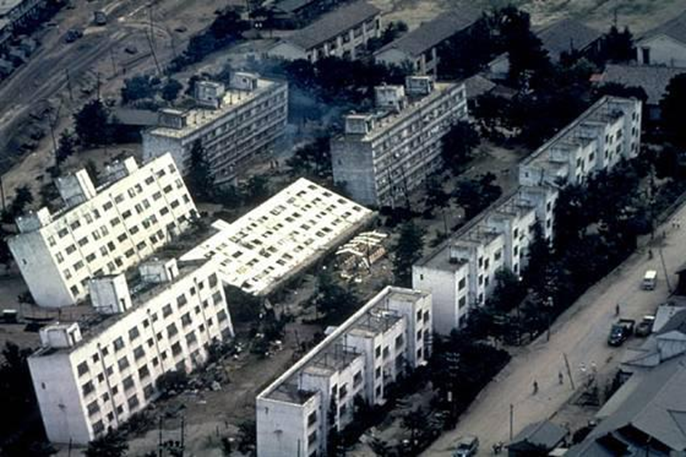
(5) Sand liquefaction


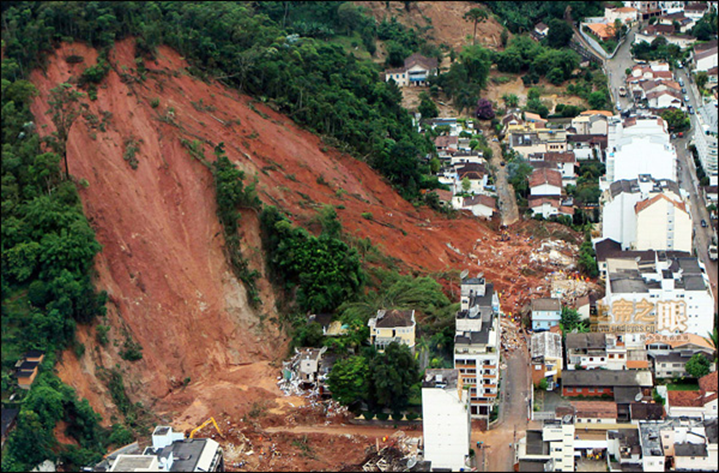
(6) Landslide