3.6 Research Journal Article: Abstract
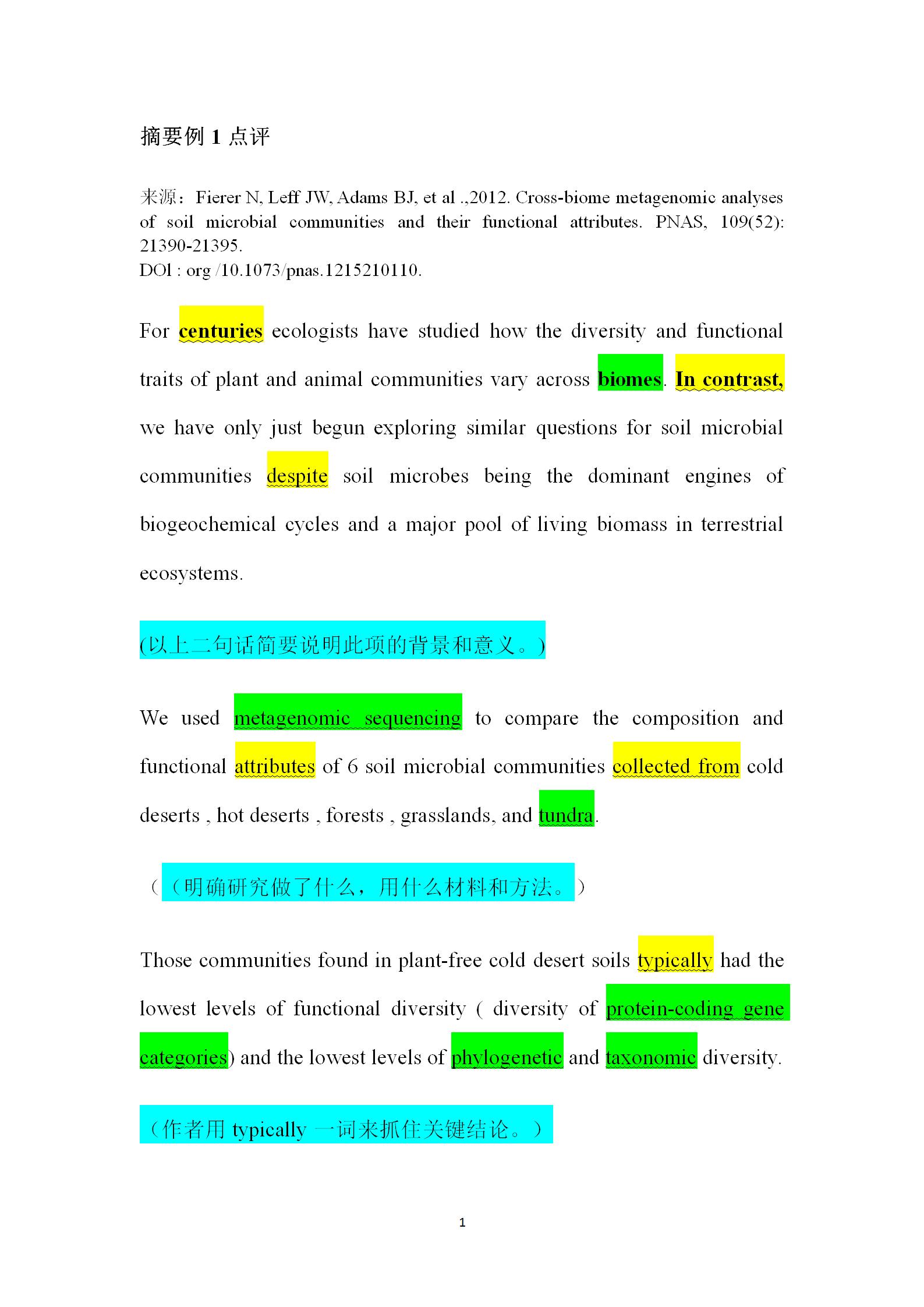
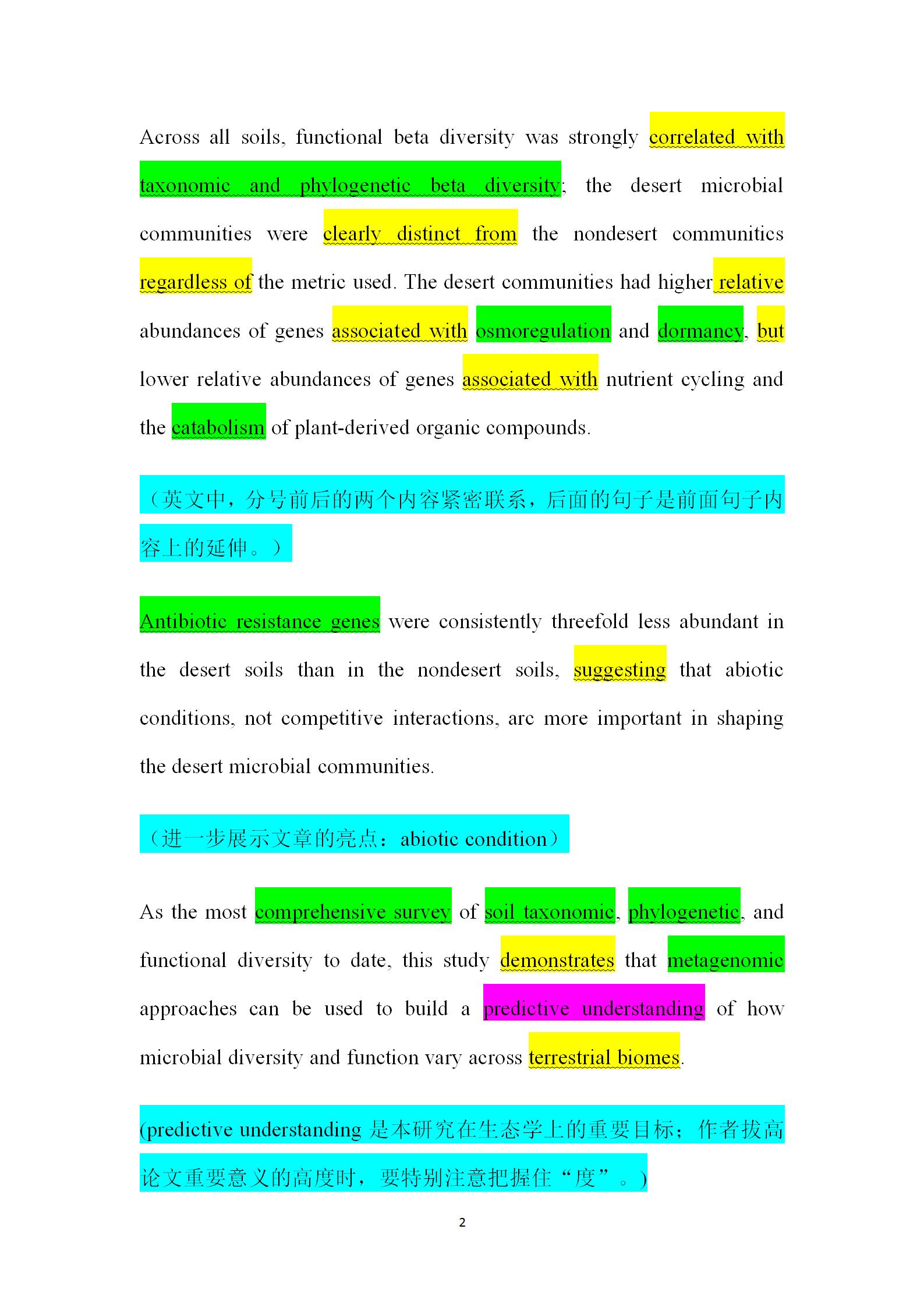
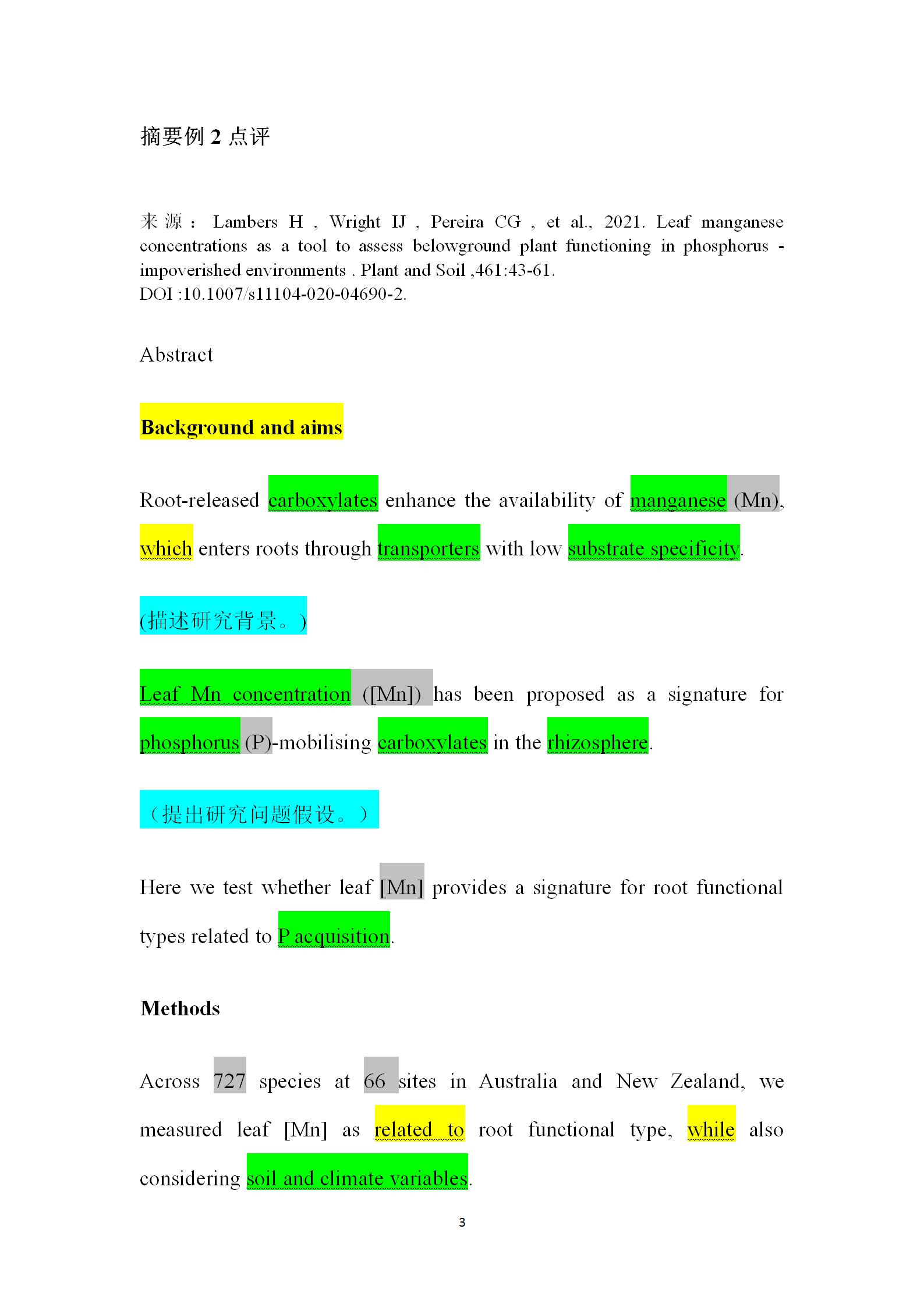
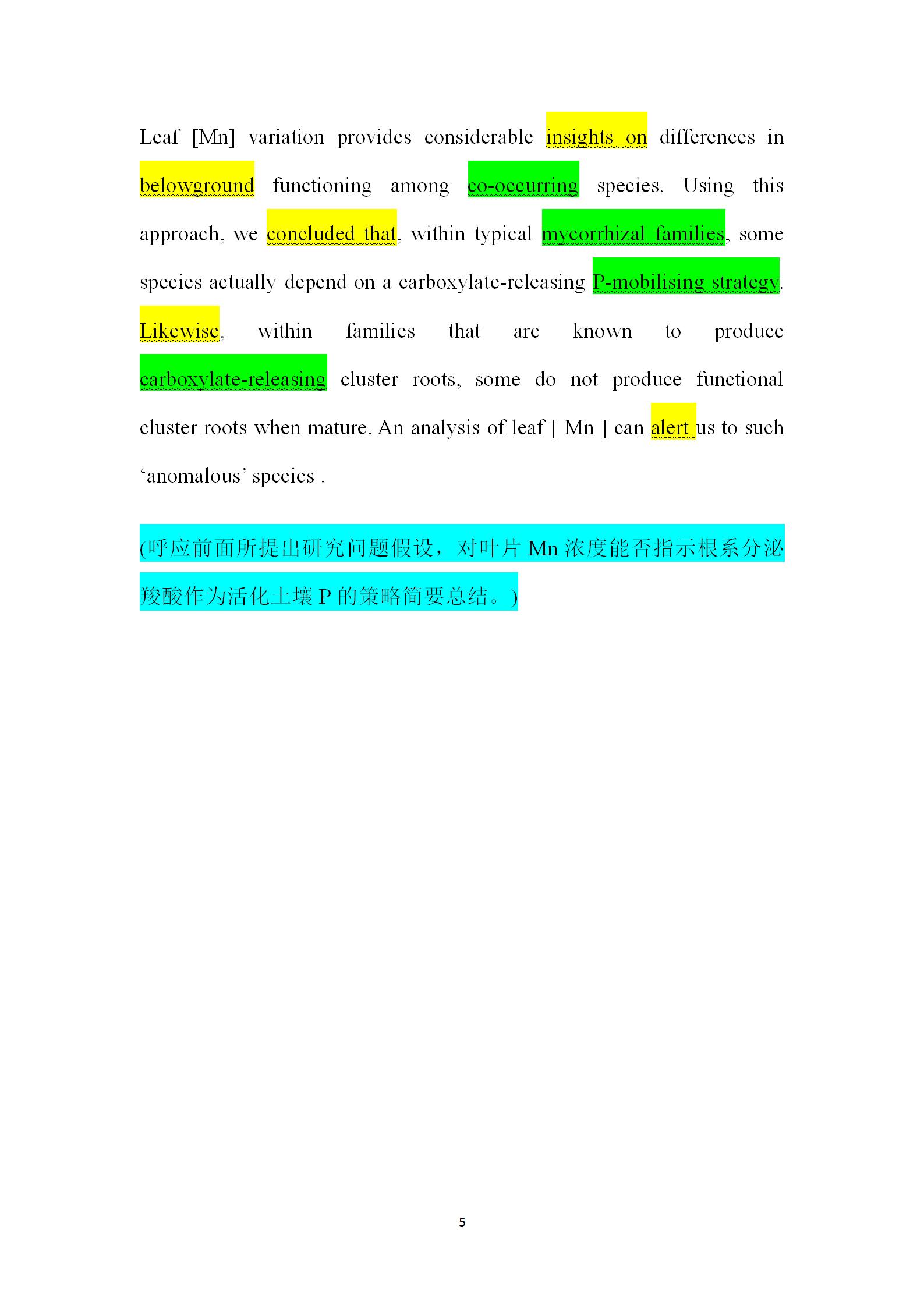
The abstract should give the reader the most important information about your study. After the title, this is the section that is read most often. In fact, many people will read the abstract to decide whether or not to read the entire paper. Therefore, the abstract must convey the essence of your work in merely 120 to 250 words (depending on journal instructions).
7.1 PAIL for the Abstract of your research journal article
P | Entices a colleague to read your paper |
A | Is often someone who has read your title and wants to know whether your paper is worth reading for his/her work |
I | *Explains the purpose and scope of your study *Mentions the approach *Summarizes principal results/conclusions/ significance of work *Does not include references to other work, abbreviations (unless explained when first appear) |
L | *Uses clear and concise expressions *Uses different verb tenses to present different information: Your research activity--past/present perfect tense Findings of study--past tense Generally accepted information and conclusions--present tense, modal |
Here is an exercise (7.2) to test your understanding of the functions of an abstract.
7.2 Exercise: Identify the above information in the following abstract. The sentences have been numbered for reference. Hint: Underline the main verb(s) in each sentence.
(1) Plant developmental processes are controlled by both endogenous programs and environmental signals. (2) To examine the development of the root system, we have studied the HY5 locus of AAA. (3) Our characterization of hy5 mutants revealed that HY5I has PPP effects on the GGG response, tissue differentiation, and root system growth as well as a light-signaling pathway in the hypocotyl. (4) We also cloned the HY5 locus using a T-DNA-tagged mutant. (5) The HY5 gene encodes a protein with a bZIP motif which is likely to play a role in multiple development of the root as a transcriptional regulator. (6) This is the first report showing that a bZIP protein has a great effect plant development.
(111 words)
What kinds of information do the sentences present?
Sentence 1 __________________________________________________
Sentence 2 __________________________________________________
Sentence 3 __________________________________________________
Sentence 4 __________________________________________________
Sentence 5 __________________________________________________
Sentence 6 __________________________________________________
Now examine your own abstract or one from an article that you are using as a reference. How many words does it contain? Underline the main verb(s) in each sentence and then identify the function of each sentence.
EXAMPLES: