3.1 How to write a “good” paper
3.1.1发表科技论文的价值
(1)科技刊物
英国皇家学会的Philosophical Transactions of the Royal Society《皇家学会哲学学报》创刊于1665年3月6日,该刊物是世界上创办最早和发行时间最长的科技刊物。

世界著名的物理学家牛顿在Philosophical Transactions of the Royal Society刊物上发表了17篇论文,为他自1672年开始科学生涯奠定了良好的基础。
该刊物还发表了达尔文、法拉第、麦克斯韦、威廉赫尔、霍金等著名科学家的伟大科学成果。
英国皇家学会是世界上第一个自然科学的学术团体。17世纪时,自然科学被称为自然哲学,这也是Ph D. (哲学博士)的由来。
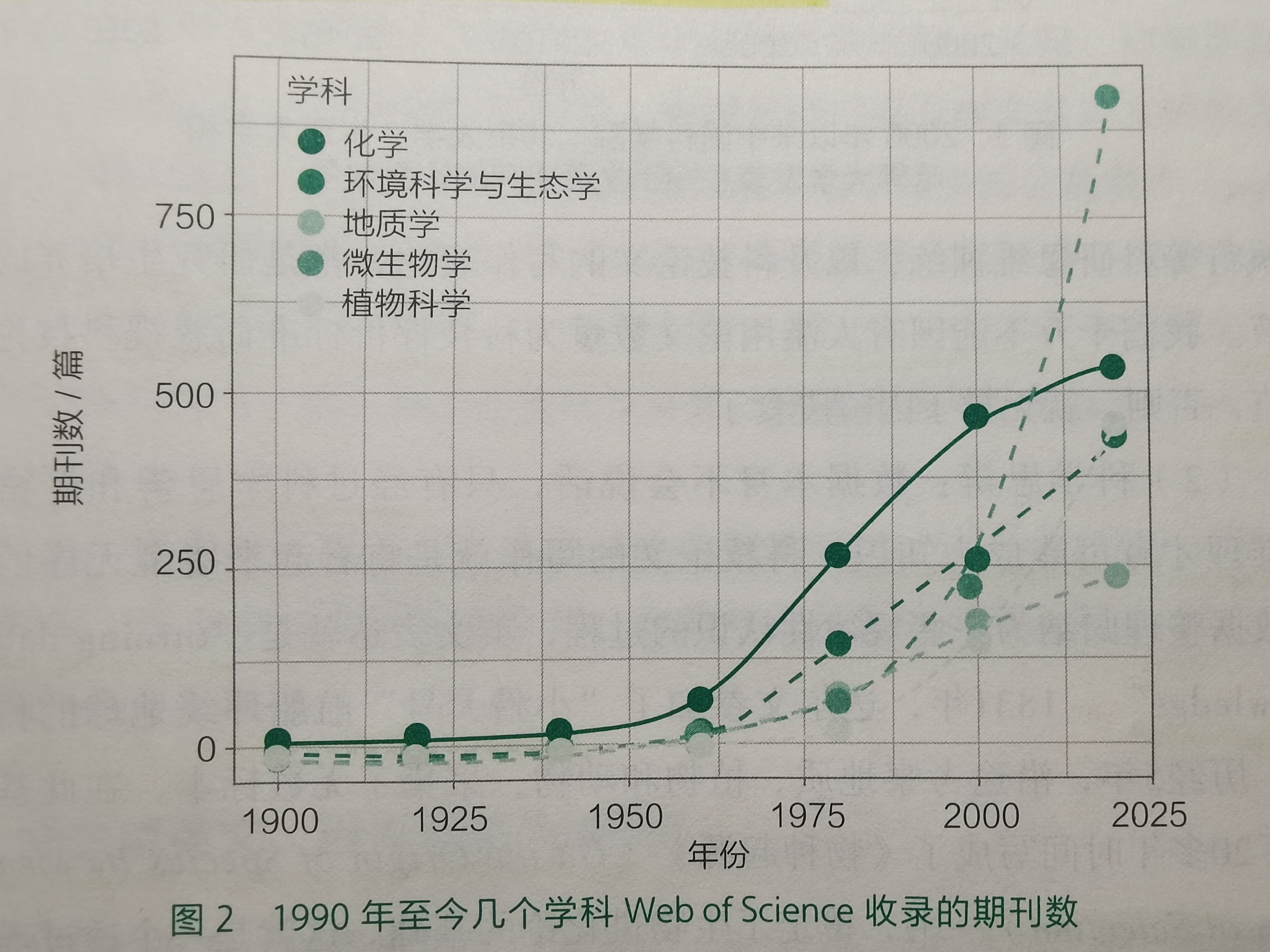
(引自:朱永官、赵方杰主编,英语科技论文写作技巧与实例. 杭州:浙江大学出版社,2022年)
(2)发表科技论文的价值
科学素养:每一篇论文的发表都是或都应该是科学家科学素养得到锻炼和提高的重要过程; 科技论文写作训练对科学研究和未来科学家(研究生)培养至关重要。
科学思辩:科技论文写作用英文来表达就是"turning data into knowledge",也就是说,是将杂乱无序的现象或数据整理归纳为一些规律性认识的过程,是一个透过现象看本质的逻辑推理和思辩过程。
科学声誉:发表高水平论文是科学家提高其科学声誉的重要途径,也是获得国际影响和国际话语权的关键之一。
知识传播:知识传播是促进科技进步和社会进步的重要途径,科技论文是知识传播的重要载体。发表科技论文可以避免更多的重复性研究,有利于资源的高效利用。
发表论文是知识创新的重要一环。
3.1.2 如何写好科技论文
十条简单的法则(Ten simple rules):
美国加利福尼亚大学圣迭戈分校的Philip Bourne教授和他的同事于2005年在Plos Communicational Biology发表的科技论文总结。
Rule 1: Read many papers, and learn from both the good and the bad works of others.
Rule 2: The more objective you can be about your work, the better that work will ultimately become.
Rule 3: Good editors and reviewers will be objective abour your work.
Rule 4: If you do not write well in the Engilish language, take lessons early; it will be invaulable later.
Rule 5: Learn to live with rejection.
Rule 6: The ingredients of good science are obvious-novelty of research topic, comprensive coverage of the relelant literautre, good data including strong statistical support, and a thought provoking discussion. The ingredients of good science reporting are obvious-good organization, the approriate use of tables and figures, the right length, writing to the indended audience-do not ingore the obvious.
Rule 7: Start writing the paper the day you have the idea of what questions to pursue.
Rule 8: Become a reviewer early in your career.
Rule 9: Decide early on where to try to publish your paper.
Rule 10: Quality is everything.
The manuscript you write describing your research for journal publication will be referred to as a paper. In writing your paper, the most important thing is, of course, the research it describes-the work must be worthy of publication.
Here is a checklist of questions to ask yourself.
2.1 Checklist for journal papers before their submission
| 2.1 | 1. Have you chosen a suitable journal for your subject? 2. Is your work new and worthy of publication? 3. Is your title as short and as informative as possible? 4. Have you carefully checked the Information for Authors/Contributors for format and other technical considerations? 5. Does your Abstract include all of the most important information of your work? Have you avoided abbreviations and references which are not completely presented? 6. Have you clearly presented the background of your research and the aim of your study in the Introduction? 7. Does your Materials and Methods/Experimental section include enough detail so that your work can be replicated? 8. Have you clearly described your Results and avoided unnecessary repetition in the Discussion section? Sometimes the Results and Discussion sections are combined but the same points apply. 9. Have you followed the instructions for the reference format for the journal? 10. Have you followed the instructions for the naming of compounds, chemicals, plant names, and other special terms? 11. Have you used the used the abbreviations suggested by the journal? 12. Have you carefully checked the requirements of the journal for the actual submission process? Details can include how many copies, reason for submission in the cover letter, copyright transfer agreement, and electronic submission details. |
As can be seen from the above check list, text-related items are very important. This brings us to the importance of effectively presenting your findings to your discourse community. The value of your research is related to how much effect it can have on this discourse community and perhaps to the human community as a whole. The extent of the effect is related to how well you can communicate in English. If you are not effective, you may receive a notice such as that shown in 2.2.
2.2 Quote from a journal reviewer’s comments on a manuscript:
2.2 | Quote from a journal reviewer’s comments on a manuscript: ...there are still a few problems in presentation of the data and discussion of the results which must be overcome before it is considered for publication. In particular, there are simple errors or awkward expressions in English from place to place. So, I strongly suggest the authors to have a native English speaker read through the manuscript. The following comments are rather minor, but still not negligible. |
What can be done to eliminate these “simple errors and awkward expressions”? The answer is to pay attention to
Organization
Grammar
Word choice
Format
This course will concentrate on how to deal with these features when writing your paper.
讲座题目:英语科技论文写作技巧与实例
讲座人:朱永官 研究员(中国科学院院士)
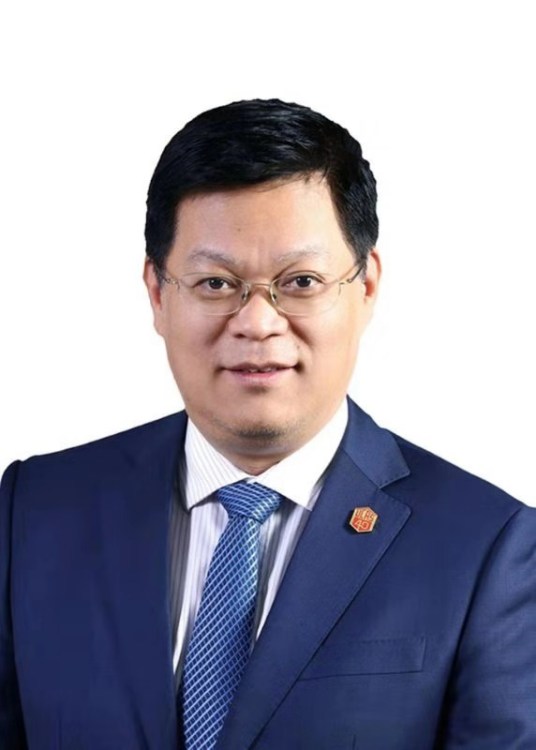
简介:朱永官,男,1967年8月出生于浙江桐乡,生态环境专家,第十四届全国人大环境与资源保护委员会委员,中国科学院院士,发展中国家科学院院士,中国科学院城市环境研究所和中国科学院生态环境研究中心研究员、博士生导师,中国科学院生态环境研究中心主任。
朱永官于1989年从浙江农业大学毕业;1992年获得中国科学院南京土壤研究所理学硕士学位;1998年获得英国帝国理工学院博士学位;2001年入选中国科学院“百人计划”;2002年回国工作,担任中国科学院生态环境研究中心研究员,同年获得国家杰出青年科学基金资助;2004年至2012年担任联合国国际原子能机构中国唯一的科学顾问;2009年至2018年担任中国科学院城市环境研究所所长;2019年当选中国科学院院士;2020年当选发展中国家科学院院士;2022年2月,获国际土壤科学联合会李比希奖,为首位获此殊荣的亚洲科学家。2022年11月8日,凭借作品《食物变迁记》荣获第四届丰子恺散文奖。朱永官长期从事环境土壤学和环境生物学研究 。
现任第十四届全国人大环境与资源保护委员会委员。

