实用综合教程

张丽君/江西/高职/江西卫生职业学院

目录

  • 1 Unit 1 Education
    • 1.1 Warm up
      • 1.1.1 Micro-lesson for background Information
      • 1.1.2 Discussion
    • 1.2 Listening and speaking
    • 1.3 Text A
      • 1.3.1 New words
      • 1.3.2 Micro-lesson for text study
      • 1.3.3 Vocabulary building
      • 1.3.4 Exercises
    • 1.4 Grammar tips
      • 1.4.1 Micro-lesson for Nouns
    • 1.5 Text B
      • 1.5.1 New words
      • 1.5.2 Text study
    • 1.6 comprehension exercises
    • 1.7 Practical reading and  writing
      • 1.7.1 Micro-lesson for Writing a letter
    • 1.8 Learning More
  • 2 Unit 2 Friendship
    • 2.1 Warm Up
      • 2.1.1 Micro-lesson for background information
      • 2.1.2 Discussion
    • 2.2 Listening and Speaking
    • 2.3 Text A
      • 2.3.1 New words
      • 2.3.2 Micro-lesson for text Study
      • 2.3.3 Vocabulary Building
      • 2.3.4 Exercises
    • 2.4 Grammar Tips
      • 2.4.1 Micro-lesson for Pronouns
    • 2.5 Text B
      • 2.5.1 New words
      • 2.5.2 Text study
      • 2.5.3 Micro-lesson for social media
    • 2.6 Comprehensive Exercises
    • 2.7 Practical Reading and Writing
      • 2.7.1 Micro-lesson for writing a personal letter
    • 2.8 Learning more
  • 3 Unit 3 Gifts
    • 3.1 Warm Up
      • 3.1.1 Micro-lesson for background Information
      • 3.1.2 Discussion
    • 3.2 Listening and Speaking
    • 3.3 Text A
      • 3.3.1 New words
      • 3.3.2 Micro-lesson for text study
      • 3.3.3 Vocabulary Building
      • 3.3.4 Exercises
    • 3.4 Grammar Tips
      • 3.4.1 Micro-lesson for grammar
    • 3.5 Text B
      • 3.5.1 New words
      • 3.5.2 Text Study
      • 3.5.3 Micro-lesson for retelling a story
    • 3.6 Comprehensive Exercises
    • 3.7 Practical Reading and Writing
      • 3.7.1 Micro lesson for writing
    • 3.8 Learning more
  • 4 Unit 4 Movies
    • 4.1 Warm Up
      • 4.1.1 Micro-lesson for background information
      • 4.1.2 discussion
    • 4.2 Listening and Speaking
    • 4.3 Text A
      • 4.3.1 New words
      • 4.3.2 Micro-lesson for text study
      • 4.3.3 Vocabulary Building
      • 4.3.4 Exercises
    • 4.4 Grammar Tips
      • 4.4.1 Micro-lesson for grammar
    • 4.5 Text B
      • 4.5.1 New words
      • 4.5.2 Text study
      • 4.5.3 Micro-lesson for Bruce Lee
    • 4.6 Comprehensive Exercises
    • 4.7 Practical Reading and Writing
      • 4.7.1 Micro-lesson for writing
    • 4.8 Learning more
  • 5 UNIT 5 Our Earth
    • 5.1 Warm up
      • 5.1.1 Micro-lesson for background Information
      • 5.1.2 Discussion
    • 5.2 Listening and speaking
    • 5.3 Text A
      • 5.3.1 New words
      • 5.3.2 Micro-lesson for text study
      • 5.3.3 vocabulary building
      • 5.3.4 Exercises
    • 5.4 Grammar tips
      • 5.4.1 Prepositions
      • 5.4.2 Micro-lesson for prepositions
    • 5.5 Text B
      • 5.5.1 New words
      • 5.5.2 Text study
    • 5.6 Comprehension exercises
    • 5.7 Practical reading ans writing
    • 5.8 Micro-lesson for writing
    • 5.9 Learning More
  • 6 UNIT 6 Part time job
    • 6.1 Warm up
      • 6.1.1 Micro-lesson for background Information
      • 6.1.2 Discussion
    • 6.2 Listening and speaking
      • 6.2.1 Listening exercises explanation
    • 6.3 Text A
      • 6.3.1 New Words
      • 6.3.2 Micro-lesson for text Study
      • 6.3.3 Vocabulary Building
        • 6.3.3.1 Active words explanation
      • 6.3.4 Exercises
    • 6.4 Grammar tips
      • 6.4.1 Present Indefinite tense complementary video
      • 6.4.2 Past Indefinite tense complementary video
      • 6.4.3 Future Indefinite tense complementary video
      • 6.4.4 Grammar Exercises
    • 6.5 Text B
      • 6.5.1 New Words
      • 6.5.2 Text Study
    • 6.6 Comprehensive Exercises
    • 6.7 Practical Reading and Writing
      • 6.7.1 Micro-lesson for writing diary
    • 6.8 Learning more
  • 7 UNIT 7 Health
    • 7.1 Warm-up
      • 7.1.1 Micro- lesson for Background information
      • 7.1.2 Discussion
    • 7.2 Listening and Speaking
    • 7.3 Text A
      • 7.3.1 New Words
      • 7.3.2 Text Study
      • 7.3.3 Vocabulary building
        • 7.3.3.1 Vocabulary Exercises
        • 7.3.3.2 Explanations for vocabulary exercises
    • 7.4 Grammar tips
      • 7.4.1 Micro-lesson for grammar
      • 7.4.2 Explanations for grammar exercises
    • 7.5 Text B
      • 7.5.1 New words
      • 7.5.2 Text study
    • 7.6 Practical Reading and Writing
      • 7.6.1 Micro-lesson for writing
    • 7.7 Comprehensive Exercises
    • 7.8 Leaning more
  • 8 UNIT8 Festivals
    • 8.1 Warm-up
      • 8.1.1 Micro-lesson for background information
    • 8.2 Listening and Speaking
    • 8.3 Text A
      • 8.3.1 New Words
      • 8.3.2 Micro-lesson for text Study
      • 8.3.3 Vocabulary Building
    • 8.4 Grammar Tips
      • 8.4.1 Micro-lesson for grammar
      • 8.4.2 Exercises for grammar
    • 8.5 Text B
      • 8.5.1 New Words
      • 8.5.2 Text Study
    • 8.6 Comprehensive Exercises
    • 8.7 Practical Reading and Writing
      • 8.7.1 Micro-lesson for writing cards
    • 8.8 Learning more
Warm up

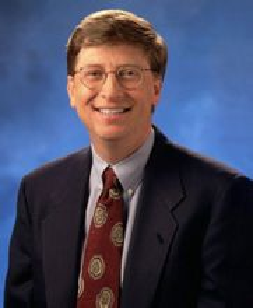
1. Bill Gates

● Gates was born in 1955, in Seattle, Washington.

● Gates attended the private Lakeside School. There, he discovered his interest in software and began programming computers at age 13. 

● Gates went off to Harvard University in 1973 with the original intention of becoming a math professor. It was during his Harvard days that he and his friend developed BASIC (Beginner’s All-purpose Symbolic Instruction Code), the programming language for the first microcomputer. 

2. Harvard

Harvard University, founded in 1636, is America’s oldest institution of higher learning. The university was named after its first benefactor, John Harvard of Charlestown. Since its founding, the university has grown from nine students with a single master to an enrollment of more than 18,000 degree candidates, including undergraduates and graduate students in 10 principal academic units. An additional 13,000 students are enrolled in one or more courses in the Harvard Extension School. 

谈谈教育的重要性 The Importance of Education

 Why is education Important?

为什么教育很重要?

  With the development of today's technology, education becomes more important than before because people need to learn more to adapt the society.Education enables people to understand the world better and have a good job in the futrue.Moreover ,it also hao an impact on people's behavior.

随着今天的科技的发展,教育变得比以前更重要,因为人们需要学习更多的知识来适应社会。教育能够使人们更好地了解世界,在未来找到一份很好的工作。此外,它还对人们的行为有一定的影响。

  First of all, education improves people's learning ability that makes them know more about the world.Most things taught in schools are the basic skills or means to further understsnding of our society .Only by learning these,can human have an opportunity to study more and know more about the society .Secondly, opportunities are often given to someone who is good educated .Employers tend to believe that people have high education are intelligent and they can manage their jod and adapt the working environment quickly.That is why the educated people always get a good job. Thirdly, the more people learn the more modest and polite they act.Learned people think that they are not good enough ,so they show a big patience to learn from everything .They often try to figure out the solution of problems by things they meet or learn.

首先,教育提高了人们的学习能力,使他们更多地了解世界。大部分在学校里学的知识都是进一步了解社会的基本技能和手段。只有通过学习这些,人们才可以拥有更加的学习和了解这个社会的机会。其次,机会往往是留给受过良好教育的人的。招聘者倾向于相信学历高的人是聪明的,而且他们能够处理好自己的工作并迅速适应工作环境。这就是为什么受过教育的人,总是能得到一份好工作的原因。第三,一个人学习的知识越多,他就会表现得越谦虚,礼貌。有学问的人可能会认为自己学得不够好,所以他们会以最大的耐心来学习。他们经常通过他们学过或者见过的知识试图找出问题的解决方案。

  In sum,education can turn people out with better learning skills,job offering and good behavior,so I think education is important to people to fulfill their goals and live a easy life .

总之,教育可以使人学到更好的技能,提供工作表现良好,所以我认为教育对于实现自己的目标以及过上安逸的生活是很重要的。