
实用综合教程

张丽君/江西/高职/江西卫生职业学院

目录

  • 1 Unit 1 Education
    • 1.1 Warm up
      • 1.1.1 Micro-lesson for background Information
      • 1.1.2 Discussion
    • 1.2 Listening and speaking
    • 1.3 Text A
      • 1.3.1 New words
      • 1.3.2 Micro-lesson for text study
      • 1.3.3 Vocabulary building
      • 1.3.4 Exercises
    • 1.4 Grammar tips
      • 1.4.1 Micro-lesson for Nouns
    • 1.5 Text B
      • 1.5.1 New words
      • 1.5.2 Text study
    • 1.6 comprehension exercises
    • 1.7 Practical reading and  writing
      • 1.7.1 Micro-lesson for Writing a letter
    • 1.8 Learning More
  • 2 Unit 2 Friendship
    • 2.1 Warm Up
      • 2.1.1 Micro-lesson for background information
      • 2.1.2 Discussion
    • 2.2 Listening and Speaking
    • 2.3 Text A
      • 2.3.1 New words
      • 2.3.2 Micro-lesson for text Study
      • 2.3.3 Vocabulary Building
      • 2.3.4 Exercises
    • 2.4 Grammar Tips
      • 2.4.1 Micro-lesson for Pronouns
    • 2.5 Text B
      • 2.5.1 New words
      • 2.5.2 Text study
      • 2.5.3 Micro-lesson for social media
    • 2.6 Comprehensive Exercises
    • 2.7 Practical Reading and Writing
      • 2.7.1 Micro-lesson for writing a personal letter
    • 2.8 Learning more
  • 3 Unit 3 Gifts
    • 3.1 Warm Up
      • 3.1.1 Micro-lesson for background Information
      • 3.1.2 Discussion
    • 3.2 Listening and Speaking
    • 3.3 Text A
      • 3.3.1 New words
      • 3.3.2 Micro-lesson for text study
      • 3.3.3 Vocabulary Building
      • 3.3.4 Exercises
    • 3.4 Grammar Tips
      • 3.4.1 Micro-lesson for grammar
    • 3.5 Text B
      • 3.5.1 New words
      • 3.5.2 Text Study
      • 3.5.3 Micro-lesson for retelling a story
    • 3.6 Comprehensive Exercises
    • 3.7 Practical Reading and Writing
      • 3.7.1 Micro lesson for writing
    • 3.8 Learning more
  • 4 Unit 4 Movies
    • 4.1 Warm Up
      • 4.1.1 Micro-lesson for background information
      • 4.1.2 discussion
    • 4.2 Listening and Speaking
    • 4.3 Text A
      • 4.3.1 New words
      • 4.3.2 Micro-lesson for text study
      • 4.3.3 Vocabulary Building
      • 4.3.4 Exercises
    • 4.4 Grammar Tips
      • 4.4.1 Micro-lesson for grammar
    • 4.5 Text B
      • 4.5.1 New words
      • 4.5.2 Text study
      • 4.5.3 Micro-lesson for Bruce Lee
    • 4.6 Comprehensive Exercises
    • 4.7 Practical Reading and Writing
      • 4.7.1 Micro-lesson for writing
    • 4.8 Learning more
  • 5 UNIT 5 Our Earth
    • 5.1 Warm up
      • 5.1.1 Micro-lesson for background Information
      • 5.1.2 Discussion
    • 5.2 Listening and speaking
    • 5.3 Text A
      • 5.3.1 New words
      • 5.3.2 Micro-lesson for text study
      • 5.3.3 vocabulary building
      • 5.3.4 Exercises
    • 5.4 Grammar tips
      • 5.4.1 Prepositions
      • 5.4.2 Micro-lesson for prepositions
    • 5.5 Text B
      • 5.5.1 New words
      • 5.5.2 Text study
    • 5.6 Comprehension exercises
    • 5.7 Practical reading ans writing
    • 5.8 Micro-lesson for writing
    • 5.9 Learning More
  • 6 UNIT 6 Part time job
    • 6.1 Warm up
      • 6.1.1 Micro-lesson for background Information
      • 6.1.2 Discussion
    • 6.2 Listening and speaking
      • 6.2.1 Listening exercises explanation
    • 6.3 Text A
      • 6.3.1 New Words
      • 6.3.2 Micro-lesson for text Study
      • 6.3.3 Vocabulary Building
        • 6.3.3.1 Active words explanation
      • 6.3.4 Exercises
    • 6.4 Grammar tips
      • 6.4.1 Present Indefinite tense complementary video
      • 6.4.2 Past Indefinite tense complementary video
      • 6.4.3 Future Indefinite tense complementary video
      • 6.4.4 Grammar Exercises
    • 6.5 Text B
      • 6.5.1 New Words
      • 6.5.2 Text Study
    • 6.6 Comprehensive Exercises
    • 6.7 Practical Reading and Writing
      • 6.7.1 Micro-lesson for writing diary
    • 6.8 Learning more
  • 7 UNIT 7 Health
    • 7.1 Warm-up
      • 7.1.1 Micro- lesson for Background information
      • 7.1.2 Discussion
    • 7.2 Listening and Speaking
    • 7.3 Text A
      • 7.3.1 New Words
      • 7.3.2 Text Study
      • 7.3.3 Vocabulary building
        • 7.3.3.1 Vocabulary Exercises
        • 7.3.3.2 Explanations for vocabulary exercises
    • 7.4 Grammar tips
      • 7.4.1 Micro-lesson for grammar
      • 7.4.2 Explanations for grammar exercises
    • 7.5 Text B
      • 7.5.1 New words
      • 7.5.2 Text study
    • 7.6 Practical Reading and Writing
      • 7.6.1 Micro-lesson for writing
    • 7.7 Comprehensive Exercises
    • 7.8 Leaning more
  • 8 UNIT8 Festivals
    • 8.1 Warm-up
      • 8.1.1 Micro-lesson for background information
    • 8.2 Listening and Speaking
    • 8.3 Text A
      • 8.3.1 New Words
      • 8.3.2 Micro-lesson for text Study
      • 8.3.3 Vocabulary Building
    • 8.4 Grammar Tips
      • 8.4.1 Micro-lesson for grammar
      • 8.4.2 Exercises for grammar
    • 8.5 Text B
      • 8.5.1 New Words
      • 8.5.2 Text Study
    • 8.6 Comprehensive Exercises
    • 8.7 Practical Reading and Writing
      • 8.7.1 Micro-lesson for writing cards
    • 8.8 Learning more
Warm-up

1. Christmas: Christmas, set on Dec. 25th, is historically a religious festival which celebrates the birth of Jesus Christ, but nowadays it has become a non-religious holiday. Generally the holiday starts from the night before, Christmas Eve, and may last until New Year’s Day. The majority of Americans celebrate Christmas with the exchange of gifts and greetings and with family visits. 

American homes are decorated with holly and mistletoe, and most have a Christmas tree hung with electric lights, tinsel, baubles, and strings of popcorn and candy canes. The children expect Father Christmas (Santa Claus) to bring them presents on Christmas Eve. Christmas is a time for eating and drinking too, and dinner usually includes roast turkey, goose, duck or ham served with cranberry sauce, plum pudding or pumpkin pie followed by nuts and fruit.
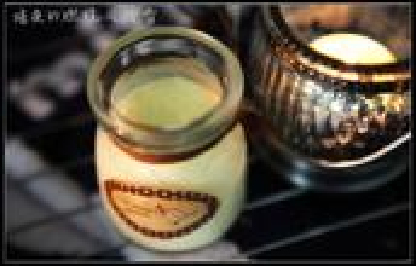
2. Flaming Pudding: Pudding is a traditional dessert for Christmas dinner, which usually combines sugar, milk, flour, and plums. When the pudding is made, people may pour hot rum or whiskey around the pudding and ignite it, making it flaming pudding.

Hints:

Christmas is on December 25th, but the Christmas holiday usually starts from the night before — Christmas Eve — and lasts one or two weeks.

Special things: well-decorated Christmas trees; Father Christmas (Santa Claus)

Special foods: roast turkey, plum pudding, pumpkin pie