“少学琴书,偶爱闲静,开卷有得,便欣然忘食。”出自晋陶渊明的《与子俨等疏》,意在鼓励人们多读书,读好书。比较名人西塞罗的名言 "A room without books is like a body without a soul" 。请同学们思考一下:陶渊明,西塞罗,谁的话语更契合我们二单元的英语标题 A Good Read 所反映的主题呢?让我们跟随Janet从Charles Dickens开始来一场说走就走的英国文学、文化之旅。
Marcus Tullius Cicero(西塞罗), a Roman philosopher, statesman, orator, and political theorist, was born on January 3, 106 B.C. and was murdered on December 7, 43 B.C. His life coincided with the decline and fall of the Roman Republic, and he was an important actor in many of the significant political events of his time, and his writings are now a valuable source of information to us about those events. He was, among other things, an orator, lawyer, politician, and philosopher. Making sense of his writings and understanding his philosophy requires us to keep that in mind. He placed politics above philosophical study; the latter was valuable in its own right but was even more valuable as the means to more effective political action. The only periods of his life in which he wrote philosophical works were the times he was forcibly prevented from taking part in politics.While Cicero is currently not considered an exceptional thinker, largely on the (incorrect) grounds that his philosophy is derivative and unoriginal, in previous centuries he was considered one of the great philosophers of the ancient era, and he was widely read well into the 19th century. Probably the most notable example of his influence is St. Augustine’s claim that it was Cicero’s Hortensius (an exhortation to philosophy, the text of which is unfortunately lost) that turned him away from his sinful life and towards philosophy and ultimately to God. Augustine later adopted Cicero’s definition of a commonwealth and used it in his argument that Christianity was not responsible for the destruction of Rome by the barbarians.
(Reference: https://www.iep.utm.edu/cicero/)
Cultural Notes
1. Charles Dickens (1812-1870) is one of the best-known British writers of the 19th century. Most of his books are set in London and portray the poverty and living conditions of working-class people in an era of rapid industrialization and social change.
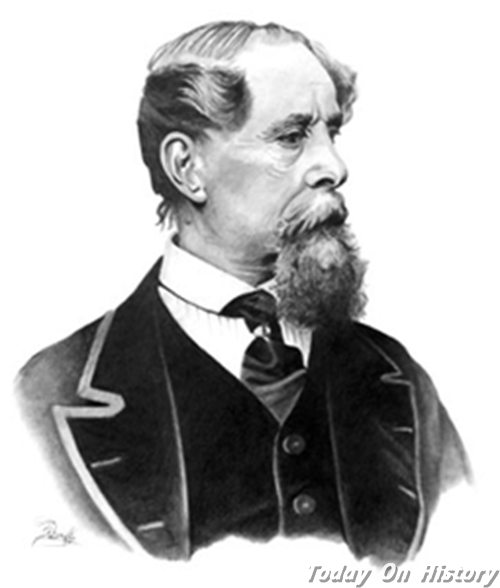
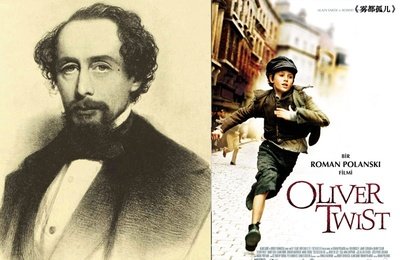
Many of his books are classics, including Oliver Twist, a story about a boy who is born into poverty in a work house (济贫院) and gets involved with a gang of pickpockets.
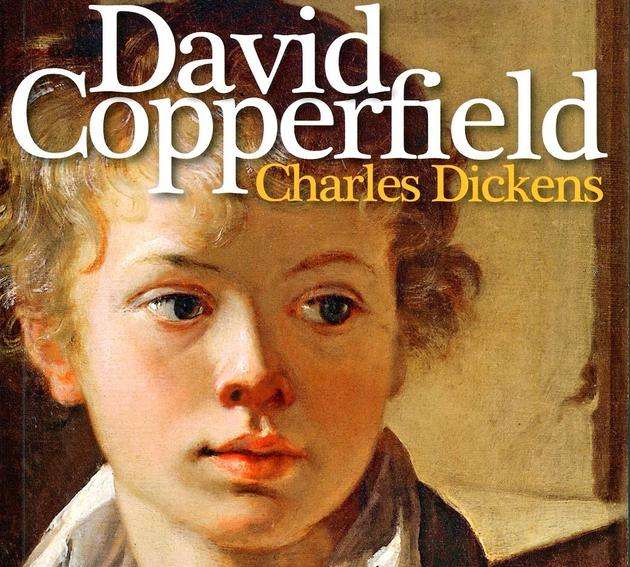
David Copperfield, a story about a young boy who is sent away by his stepfather to work in a factory, but later succeeds in gaining an education and attaining some social standing, and containing many memorable characters such as the subservient (低声下气的) and crafty (狡猾的) Uriah Heep and the eternally optimistic Mr.Micawber.
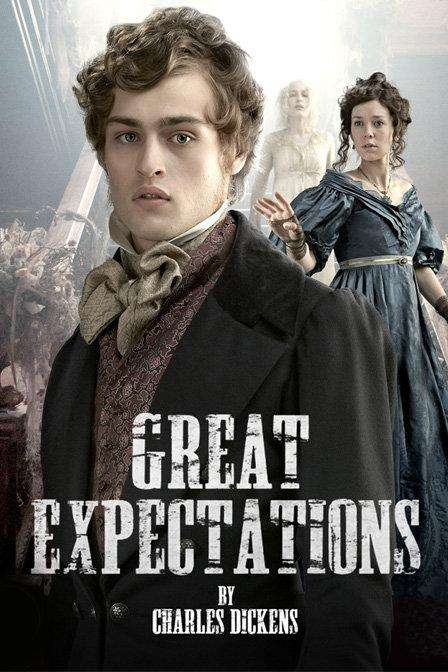
Great Expectations, the tale of an orphan who comes into a great fortune, unaware that the money has in fact come from an escaped criminal whom he had helped when he was younger by getting food for him. Dicken’s books are routinely made into films, TV programs, and plays, and are often studied in school.
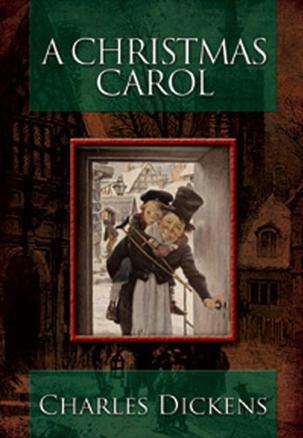
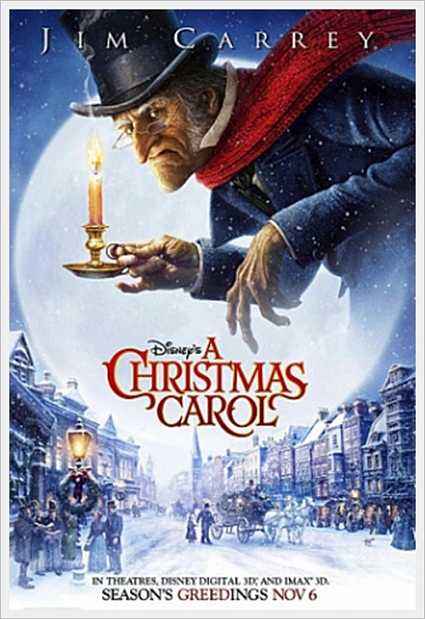
The Christmas Carol (1843) by Charles Dickens helped establish the Victorian Christmas. Eating turkey, Christmas pudding, and singing carols became popular traditions. Charles Dickens worked in a shoe polish factory when he was young. His father had been sent to prison for debt. So for ten hours a day, six days a week, young Dickens pasted labels onto bottles to earn money for his family. It was a harsh experience but it gave Dickens the opportunity to know the industrial working classes that was to resonate his later writings. When his family inherited some money, Dickens managed to escape his factory drudgery. Years later, in 1843, his friend was a commissioner of a ground-breaking Parliamentary report on child-workers across Britain. And the details profoundly affected Dickens. The report is now placed in the Parliamentary Archive in the Palace of Westminster. It consists of seven volumes. Hundreds of thousands of youngsters were working in harsh conditions. Dickens’s book Christmas Carol was a smash hit when published in December 1843. It not only revived the spirit of Christmas but also popularized being kind to the working poor. It was reported that the factory owners decided to give days off on Christmas after reading the book.
This book was made into film by Robert Zemeckis and released in the U.S. in November 2009.
2. The feature (专栏文章或专题节目) is a newspaper or magazine article that is about one particular subject, often on general issues in sciences, arts or culture or giving more extensive discussion on an aspect of current news.

Cultural Notes
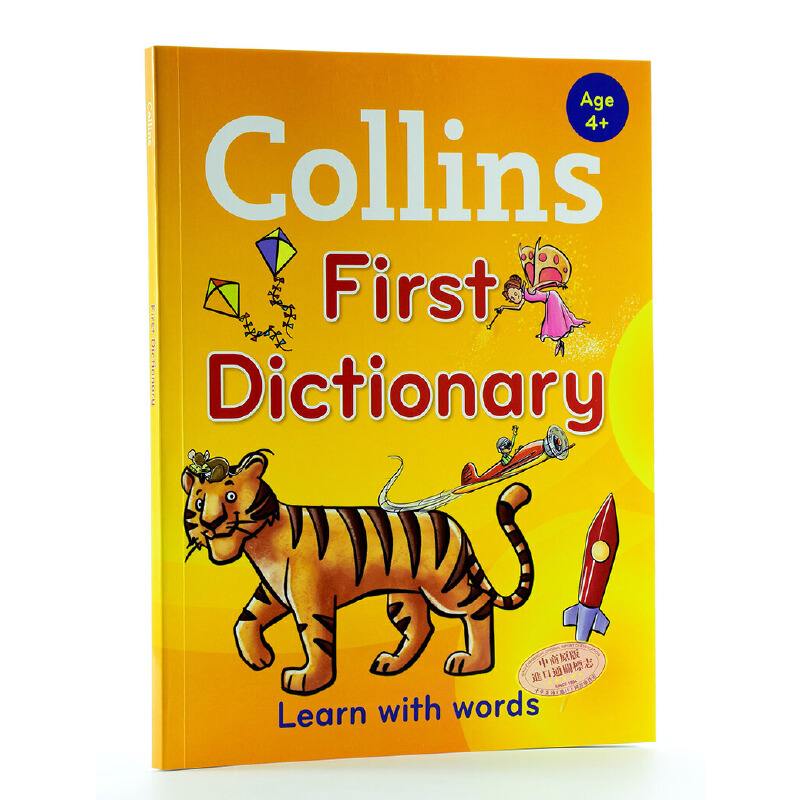
1. HarperCollins is one of the five largest English-language publishing companies in the world.

The company was formed in 1989 when the publisher Harper & Row and William Collins, Sons merged. The publisher has its headquarters in New York and has subsidiary businesses in Canada, the UK, Australia, New Zealand, and India. HarperCollins has published many well-known and critically acclaimed books.
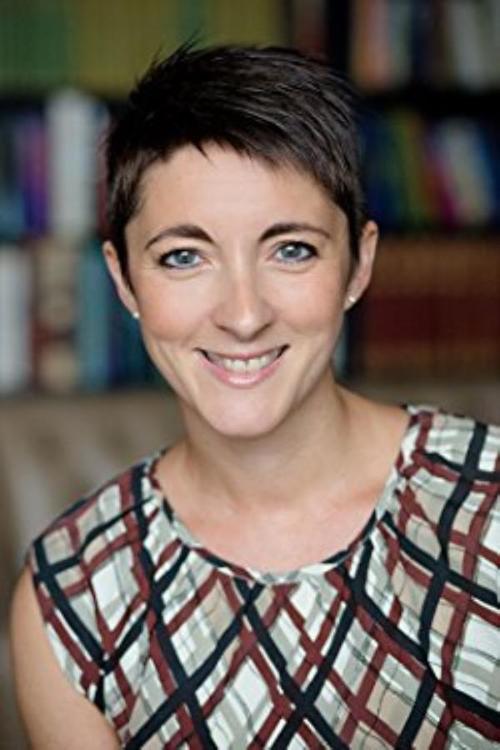
2. Sophie Nicholls is a British novelist, poet and academic. She is best known for her trilogy of fiction books The Dress (2011), The Dream (2012), and The Glass (2014). The books blend romance and fantasy, though Nicholls tackled more serious themes in her 2011 poetry collection Refugee.
3. Sky News is a company that provides 24-hour news coverage. It delivers content on television, online, by radio, and on mobile devices.


It is based in the UK but provides news content in countries all over the world. Sky News was an early provider of rolling news, where news is shown for 24 hours a day on a dedicated channel. It started broadcasting in 1989 and is part of the US media group 21st Century Fox.



Cultural Notes
1. A Book group or reading group may be started by a group of like-minded friends, or by an organizer in the local community who uses a library or the Internet to bring together a group of strangers. People join a book group for many reasons: to make friends, to hear new opinions, to discover new books, to start adisciplined reading habit, or to learn more about literature.


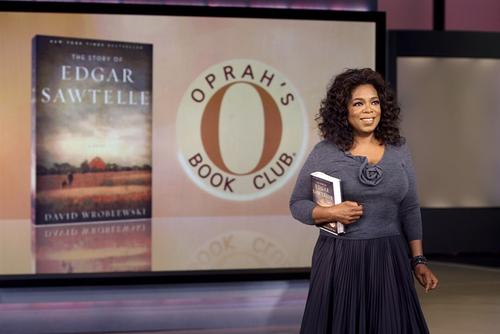
Book clubs have been much encouraged by publishers through interactive websites and also by media personalities like American TV presenter Oprah Winfrey (Oprah’s Book Club).

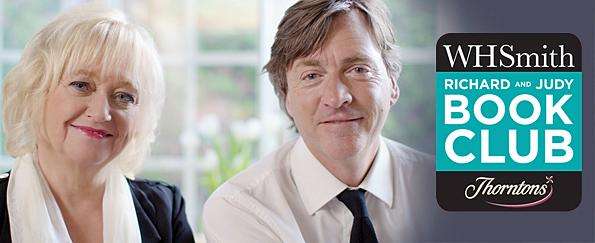
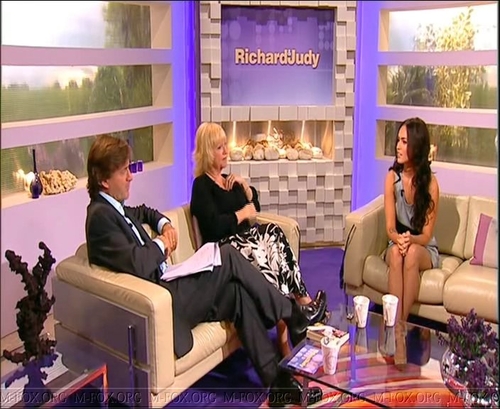
UK TV talk show hosts Richard Madeley and Judy Finnegan (Richard and Judy Book Club), both of which have had a massive effect on book sales.
Cultural Notes
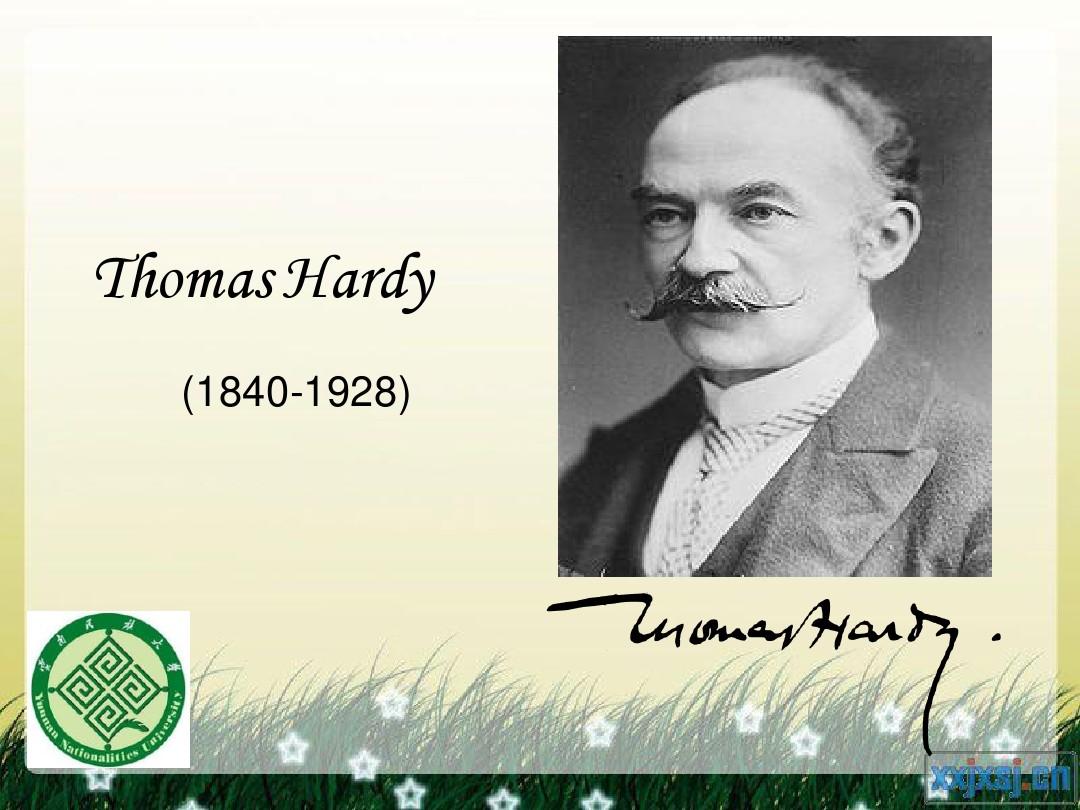
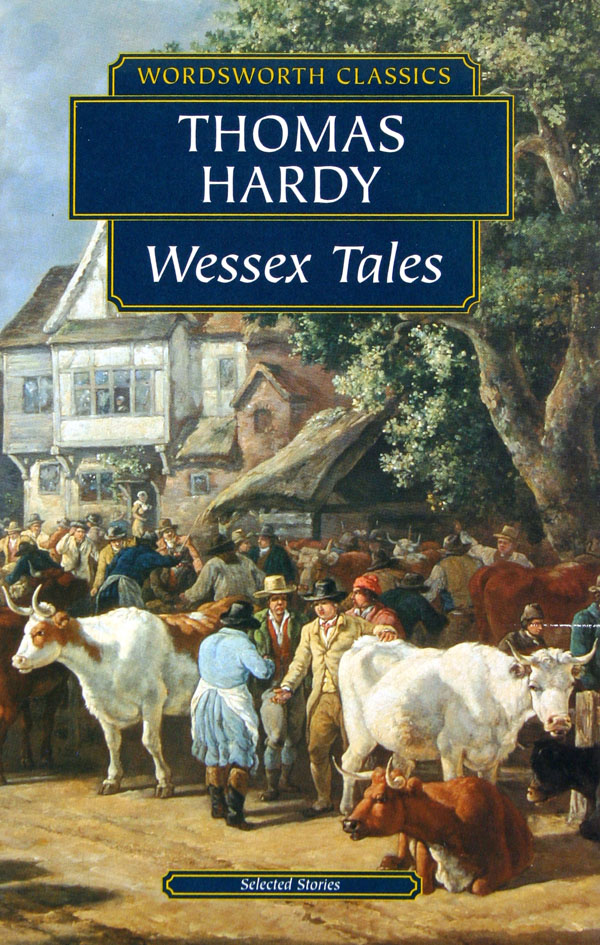
1. Thomas Hardy (1840-1928) was an English novelist and poet whose most famous novels include Far from the Madding Crowd (远离尘嚣), The Mayor of Casterbridge (卡斯特桥市长), and Tess of the D’Urbervilles(德伯家的苔丝).
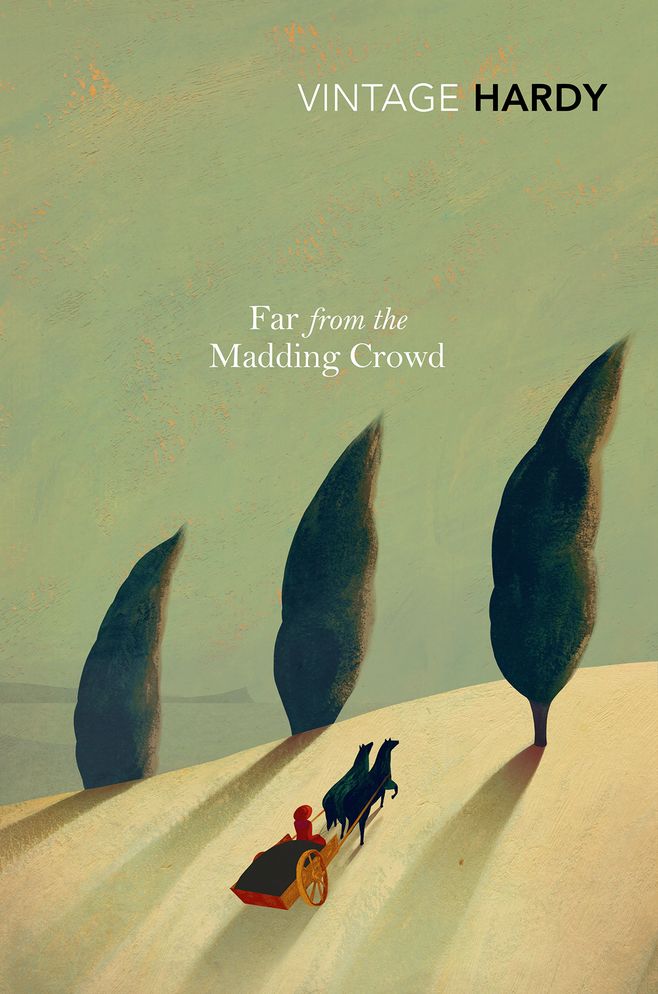
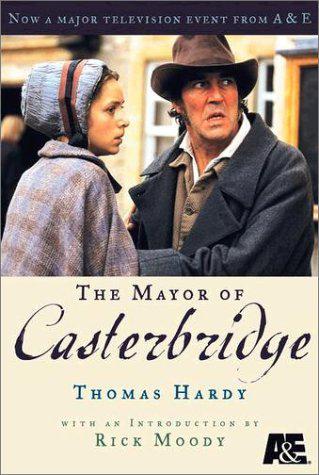
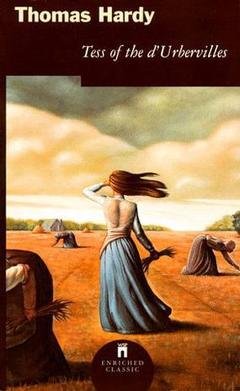
His novels are set in the semi-fictional country of Wessex, which is based on Dorset in the south-west of England where he grew up. They provide a detailed description of the rural scenery and way of life at the turn of the century, which was rapidly disappearing with the advance of urbanization and industrialization.
2. J.R.R. Tolkien J.R.R 托尔金 (1892-1973) was a British writer and professor of Anglo-Saxon at the University of Oxford.
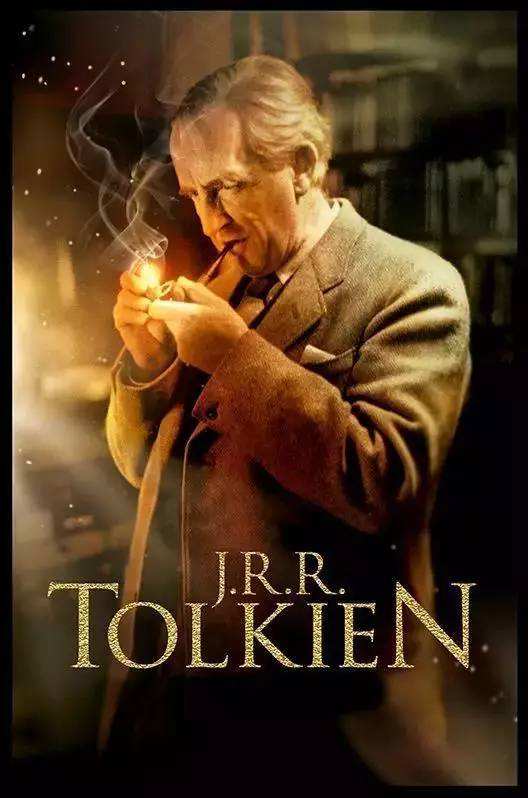
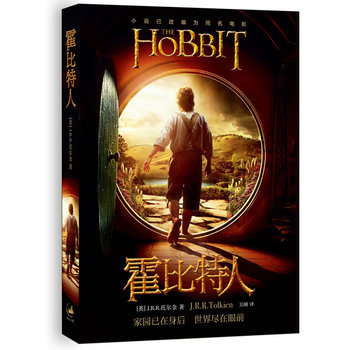
He is the author of The Hobbit and The Lord of the Rings, a best-selling series of fantasy novels set in the fictional world of Middle-earth and taking place during an imaginary period in Earth’s past.Tolkien is considered to be the father of modern fantasy literature.
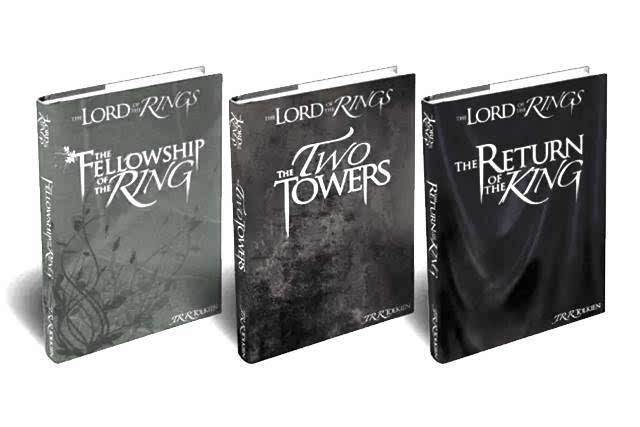
3. Lake District is a region of lakes and low mountains in the north-west of England. It is a popular holiday destination for families and walking groups.


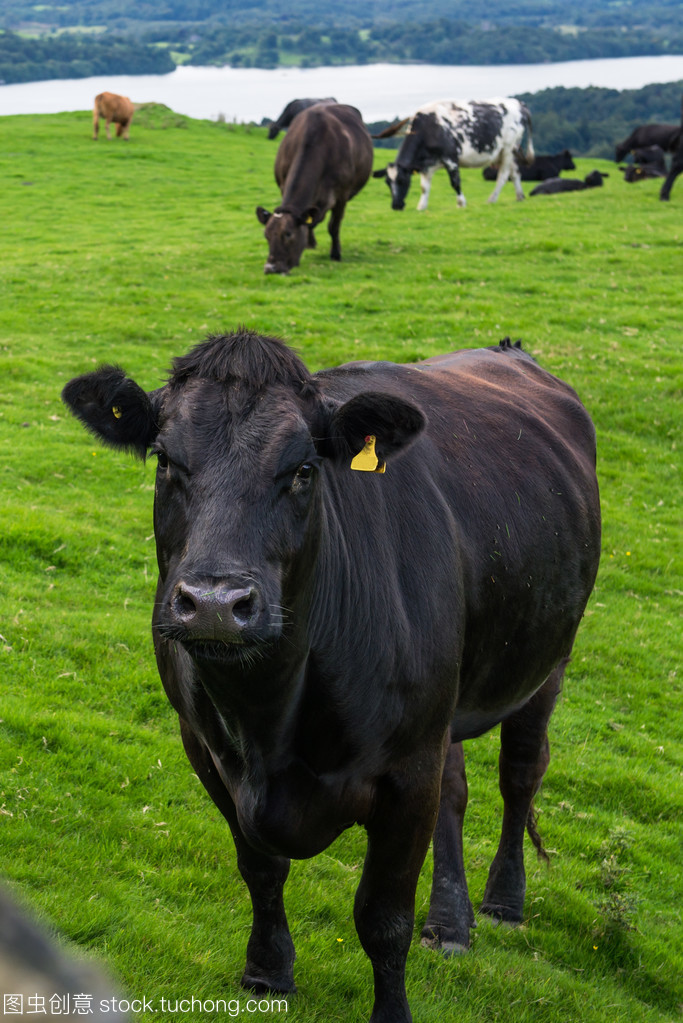
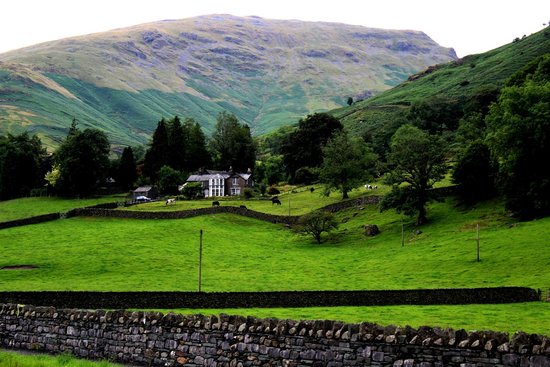
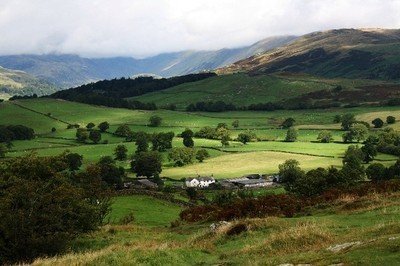
It is also famous for its association with a group of poets who lived there at the end of the 19th century. In their poems, they described the beauty of the nature around them and became known as the Lake Poets. (湖畔诗人:英国18世纪末到19世纪初浪漫主义诗歌流派)
4. Poets’Corner 诗人角 is a section of Westminster Abbey –– high-profile historic church near the Houses of Parliament in London –– where many famous British poets, playwrights, and writers are buried.
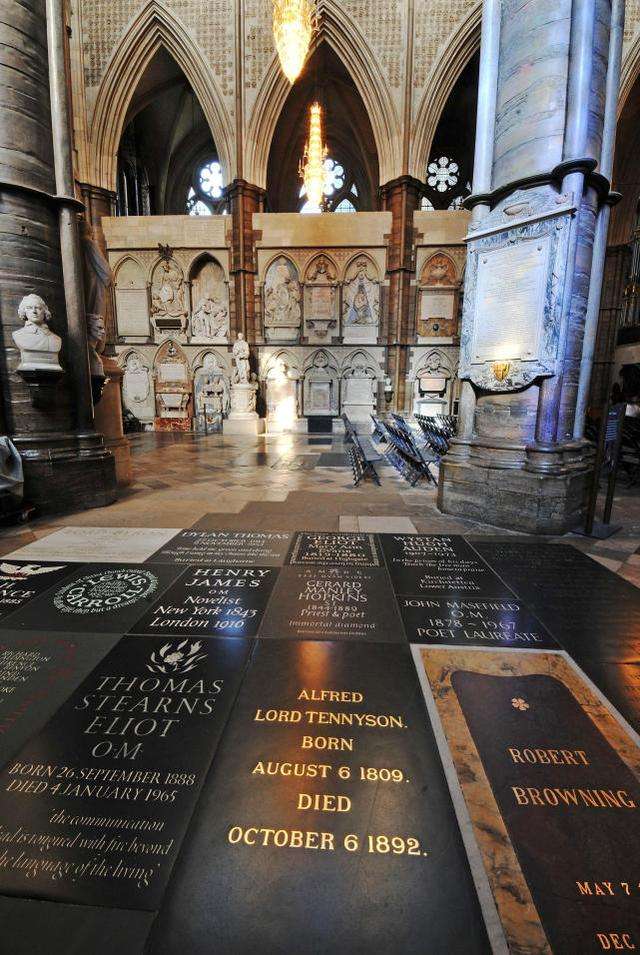
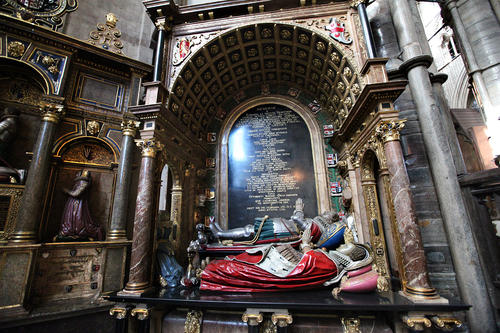
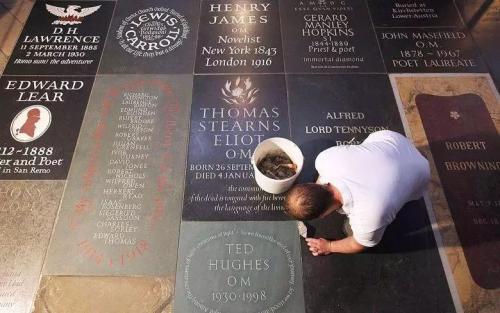
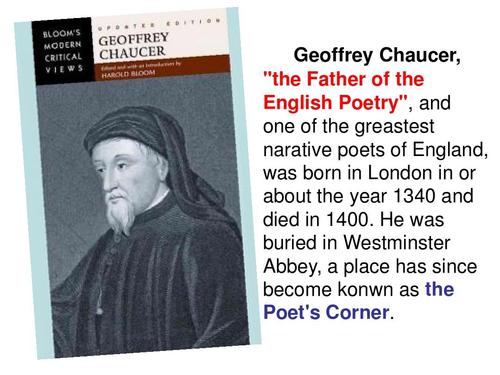
The first writer to be buried there was Geoffrey Chaucer, the writer of The Canterbury Tales, in 1400. Other famous writers buried there areWilliam Shakespeare, Charles Dickens, Thomas Hardy, Alfred Tennyson and Samuel Johnson.
伦敦西敏寺(威斯敏斯特大教堂)的诗人角是英国文学研究者和爱好者们的圣地。一百多位英国诗人、剧作家、小说家和散文家安葬在这里或在这里设有雕像/纪念石板。他们中间有饮誉世界的作家,例如莎士比亚、狄更斯、简•奥斯丁、勃朗狄姐妹等,不过,这里也有一些作家当时名声显赫,而现在已成为了明日黄花。还有少数与文学无关的人也葬在这里:几位神职人员、演员以及音乐家乔治•弗雷德里克•亨德尔。1400年,首次有一位诗人—杰弗里•乔叟在此下葬。将近200年后,另一位诗人—为伊丽莎白一世创作长诗《仙后》的埃德蒙•斯宾塞(1553-1598)要求死后葬在乔叟旁边,大概他希望借乔叟耀眼的天才之光,照亮他自己的墓碑。从此之后,诗人角的传统就正式开启了。每一座雕像或纪念牌的后面都有着一段非凡的人生故事。下面举出其中几位历史上著名的诗人或剧作家,看看围绕他们的墓或纪念碑/雕像发生的事情。
1 杰弗里•乔叟(1343-1400)

乔叟像

乔叟的棺材
第一个入驻诗人角的作家是乔叟,他的《坎特伯雷故事集》是中世纪最重要的英国文学作品,他通常被称为“英国诗歌之父”,于1400年被安葬在这里。他享有这等殊荣,并不是因为他是一位伟大的诗人,而是因为他是曾为皇室服务,并且住在离西敏寺旁。他于1389年被任命为皇家工程监理, 负责皇家产业的建筑和修缮,例如西敏寺,伦敦塔,各处城堡和庄园,皇家公园等。两年后他辞去这份工作,致力于写作《坎特伯雷故事集》。乔叟于1399年12月租下西敏寺的圣母教堂(Lady Chapel)花园里的房子,入住之后不到一年就去世了。他被埋在圣本笃教堂(St Benedict’s Chapel)入口处。1556年一位不出名的诗人尼古拉斯•布里格姆(Nicholas Brigham)经西敏寺主持同意后,把自己购得的一口十六世纪早期的灰色大理石棺材安置在西敏寺的南翼走廊,他在石棺的背面画上乔叟的像,题上字,然后把乔叟的遗骸放在里面。据说这口棺材来自以前被亨利八世拆除的一座教堂。
2 威廉•莎士比亚 (l564-1616)

莎士比亚像

莎士比亚雕像
诗人角最引人注目的当属莎士比亚的雕像。莎士比亚去世后葬于他家乡艾文河畔的斯特拉特福德的圣三一教堂。西敏寺为没有葬在寺内的死者设置纪念牌或者竖立雕像的做法,在莎士比亚时代还没有先例。莎士比亚去世不久之后就有各种说法,希望把他的遗骸移至西敏寺。诗人威廉•巴斯(William Basse 1618-abt.1695) 就曾写道,"有名的斯宾塞,向博学的乔叟靠近一点; 而才华出众的博蒙特 , 向斯宾塞睡的地方挪一挪,以便给莎士比亚腾出空间..."。不过,这样做恐怕违反了莎士比亚本人的愿望。他的墓志铭是这样写的:
好朋友,为了耶稣的缘故,
请不要掘出这下面的骸骨!
放过我的坟墓会得到赐福,
搬动我的遗骨会受到咒诅。
Good friend for Jesus sake forbear,
To dig the dust enclosed here.
Blessed be the man that spares these stones,
And cursed be he that moves my bones.
这话说得有点奇怪。莎士比亚的墓安置在教堂的圣坛前面,这块地盘称之为高坛(chancel),这应当是十分稳妥的埋骨之地,怎么他生前还担心有人要来盗墓,动他的老骨头?原来在莎士比亚的时代,埋在教堂里的尸骨有时会被挖起来,加以焚烧,把尸体变成骨灰之后再埋回去,以便挪出空间,让别的死人埋在旁边。这是教堂创收的方法之一。买下墓地的人没人会喜欢这种做法。莎士比亚大概是因为这样的原因,才写下了以上的墓志铭。这样的诅咒也让那些想让他搬家去西敏寺的人打消了念头。
莎士比亚去世124年之后(1740年)其纪念雕像才在诗人角落户。
3 本•琼森(1574-1637)

本•琼森像

本•琼森纪念石板
莎士比亚的朋友本•琼森是文艺复兴时期的剧作家、诗人和演员。他在莎士比亚的戏剧中扮演过一个角色,莎士比亚也在他的戏剧《人各有禀性》(Every Man in His Humour)中扮演过角色。尽管皇室有时接济他,琼森似乎还是常常处于贫困之中。1637年他去世时一贫如洗。根据一种传说,他曾乞求英国国王查尔斯一世在西敏寺给他弄一块18平方英寸的墓地;还有一种传说:西敏寺主持曾向他保证,他死后可以葬在诗人角;他回答说,“我太穷了,买不起12平方英尺的墓地,也不会有人给我出资,我有两平方英尺的地盘就行了。”主持回答说,“我会满足你的要求的”。琼森去世后,他果然得到了两平方英尺的墓地。这块地盘太小,琼森的遗体不得不站立在逼仄的空间里。他并没有葬在诗人角,而是寺中大殿的北面通道(northern aisle of the Nave)不过,1728年,他的纪念石牌被安置在诗人角的南墙。1849年,工人们在琼森旁边开挖罗伯特•威尔逊爵士(Sir Robert Wilson)的墓地。现场监工看见琼森的两根腿骨从沙土中伸出来,他的头骨从腿骨的上方滚落下来,掉进威尔逊的坟坑中,几缕红发还稀疏地附着于头骨上。十年后,当约翰•亨特医生的坟墓在另一侧开挖时,他的头骨又掉了出来。琼森没法弄到足够的钱,却一定要在西敏寺 “站”有一席之地,他站立的遗骸因此两次受到惊扰。
4 克里斯多夫•马娄(1564-1593)

克里斯多夫•马娄像

克里斯多夫•马娄彩绘玻璃纪念牌
剧作家克里斯多夫•马娄与莎士比亚同年出生。在英国文艺复兴时期的剧作家之中,他的文学成就仅次于莎士比亚。维多利亚时期最伟大的诗人丁尼生称马娄是一颗晨星,预示着莎士比亚这个光芒万丈的太阳的出现。马娄29岁时暴死于伦敦一家酒店中,尖刀插进了他右眼上方。据说他当时在店内用晚餐时,因付账与人起争执而导致横死。如果他不是如此年轻就死于非命,他的天才会有更大的发挥,说不一定成就会比肩莎士比亚。2002年,他的名字才被写在诗人角的彩绘玻璃上,这离他去世已经409年。之所以迟迟不能进入西敏寺,大概是因为很多人认为他是西班牙的间谍,是卖国者。值得注意的是,凶手英格拉姆•弗雷泽(Ingram Frizer)的一位表妹是伊丽莎白女王的宫女,有人因此认为马娄的死是王室蓄意制造的谋杀。马娄死于1593年,这本来是确凿的史实,但是在纪念牌上,1593年的前面却平添了一个问号。这是因为英国马娄学会的一些会员坚持认为马娄并没有死,而是在受伤之后假装死亡,最终逃到欧洲大陆继续写作,并且在逃亡地以莎士比亚的化名发表剧作和诗歌。而莎士比亚学者们却认为这是一派胡言,毫无根据。这块彩绘玻璃是由英国马娄学会掏钱安置的,他们在纪念牌上打上一个问号,表明自己的立场。
5 约翰•米尔顿(1608-1674)

约翰•米尔顿

约翰•米尔顿雕像
米尔顿在英国文学中的地位仅次于乔叟和莎士比亚,然而他进敏寺却并不容易。米尔顿去世后,时任西敏寺主持的托马斯•斯普拉特(Thomas Sprat,1683-1713任西敏寺主持)拒绝在寺内为米尔顿立碑或立像。这是因为米尔顿在十七世纪清教革命(1642-1660)中站在了反对王权的一边。当时支持国王的教会受到很大的冲击。西敏寺的唱诗班被解散了,革命党领袖克伦威尔的士兵还冲进西敏寺(1643年),砸烂了管风琴,同时也造成了别的一些损坏。西敏寺里的僧侣们对清教的反感可想而知。米尔顿在内战中不仅著书撰文反对王权,还担任了克伦威尔的拉丁文秘书。显然,在1660年王政复辟之后,像米尔顿这样在内战中支持清教的人士会受到西敏寺的冷遇。斯普拉特认为米尔顿的名字会弄脏西敏寺的墙。一直到1737年米尔顿的雕像才安放在诗人角,这离他去世已经六十多年了。
6 查尔斯•狄更斯(1821-1870)

查尔斯•狄更斯像

查尔斯•狄更斯像

查尔斯•狄更斯墓碑
查尔斯•狄更斯本来是要被安葬在罗切斯特大教堂的,但是在他去世后,《泰晤士报》发起了对狄更斯安葬之地的公众意见调查。大多数人都认为,享有狄更斯这样名望的人应当葬在西敏寺。西敏寺接受了公众的意见,决定把他安葬在寺内。不过,西敏寺对狄更斯遗嘱执行者们提出了一个条件:葬礼若在寺内举行,必须是私人性质的,不邀请公众参加。因此,狄公的葬礼只有十多个人参加。葬礼结束之后,主持才打开大门,邀请公众进入。成千上万热爱狄公的人们早已排着长队等候,他们鱼贯而入,瞻仰躺在棺材中的狄公遗容。这其中有很多是穷人,他们把狄公视为为自己代言的英雄。他们献上鲜花,表达深切的哀思。
狄更斯的墓碑上只简单地写了三行字:
查尔斯•狄更斯
生于1812年2月7日
卒于1870年6月9日
狄更斯生前曾要求他的墓碑上只写上名字就足够了,因为 “我的作品会让我的国家记住我。”何等地自信!
7 艾尔弗德•丁尼生 (1809-1892)

艾尔弗德•丁尼生像

艾尔弗德•丁尼生雕像
维多利亚时代最重要的诗人丁尼生是最后一个土葬在西敏寺中的人。由于空间的限制,在他之后,仅仅有逝者的骨灰葬在这里。丁尼生声名显赫,1850年受封为桂冠诗人。丁尼生去世时,他的一只手放在打开的莎士比亚著作上,打开的地方是传奇剧《辛伯林》。这本莎士比亚作品集放进了他的棺材,永远伴随在他的身旁。10月12日,他的葬礼在西敏寺内举行。数千人参加了葬礼,哀悼他们时代最伟大的诗人。诗人的儿媳奥黛丽•丁尼生(Audrey Tennyson)给丁尼生的女儿艾米莉的信里写道,“那可爱的形体躺在那里,似乎只是在熟睡之中,他的眼睛似乎马上就要重新睁开。他脸上的表情宁静安详,这让他显得比在世时更加优美。”
在丁尼生下葬之前,合唱队唱起了诗人写下的最后一首诗《寂静之声》,曲调由丁尼生夫人亲自谱写。歌声清越,在整个寺内回荡:
寂静之声,身着黑裳,
把梦带到我的床上,
逝者们寂静的声音,
请不要频繁地嚷嚷,
不要召唤我去冥间,
那里没有阳光!
寂静之声,唤我前行,
朝着铺满星光的路上
星星闪耀在我的头顶
向前,永远向前方!
The Silent Voices
WHEN the dumb Hour, cloth’d in black,
Brings the Dreams about my bed,
Call me not so often back,
Silent Voices of the dead,
Toward the lowland ways behind me,
And the sunlight that is gone!
Call me rather, silent Voices,
Forward to the starry track
Glimmering up the heights beyond me
On, and always on!