
目录

  • 1 What Do You Think I Should Do?
    • 1.1 Percentages, Fractions and Decimals
    • 1.2 Asking for and Giving Advice
    • 1.3 Listening and Practicing
      • 1.3.1 Activity 1 What's in Your Office
      • 1.3.2 Activity 2 That might Work, But I Have not Thought about That
      • 1.3.3 Activity 3 How to Ask a Co-worker for Advice
      • 1.3.4 Activity 4 Why Do We Like to Offer Advice?
    • 1.4 Additional Listening
      • 1.4.1 Culture
      • 1.4.2 News
      • 1.4.3 Songs
  • 2 The Magic Words---Sorry and Thank You;
    • 2.1 Unit Words, Measurements and Currencies
    • 2.2 Expressing Thanks and Making Apologies
      • 2.2.1 Expressing Thanks
      • 2.2.2 Expressing Apologies
    • 2.3 Listening and Practicing
      • 2.3.1 Activity 1 Filing for Reimbursement
      • 2.3.2 Activity 2 Thanks, Amy
      • 2.3.3 Activity 3 What Every Boss Wishes You Did When You Mess Up
      • 2.3.4 Activity 4 The Power of Appreciation
    • 2.4 Additional Listening
      • 2.4.1 Culture
      • 2.4.2 Poem
  • 3 What Do You Like and  Dislike?
    • 3.1 Numbers to describe the world.
    • 3.2 Talking about Likes and Dislikes
    • 3.3 Listening and Practicing
      • 3.3.1 ACTIVITY 1: Interviewing a Business Traveler
      • 3.3.2 ACTIVITY 2: I Hate Going to Bars, But…
      • 3.3.3 ACTIVITY 3: Turning the Boring Life Colorful
      • 3.3.4 ACTIVITY 4: What Day Do You Like Best?
    • 3.4 Additional Listening
      • 3.4.1 Culture
      • 3.4.2 Songs
  • 4 I wish I Didn’t Have to Work Late So Much
    • 4.1 Directions and Locations
    • 4.2 Making Complaints
    • 4.3 Listening and Practicing
      • 4.3.1 ACTIVITY 1: Calling Again for the Delivery of the Order
      • 4.3.2 ACTIVITY 2: Frankly, I’ve Seen Little Change
      • 4.3.3 ACTIVITY 3: Complaining and Showing Frustration
      • 4.3.4 ACTIVITY 4: Dealing with Unhappy Customers
    • 4.4 Additional Listening
      • 4.4.1 Culture
  • 5 It’s So Great! Congratulations!
    • 5.1 Acronym
    • 5.2 Listening and Practicing
    • 5.3 Expressing Congratulations and Good Wishes
      • 5.3.1 ACTIVITY 1: Congratulations, Bro!
      • 5.3.2 ACTIVITY 2: Congratulations on Your Achievement!
      • 5.3.3 ACTIVITY 3: Speech of Congratulations on the Opening Ceremony of an Exhibition
      • 5.3.4 ACTIVITY 4: How to Respond to Congratulations
    • 5.4 Additional Listening
      • 5.4.1 A speech from Queen Elizabeth II
  • 6 Save the Fancy Clothes for the Holidays
    • 6.1 Background Information
    • 6.2 Talking about Dressing
    • 6.3 Listening and Practicing
      • 6.3.1 ACTIVITY 1: Rules of Fashion
      • 6.3.2 ACTIVITY 2: Dress Code Policy by Employers
      • 6.3.3 ACTIVITY 3: Dress Code
      • 6.3.4 ACTIVITY 4: Interns Are Not Students on Loan
    • 6.4 Additional Listening
      • 6.4.1 Never give up, never despair
  • 7 I Stalked Steve Jobs
    • 7.1 Making Business Appointments
    • 7.2 Expresssions for Making Appointment
    • 7.3 Listening and Practicing
      • 7.3.1 ACTIVITY 1: That Sounds Fine
      • 7.3.2 ACTIVITY 2: Will Arrange for a Visit to Xi’an for Him
      • 7.3.3 ACTIVITY 3: Appointment Guidelines
      • 7.3.4 ACTIVITY 4: I Stalked Steve Jobs
    • 7.4 Additional Listening
      • 7.4.1 Culture
  • 8 It's Been Such a Lovely Evening
    • 8.1 Background Information
    • 8.2 Expresssions for Entertaining Clients
    • 8.3 Listening and Practicing
      • 8.3.1 ACTIVITY 1: Conducting a Personal Tour
      • 8.3.2 ACTIVITY 2: A Business Meal in Las Vegas
      • 8.3.3 ACTIVITY 3: A Million Dollar Lesson
      • 8.3.4 ACTIVITY 4: Effective Entertainment
    • 8.4 Additional Listening
      • 8.4.1 Culture
Making Business Appointments

Making Business Appointments


Here are some of the things people may use when making an appointment. Write down the name of the thing in each picture and talk about which of them you think is/are necessary.
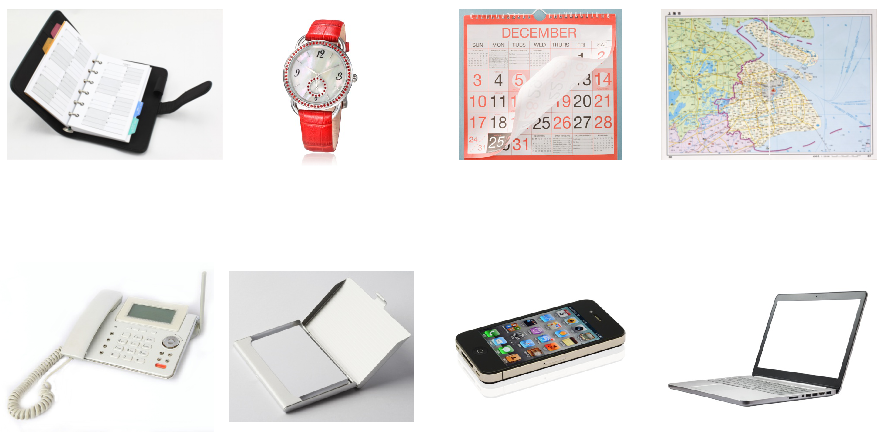


Now read the passage and find the answers to the questions.

Etiquette in Making Business Appointments

    When making a business appointment, one should consider different cultural backgrounds.

     In America, prior (提前的) appointments are necessary. When deciding on a meeting date, one should know people in the United States write the month first, then the day, and then the year (i.e., December 10, 2016 is written as 12/10/16). Punctuality (准时) is very important on business occasions. In many U.S. cities, busy traffic can cause considerable (严重的) delays, so be sure to allow enough driving time for your appointment.

    In Britain the most convenient times of day to arrange an appointment are probably mid-morning (say 11:00 a.m.) and mid-afternoon (say 4:00 p.m.). Breakfast meetings are rare outside London and other major cities and it is unlikely that an initial (最初的) meeting will involve lunch or dinner. Punctuality is appreciated but no one really minds if you arrive a little late (up to 15 minutes) for a one-to-one meeting. On the other hand, you should not arrive too promptly for social events; thus, if a dinner invitation states “7:30 p.m. for 8:00 p.m.”, it means that you will be expected at about 7:50 p.m.

    The London underground (the “Tube”) and long-distance rail services are the worst offenders (惹人生气的人或事物). The flow of traffic in central London has improved greatly since the introduction of congestion (拥挤) charging (drivers must now pay £5 per day to enter the clearly marked inner zone). So, the more important the meeting, the more time you should allow for almost inevitable (不可避免的) delay.


Questions:

  1. What should people consider when making a business appointment?

  2. What is the difference in the written form of date between American English and British English?

  3. In which country do people not really mind if one is a little late for a one-to-one meeting?