大学英语(四)

杨志尚、席娟芳、袁丽坤、雷雨欣、刘柳、章乐、肖玲、熊花曼、雷方圆

目录

  • 1 Unit 1
    • 1.1 Objectives
    • 1.2 Lead-in
      • 1.2.1 Overview
      • 1.2.2 Listening Practice
    • 1.3 Cultural Background
      • 1.3.1 Video
      • 1.3.2 Related Information
      • 1.3.3 True or False Exercise
    • 1.4 Reading Skill Focus
      • 1.4.1 Text
      • 1.4.2 Reading Skill Focus
      • 1.4.3 Exercise
      • 1.4.4 How to Improve Your English Reading Skills
    • 1.5 Vocabulary
      • 1.5.1 Audio
      • 1.5.2 Vocabulary Learning
      • 1.5.3 Exercise
      • 1.5.4 How to Learn English Vocabulary
    • 1.6 Text
    • 1.7 Translation Practice
      • 1.7.1 Translation Skills
    • 1.8 Quiz
    • 1.9 Supplemental Videos
    • 1.10 Supplemental Reading Materials
    • 1.11 Writing
  • 2 Unit 2
    • 2.1 Objectives
    • 2.2 Lead-in
    • 2.3 Cultural  Background
      • 2.3.1 Video
      • 2.3.2 Related Information
      • 2.3.3 True or False Exercise
    • 2.4 Reading Skill Focus
      • 2.4.1 Text
      • 2.4.2 Reading Skill Focus
      • 2.4.3 Reading Comprehension
      • 2.4.4 Extended Reading
        • 2.4.4.1 An Interview from The Andrew Marr Show
        • 2.4.4.2 A Clip from the Interview
      • 2.4.5 How to Improve English Grammar__Tips_to_Learn_English_Grammar_Faster
    • 2.5 New Words and Expressions
      • 2.5.1 Audio
      • 2.5.2 Vocabulary  Learning
      • 2.5.3 Exercise
      • 2.5.4 English Spelling Rules Learn_Spelling_Rules and Common Mistakes
    • 2.6 Text
      • 2.6.1 Text A
      • 2.6.2 Text A - Audio
    • 2.7 Translation Practice
      • 2.7.1 Tips to Improve Your Sentence Structure
    • 2.8 Quiz
    • 2.9 Supplemental Videos
      • 2.9.1 Video One
      • 2.9.2 Video Two
      • 2.9.3 Video Three
    • 2.10 Supplemental Reading Materials
      • 2.10.1 Passage One
      • 2.10.2 Passage Two
      • 2.10.3 Passage Three
      • 2.10.4 Passage Four
      • 2.10.5 Passage Five
    • 2.11 Writing
  • 3 四六级相关知识及练习
    • 3.1 四级听力技能讲解(一)
    • 3.2 六级听力技能讲解(一)
    • 3.3 四级听力模拟练习(一)
    • 3.4 六级听力模拟练习(一)
    • 3.5 四级阅读技能讲解(一)
    • 3.6 六级阅读技能讲解(一)
    • 3.7 四级阅读技能训练(一)
    • 3.8 六级阅读技能训练(一)
    • 3.9 四级听力阅读测试(一)
    • 3.10 六级听力阅读测试(一)
    • 3.11 四级听力技能讲解(二)
    • 3.12 六级听力技能讲解(二)
    • 3.13 四级听力模拟练习(二)
    • 3.14 六级听力模拟练习(二)
    • 3.15 四级阅读技能讲解(二)
    • 3.16 六级阅读技能讲解(二)
    • 3.17 四级阅读技能训练(二)
    • 3.18 六级阅读技能训练(二)
    • 3.19 四级听力阅读测试(二)
    • 3.20 六级听力阅读测试(二)
  • 4 Unit 3
    • 4.1 Objectives
    • 4.2 Lead-in
      • 4.2.1 Tips_for_Natural_English_Conversation_Responses__Improve_English_Speaking
    • 4.3 Cultural Background
      • 4.3.1 Video
      • 4.3.2 Related Information
      • 4.3.3 True or False Question
    • 4.4 Reading Skill Focus
      • 4.4.1 Text
      • 4.4.2 Reading Skill Focus
      • 4.4.3 Reading Comprehension
    • 4.5 Vocabulary
      • 4.5.1 Audio
      • 4.5.2 Vocabulary Learning
      • 4.5.3 Exercise of Vocabulary
    • 4.6 Text
      • 4.6.1 Text A
      • 4.6.2 Text A - Audio
    • 4.7 Translation Practice
      • 4.7.1 English_Punctuation_Guide__English_Writing_Lesson
    • 4.8 Quiz
    • 4.9 Supplemental Videos
      • 4.9.1 Video One
      • 4.9.2 Video Two
      • 4.9.3 Video Three
      • 4.9.4 Video  Four
      • 4.9.5 Video Five
    • 4.10 Supplemental Reading Materials
      • 4.10.1 Reading Material One
      • 4.10.2 Reading Material Two
      • 4.10.3 Reading Material Three
      • 4.10.4 Reading Material Four
  • 5 Unit 4
    • 5.1 Objectives
    • 5.2 Lead-in
    • 5.3 Cultural Background
      • 5.3.1 Video
      • 5.3.2 Related Information
      • 5.3.3 True or False Question
    • 5.4 Reading Skill Focus
      • 5.4.1 Text
      • 5.4.2 Reading Skill Focus
      • 5.4.3 Reading Comprehension
      • 5.4.4 How_to_Approach_Multiple_Infographics
    • 5.5 Vocabulary
      • 5.5.1 Audio
      • 5.5.2 Vocabulary Learning
      • 5.5.3 Exercise of Vocabulary
      • 5.5.4 Mind Map:How to learn vocabulary quickly, easily, permanently?
    • 5.6 Text
      • 5.6.1 Text A
      • 5.6.2 Text A - Audio
    • 5.7 Translation Practice
    • 5.8 Quiz
    • 5.9 Supplemental Videos
      • 5.9.1 Video One
      • 5.9.2 Video Two
      • 5.9.3 Video Three
      • 5.9.4 Video Four
      • 5.9.5 Video Five
    • 5.10 Supplemental Reading Materials
      • 5.10.1 Reading Material One
      • 5.10.2 Reading Material Two
      • 5.10.3 Reading Material Three
      • 5.10.4 Reading Material Four
      • 5.10.5 Reading Material Five
    • 5.11 Writing Goal
      • 5.11.1 Writing Skill
      • 5.11.2 Video 1
      • 5.11.3 Video 2
      • 5.11.4 Video 3
  • 6 四六级相关知识点及练习(二)
    • 6.1 四级听力技能讲解(三)
    • 6.2 六级听力技能讲解(三)
    • 6.3 四级听力模拟练习(三)
    • 6.4 六级听力模拟练习(三)
    • 6.5 四级阅读技能讲解(三)
    • 6.6 六级阅读技能讲解(三)
    • 6.7 四级阅读技能训练(三)
    • 6.8 六级阅读技能训练(三)
    • 6.9 四级听力阅读测试(三)
    • 6.10 六级听力阅读测试(三)
    • 6.11 四级听力技能讲解(四)
    • 6.12 六级听力技能讲解(四)
    • 6.13 四级听力模拟练习(四)
    • 6.14 六级听力模拟练习(四)
    • 6.15 四级阅读技能讲解(四)
    • 6.16 六级阅读技能讲解 (四)
    • 6.17 四级阅读技能训练(四)
    • 6.18 六级阅读技能训练(四)
    • 6.19 四级听力阅读测试(四)
    • 6.20 六级听力阅读测试(四)
  • 7 四六级模拟测试
    • 7.1 四级模拟测试
    • 7.2 六级模拟测试
    • 7.3 六级模拟测试-做这个
Lead-in

Unit 4  New Technology

Innovation in science and technology is the driving force for social and economic development and brings about drastic changes in every aspect of life. The Industrial Revolution, the computer and the Internet have made possible gigantic increases in productivity, commerce, communication, and entertainment. 3D printing is another such revolution that will, moreover, change the industries it touches in dramatic, fundamental ways.
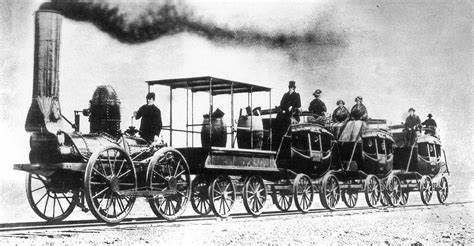

The First Industrial Revolution began in the 18th century and focused primarily on textile manufacturing and steam power

The Second Industrial Revolution was a period when advances in steel production, electricity and petroleum caused a series of innovations that changed society.

See the source image

See the source image


See the source image

The Third Industrial Revolution was all about computers.

Is 3D printing The Next Industrial Revolution?

Let ’s see how exactly does 3D printing work.

3D Printing in the Medical Field