大学英语(四)

杨志尚、席娟芳、袁丽坤、雷雨欣、刘柳、章乐、肖玲、熊花曼、雷方圆

目录

  • 1 Unit 1
    • 1.1 Objectives
    • 1.2 Lead-in
      • 1.2.1 Overview
      • 1.2.2 Listening Practice
    • 1.3 Cultural Background
      • 1.3.1 Video
      • 1.3.2 Related Information
      • 1.3.3 True or False Exercise
    • 1.4 Reading Skill Focus
      • 1.4.1 Text
      • 1.4.2 Reading Skill Focus
      • 1.4.3 Exercise
      • 1.4.4 How to Improve Your English Reading Skills
    • 1.5 Vocabulary
      • 1.5.1 Audio
      • 1.5.2 Vocabulary Learning
      • 1.5.3 Exercise
      • 1.5.4 How to Learn English Vocabulary
    • 1.6 Text
    • 1.7 Translation Practice
      • 1.7.1 Translation Skills
    • 1.8 Quiz
    • 1.9 Supplemental Videos
    • 1.10 Supplemental Reading Materials
    • 1.11 Writing
  • 2 Unit 2
    • 2.1 Objectives
    • 2.2 Lead-in
    • 2.3 Cultural  Background
      • 2.3.1 Video
      • 2.3.2 Related Information
      • 2.3.3 True or False Exercise
    • 2.4 Reading Skill Focus
      • 2.4.1 Text
      • 2.4.2 Reading Skill Focus
      • 2.4.3 Reading Comprehension
      • 2.4.4 Extended Reading
        • 2.4.4.1 An Interview from The Andrew Marr Show
        • 2.4.4.2 A Clip from the Interview
      • 2.4.5 How to Improve English Grammar__Tips_to_Learn_English_Grammar_Faster
    • 2.5 New Words and Expressions
      • 2.5.1 Audio
      • 2.5.2 Vocabulary  Learning
      • 2.5.3 Exercise
      • 2.5.4 English Spelling Rules Learn_Spelling_Rules and Common Mistakes
    • 2.6 Text
      • 2.6.1 Text A
      • 2.6.2 Text A - Audio
    • 2.7 Translation Practice
      • 2.7.1 Tips to Improve Your Sentence Structure
    • 2.8 Quiz
    • 2.9 Supplemental Videos
      • 2.9.1 Video One
      • 2.9.2 Video Two
      • 2.9.3 Video Three
    • 2.10 Supplemental Reading Materials
      • 2.10.1 Passage One
      • 2.10.2 Passage Two
      • 2.10.3 Passage Three
      • 2.10.4 Passage Four
      • 2.10.5 Passage Five
    • 2.11 Writing
  • 3 四六级相关知识及练习
    • 3.1 四级听力技能讲解(一)
    • 3.2 六级听力技能讲解(一)
    • 3.3 四级听力模拟练习(一)
    • 3.4 六级听力模拟练习(一)
    • 3.5 四级阅读技能讲解(一)
    • 3.6 六级阅读技能讲解(一)
    • 3.7 四级阅读技能训练(一)
    • 3.8 六级阅读技能训练(一)
    • 3.9 四级听力阅读测试(一)
    • 3.10 六级听力阅读测试(一)
    • 3.11 四级听力技能讲解(二)
    • 3.12 六级听力技能讲解(二)
    • 3.13 四级听力模拟练习(二)
    • 3.14 六级听力模拟练习(二)
    • 3.15 四级阅读技能讲解(二)
    • 3.16 六级阅读技能讲解(二)
    • 3.17 四级阅读技能训练(二)
    • 3.18 六级阅读技能训练(二)
    • 3.19 四级听力阅读测试(二)
    • 3.20 六级听力阅读测试(二)
  • 4 Unit 3
    • 4.1 Objectives
    • 4.2 Lead-in
      • 4.2.1 Tips_for_Natural_English_Conversation_Responses__Improve_English_Speaking
    • 4.3 Cultural Background
      • 4.3.1 Video
      • 4.3.2 Related Information
      • 4.3.3 True or False Question
    • 4.4 Reading Skill Focus
      • 4.4.1 Text
      • 4.4.2 Reading Skill Focus
      • 4.4.3 Reading Comprehension
    • 4.5 Vocabulary
      • 4.5.1 Audio
      • 4.5.2 Vocabulary Learning
      • 4.5.3 Exercise of Vocabulary
    • 4.6 Text
      • 4.6.1 Text A
      • 4.6.2 Text A - Audio
    • 4.7 Translation Practice
      • 4.7.1 English_Punctuation_Guide__English_Writing_Lesson
    • 4.8 Quiz
    • 4.9 Supplemental Videos
      • 4.9.1 Video One
      • 4.9.2 Video Two
      • 4.9.3 Video Three
      • 4.9.4 Video  Four
      • 4.9.5 Video Five
    • 4.10 Supplemental Reading Materials
      • 4.10.1 Reading Material One
      • 4.10.2 Reading Material Two
      • 4.10.3 Reading Material Three
      • 4.10.4 Reading Material Four
  • 5 Unit 4
    • 5.1 Objectives
    • 5.2 Lead-in
    • 5.3 Cultural Background
      • 5.3.1 Video
      • 5.3.2 Related Information
      • 5.3.3 True or False Question
    • 5.4 Reading Skill Focus
      • 5.4.1 Text
      • 5.4.2 Reading Skill Focus
      • 5.4.3 Reading Comprehension
      • 5.4.4 How_to_Approach_Multiple_Infographics
    • 5.5 Vocabulary
      • 5.5.1 Audio
      • 5.5.2 Vocabulary Learning
      • 5.5.3 Exercise of Vocabulary
      • 5.5.4 Mind Map:How to learn vocabulary quickly, easily, permanently?
    • 5.6 Text
      • 5.6.1 Text A
      • 5.6.2 Text A - Audio
    • 5.7 Translation Practice
    • 5.8 Quiz
    • 5.9 Supplemental Videos
      • 5.9.1 Video One
      • 5.9.2 Video Two
      • 5.9.3 Video Three
      • 5.9.4 Video Four
      • 5.9.5 Video Five
    • 5.10 Supplemental Reading Materials
      • 5.10.1 Reading Material One
      • 5.10.2 Reading Material Two
      • 5.10.3 Reading Material Three
      • 5.10.4 Reading Material Four
      • 5.10.5 Reading Material Five
    • 5.11 Writing Goal
      • 5.11.1 Writing Skill
      • 5.11.2 Video 1
      • 5.11.3 Video 2
      • 5.11.4 Video 3
  • 6 四六级相关知识点及练习(二)
    • 6.1 四级听力技能讲解(三)
    • 6.2 六级听力技能讲解(三)
    • 6.3 四级听力模拟练习(三)
    • 6.4 六级听力模拟练习(三)
    • 6.5 四级阅读技能讲解(三)
    • 6.6 六级阅读技能讲解(三)
    • 6.7 四级阅读技能训练(三)
    • 6.8 六级阅读技能训练(三)
    • 6.9 四级听力阅读测试(三)
    • 6.10 六级听力阅读测试(三)
    • 6.11 四级听力技能讲解(四)
    • 6.12 六级听力技能讲解(四)
    • 6.13 四级听力模拟练习(四)
    • 6.14 六级听力模拟练习(四)
    • 6.15 四级阅读技能讲解(四)
    • 6.16 六级阅读技能讲解 (四)
    • 6.17 四级阅读技能训练(四)
    • 6.18 六级阅读技能训练(四)
    • 6.19 四级听力阅读测试(四)
    • 6.20 六级听力阅读测试(四)
  • 7 四六级模拟测试
    • 7.1 四级模拟测试
    • 7.2 六级模拟测试
    • 7.3 六级模拟测试-做这个
Lead-in

Unit 3  Green Movement in Architecture

The text in this unit will show that architecture, although an engineering science, carries with it a strong awareness of humanity and deep respect for the human race, the nature, the environment, and the culture humans have developed. More importantly, it is an expression and record of life. We may get something from it: it’s the philosophy you hold on to that will make you achieve.


Some well-known examples of architectures insipred by the nature:
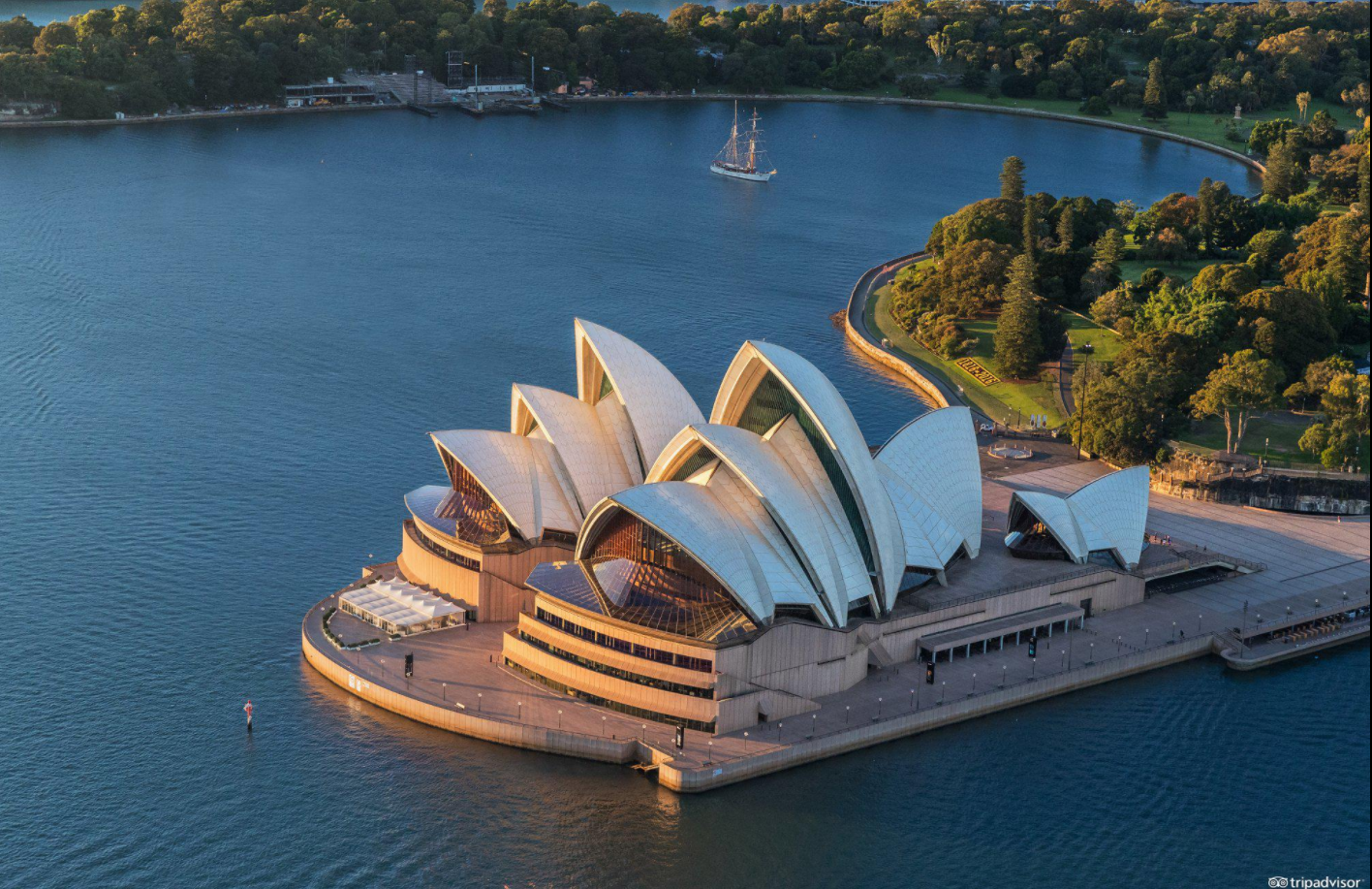
 

The Sydney Opera House, listed as a UNESCO World Heritage Site

The Sydney Opera House constitutes a masterpiece of 20th century architecture. Its significance is based on its unparalleled design and construction; its exceptional engineering achievements and technological innovation and its position as a world-famous icon of architecture. 
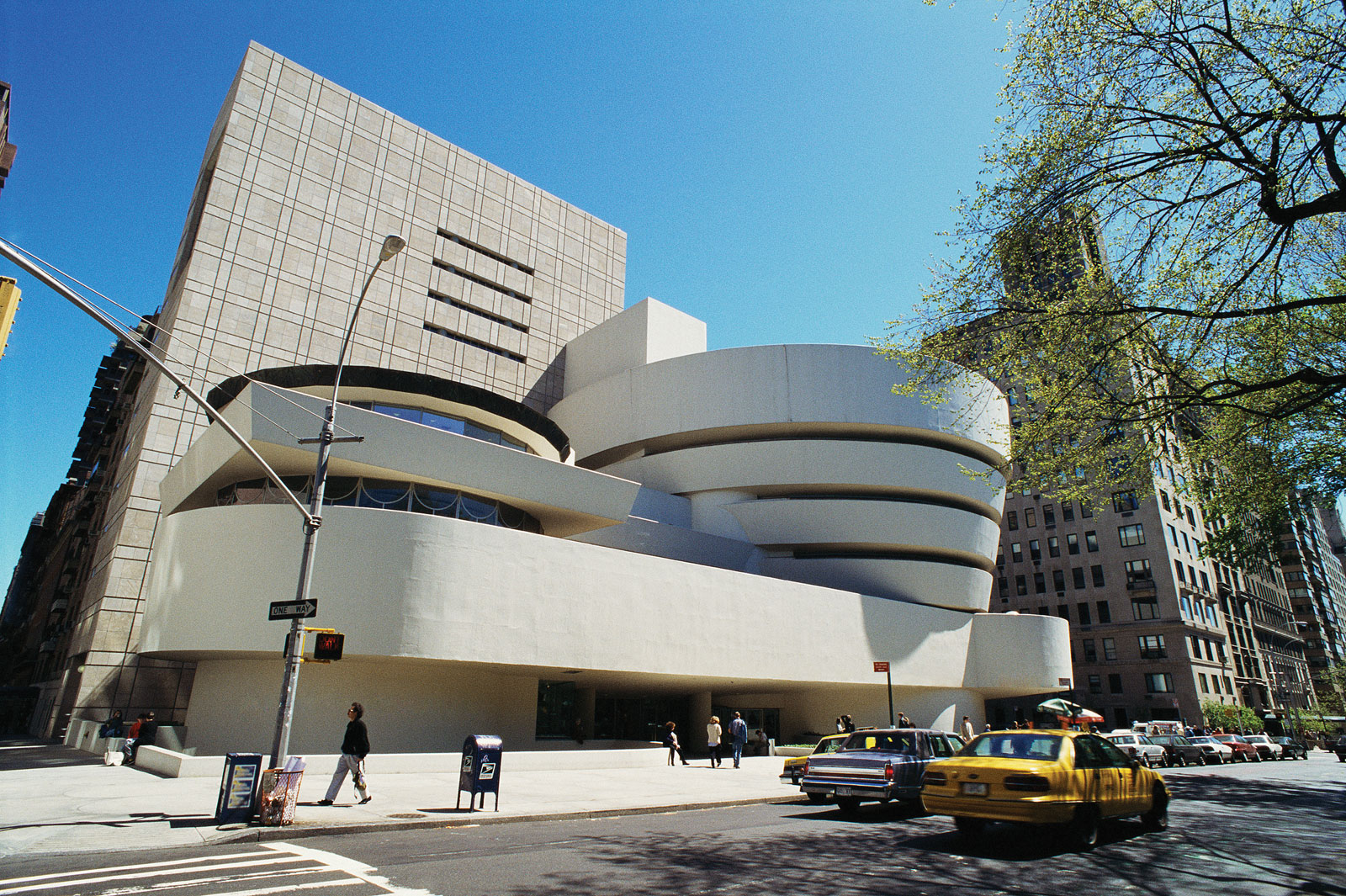
Guggenheim Museum, designed by Frank Lloyd Wright, in New York City.

An enormous white cylindrical building spiraling upward into a Plexiglass dome, the museum consists of a single gallery along a ramp that coils up from the ground floor. While Lloyd's design was highly controversial at the time, it is now revered as one of New York City's finest buildings.
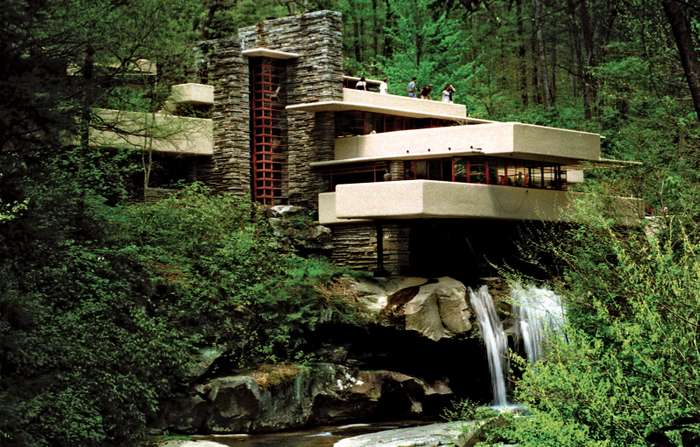
Fallingwater designed by Frank Lloyd Wright in 1935 and completed in 1937; near Mill Run, southwestern Pennsylvania.

This 1930s home was described as “one of the great blessings to be experienced here on earth.” Inspired by the architect’s desire to integrate human-made structures into the natural world, Fallingwater typifies organic architecture.


For more information about Frank Lloyd Wright, you can visit the website to see his documentary: Frank Lloyd Wright The Man Who Built America

https://video.h5.weibo.cn/1034:4435554213805249/4435599547071073