目录

  • 1 An Introduction
    • 1.1 Warm-up Cases
    • 1.2 Culture
    • 1.3 Assignments
  • 2 Unit 1 Languages: Chinese vs English
    • 2.1 Flipped Classroom tasks
    • 2.2 Section A The Chinese Language
      • 2.2.1 第一课时
      • 2.2.2 第二课时
    • 2.3 Section B The English language
      • 2.3.1 第一课时
      • 2.3.2 第二课时
    • 2.4 Assignments
  • 3 Unit 2: Clothing and Dress Codes
    • 3.1 Flipped Classroom tasks
    • 3.2 Section A  Chinese Clothing
      • 3.2.1 第一课时
      • 3.2.2 第二课时
    • 3.3 Section B Western Suits and Dress Codes
      • 3.3.1 第一课时
      • 3.3.2 第二课时
    • 3.4 Assignments
  • 4 Unit 3  Cuisine and Dining Etiquette
    • 4.1 Flipped Classroom tasks
    • 4.2 Section A  Chinese Cuisine and Dining Etiquette
      • 4.2.1 第一课时
      • 4.2.2 第二课时
    • 4.3 Section B  Cuisine and Dining Etiquette in the West
      • 4.3.1 第一课时
      • 4.3.2 第二课时
    • 4.4 Assignments
  • 5 Unit 4 Alcoholic Drinks and Drinking Culture
    • 5.1 Flipped Classroom tasks
    • 5.2 Section A  Chinese Alcoholic Drinks and drinking culture
      • 5.2.1 第一课时
      • 5.2.2 第二课时
    • 5.3 Section B wine and wine etiquette
      • 5.3.1 第一课时
      • 5.3.2 第二课时
    • 5.4 Assignments
  • 6 Unit 5 Leisure time drinks:Tea and coffee
    • 6.1 Flipped classroom tasks
    • 6.2 Section A Chinese tea and tea culture
      • 6.2.1 第一课时
      • 6.2.2 第二课时
    • 6.3 Section B Afternoon tea and coffee culture in the west
      • 6.3.1 第一课时
      • 6.3.2 第二课时
    • 6.4 Assignments
  • 7 Unit 6 Festivals and celebrations
    • 7.1 Flipped classroom tasks
    • 7.2 Section A Festivals and celebrations in China
      • 7.2.1 第一课时
      • 7.2.2 第二课时
    • 7.3 Section B Festivals and celebrations in English-speaking countries
      • 7.3.1 第一课时
      • 7.3.2 第二课时
    • 7.4 Assignments
  • 8 Unit 7 Medicine and fitness
    • 8.1 Flipped classroom tasks
    • 8.2 Section A Traditional  Chinese medicine and exercises
      • 8.2.1 第一课时
      • 8.2.2 第二课时
    • 8.3 Section B Western medicine and fitness
      • 8.3.1 第一课时
      • 8.3.2 第二课时
    • 8.4 Assignments
  • 9 Unit 9 Traffic and transport
    • 9.1 Flipped classroom tasks
    • 9.2 Section A  Traffic and transport in China
      • 9.2.1 第一课时
      • 9.2.2 第二课时
    • 9.3 Section BTraffic and transport in English-speaking countries
      • 9.3.1 第一课时
      • 9.3.2 第二课时
    • 9.4 Assignments
Assignments

1. 课外阅读

(1)Video watching:

There are many different Chinese translations for Stay hungry, Stay foolish. Try to illustrate and discover what it really means .

You may compare your Onion Model analysis with different Chinese translation.

(求知若饥 虚心若愚保持饥饿,保持愚蠢you may get from your online research to see whether you discover some differences. And Why?

Keys:

A: Stay hungry can be easily understood.

Stay foolish here means that Jobs did all in his life out of all people's expectation, which was interpreted by all normal people as foolish. However, Jobs would regard foolish as innovative. So we can change stay foolish as stay innovative.

(2)Buttoning the suit jacket


(3)socks with suit

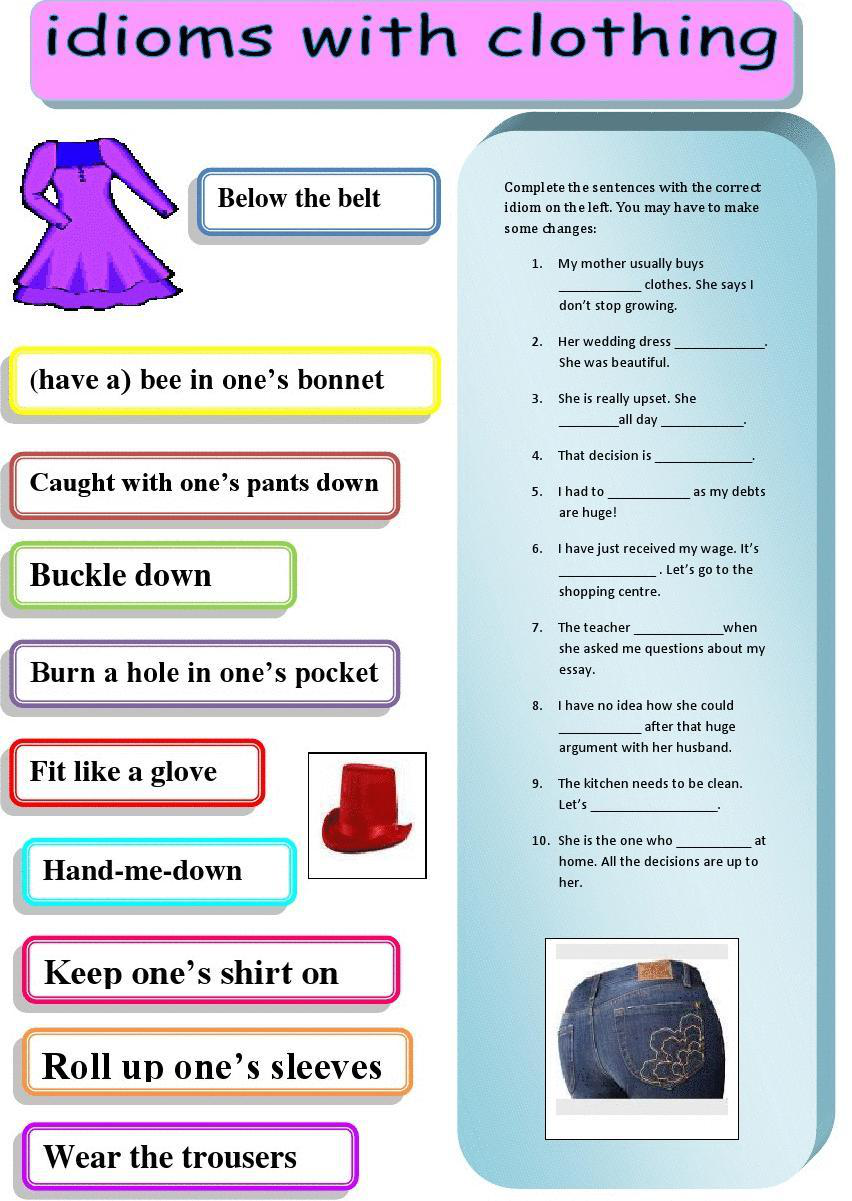
2. 词汇学习Idioms with cloth


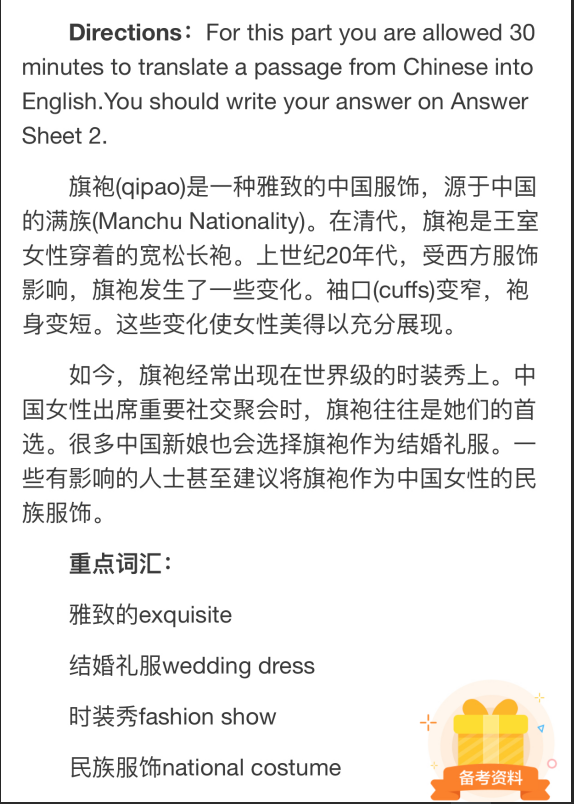
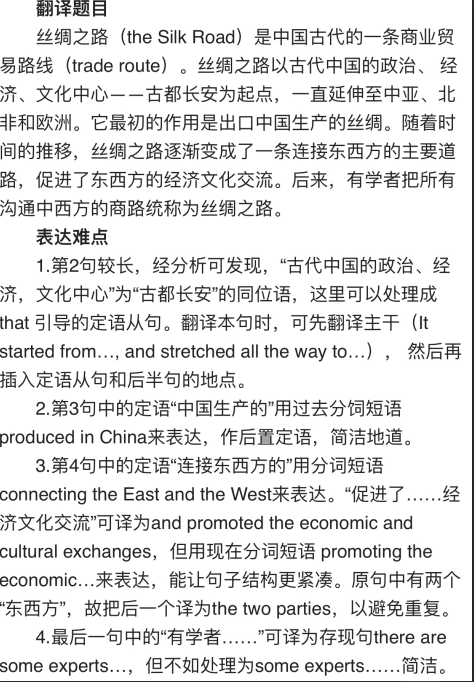
3. 英语四六级翻译之服饰文化

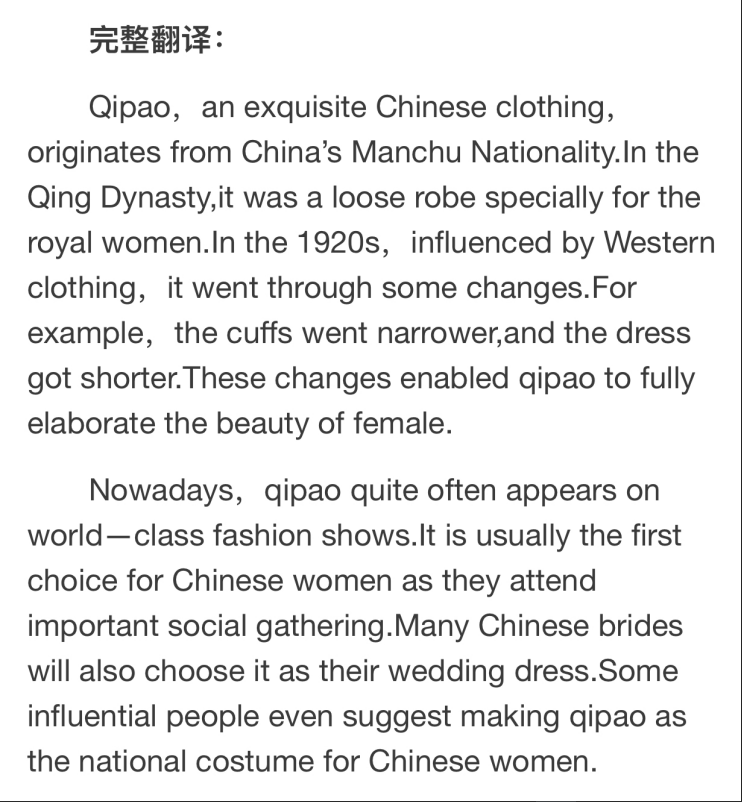
Passage 1:Qipao

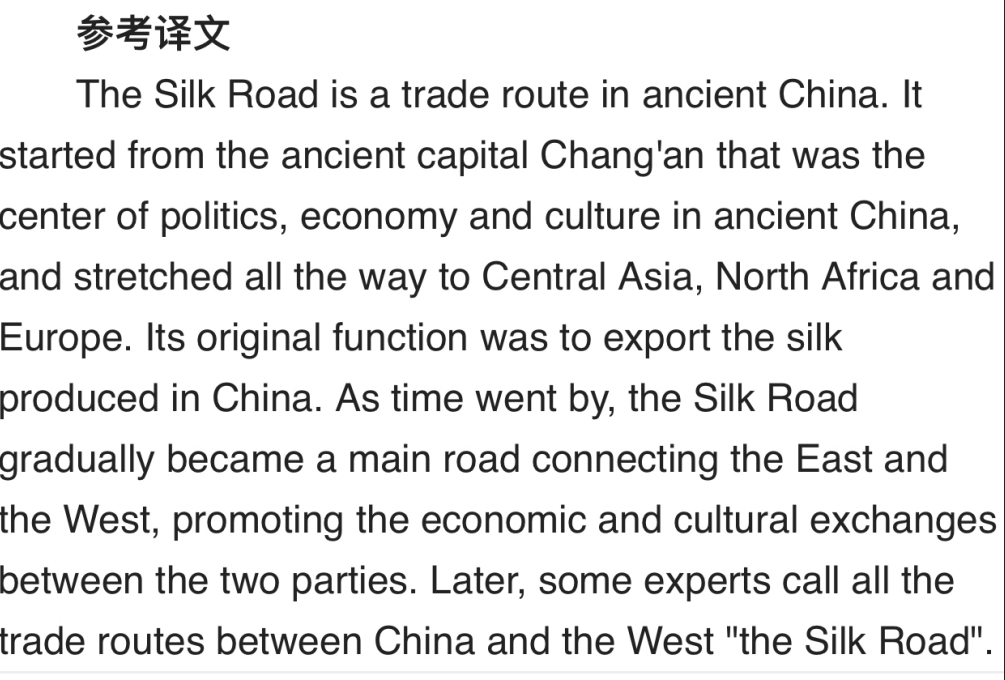
Passage 2:Silk road


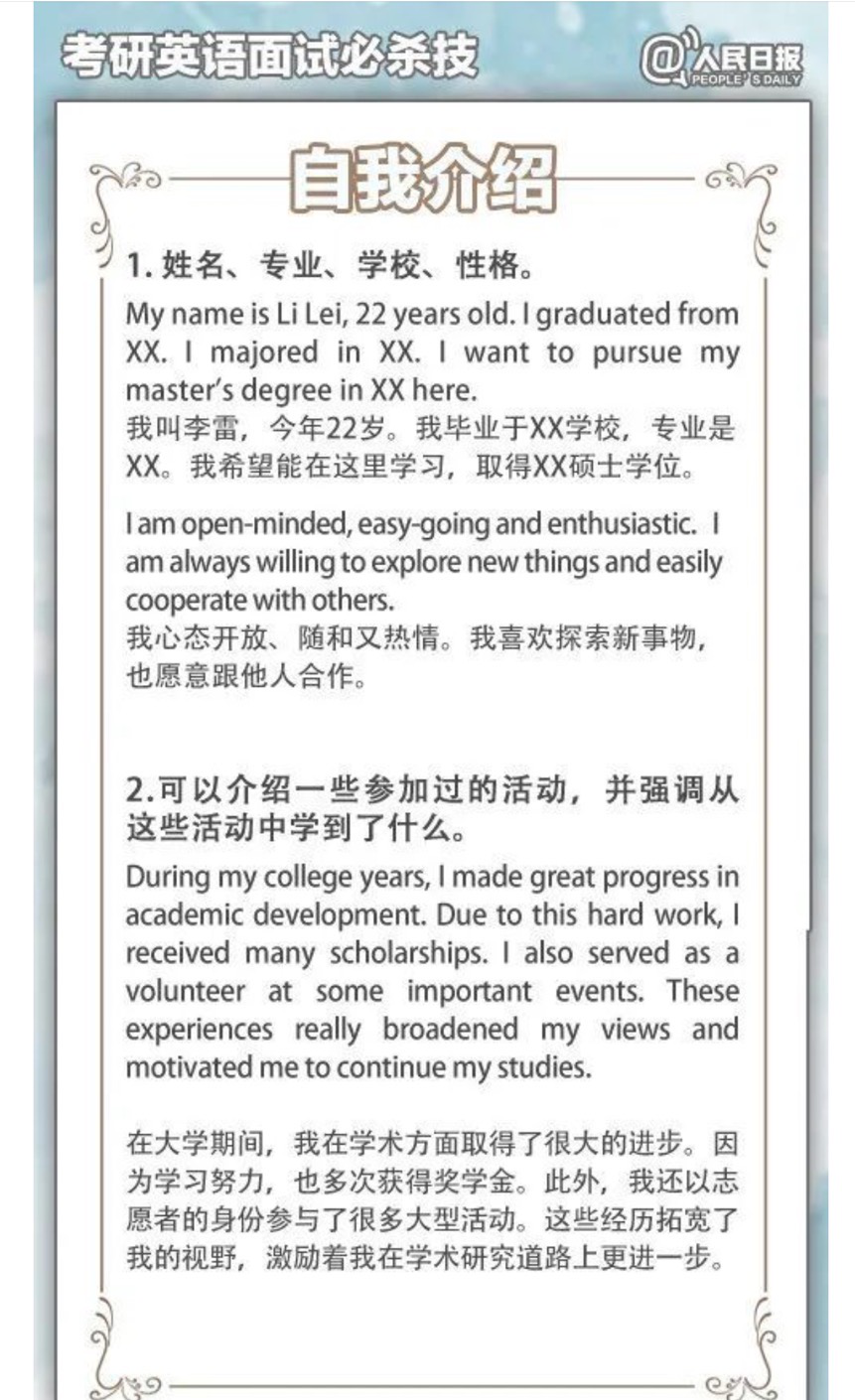
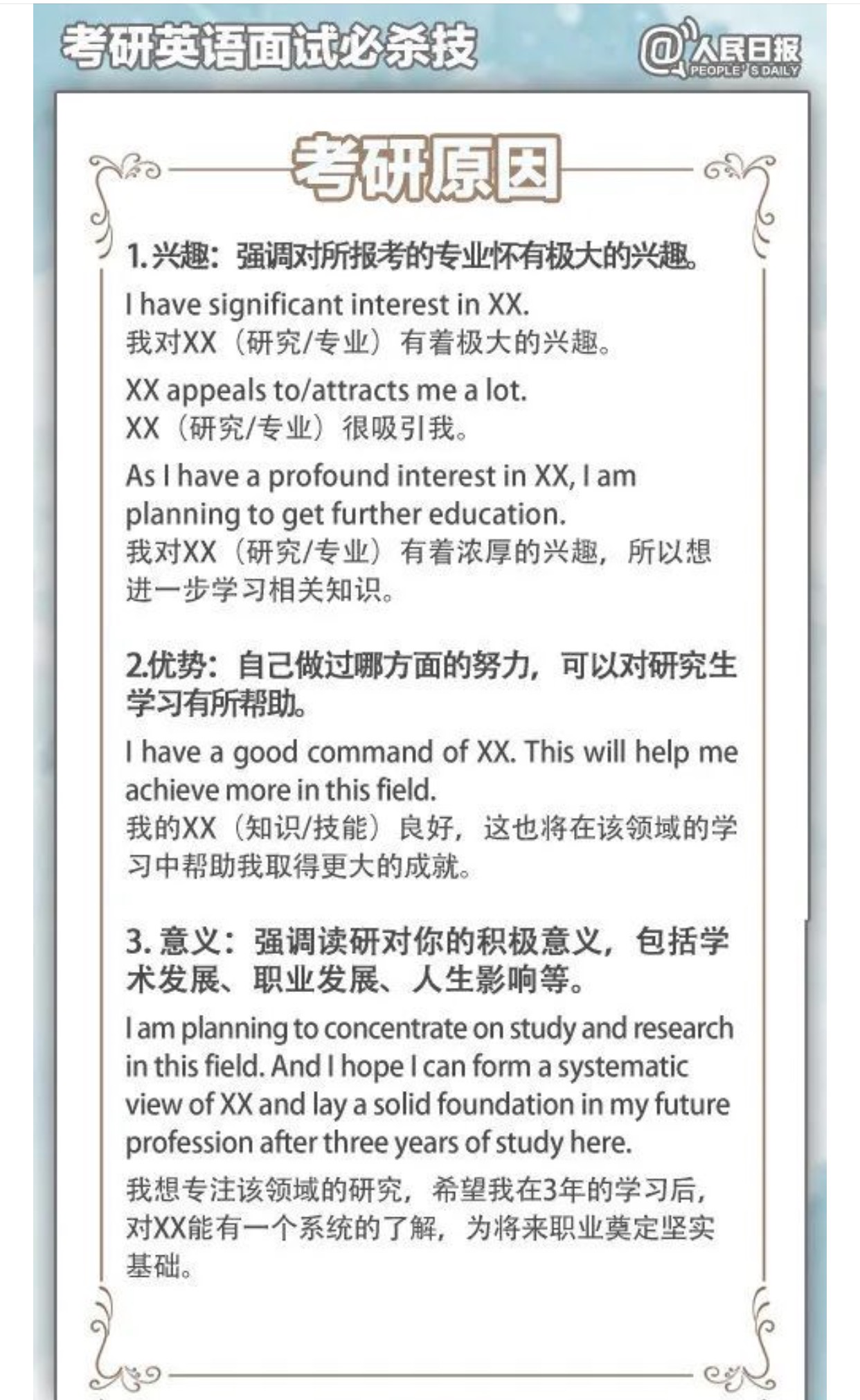
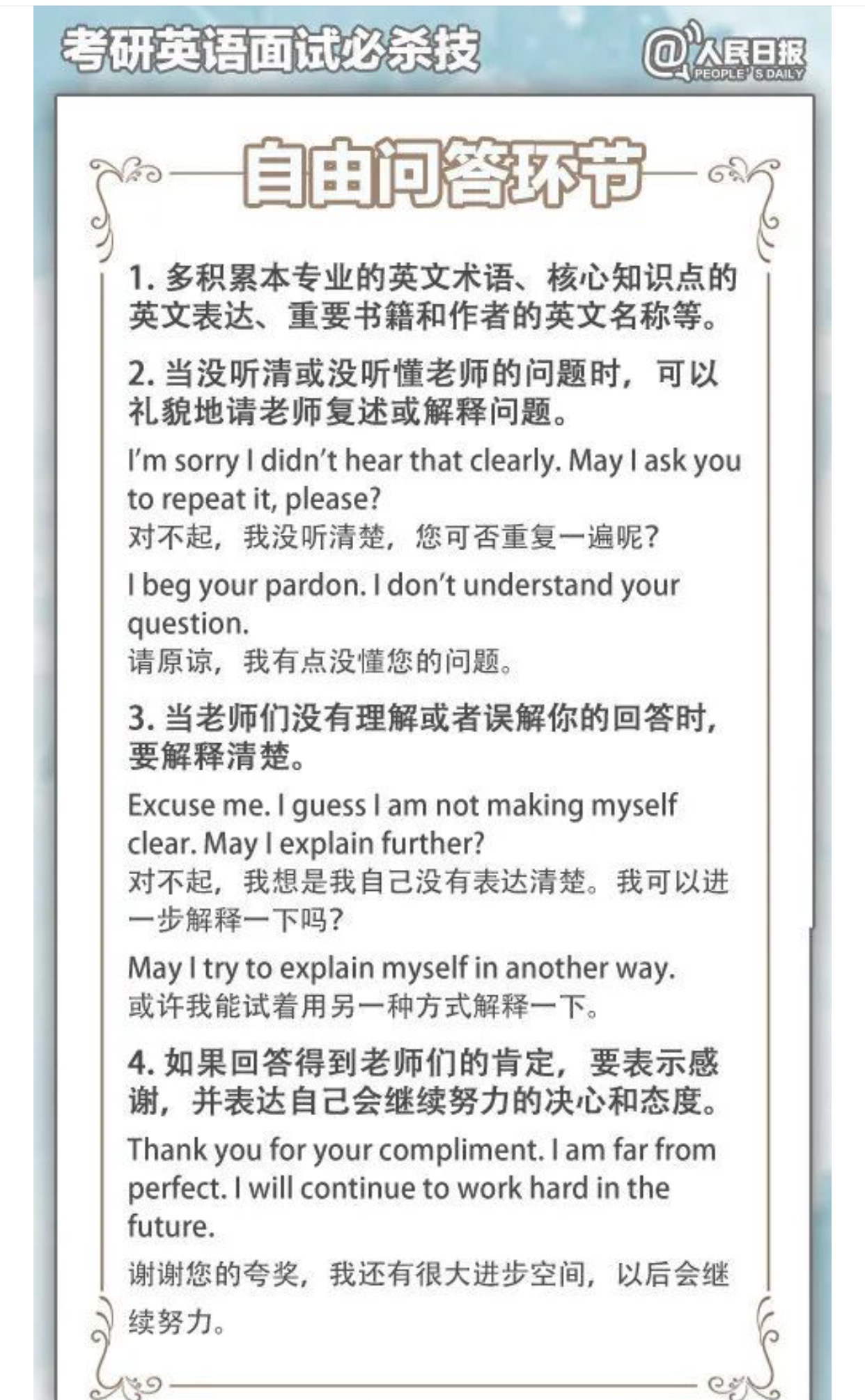
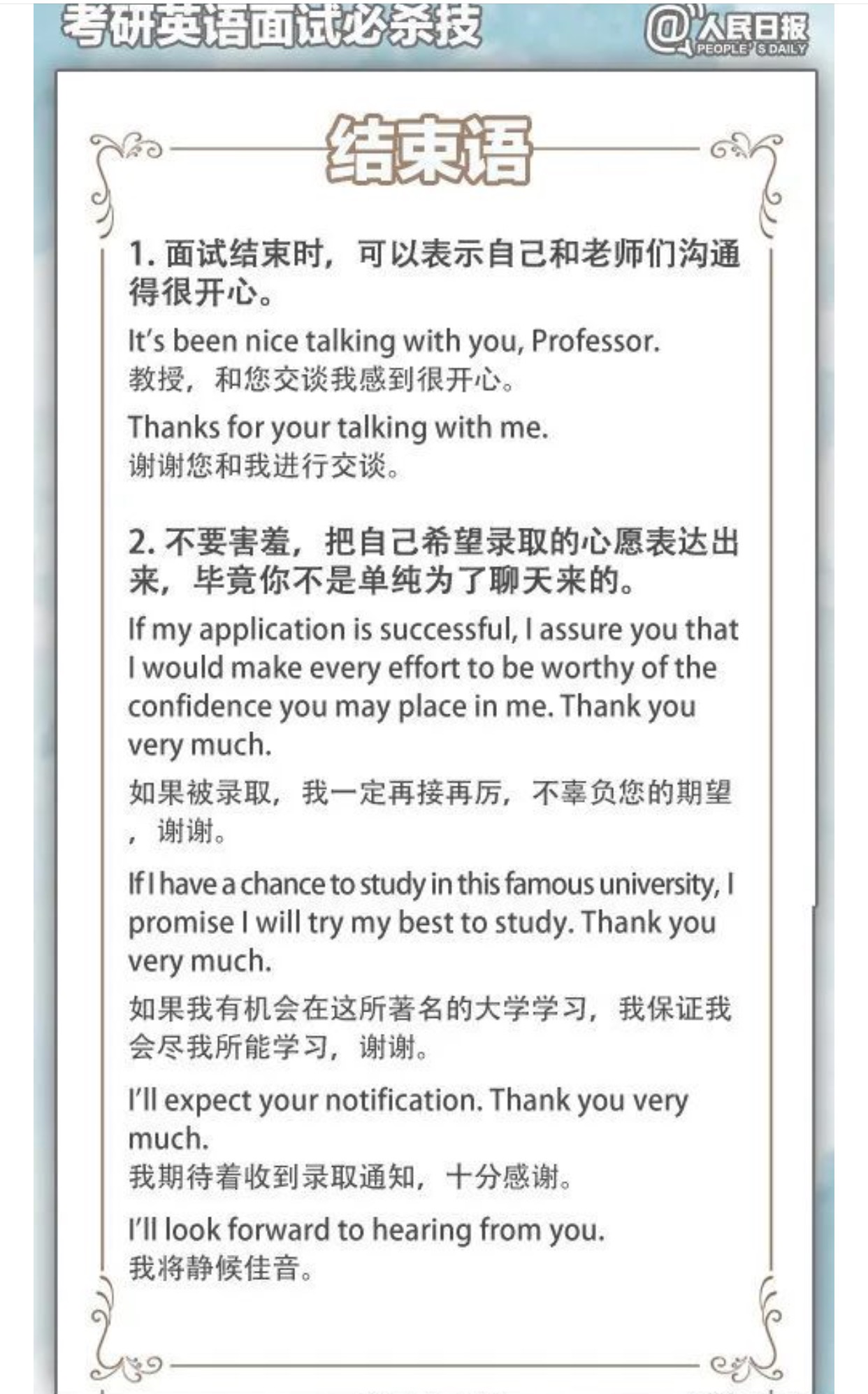
4. 考研及面试之自我介绍英语必杀技(依据个人情况准备自己的材料)
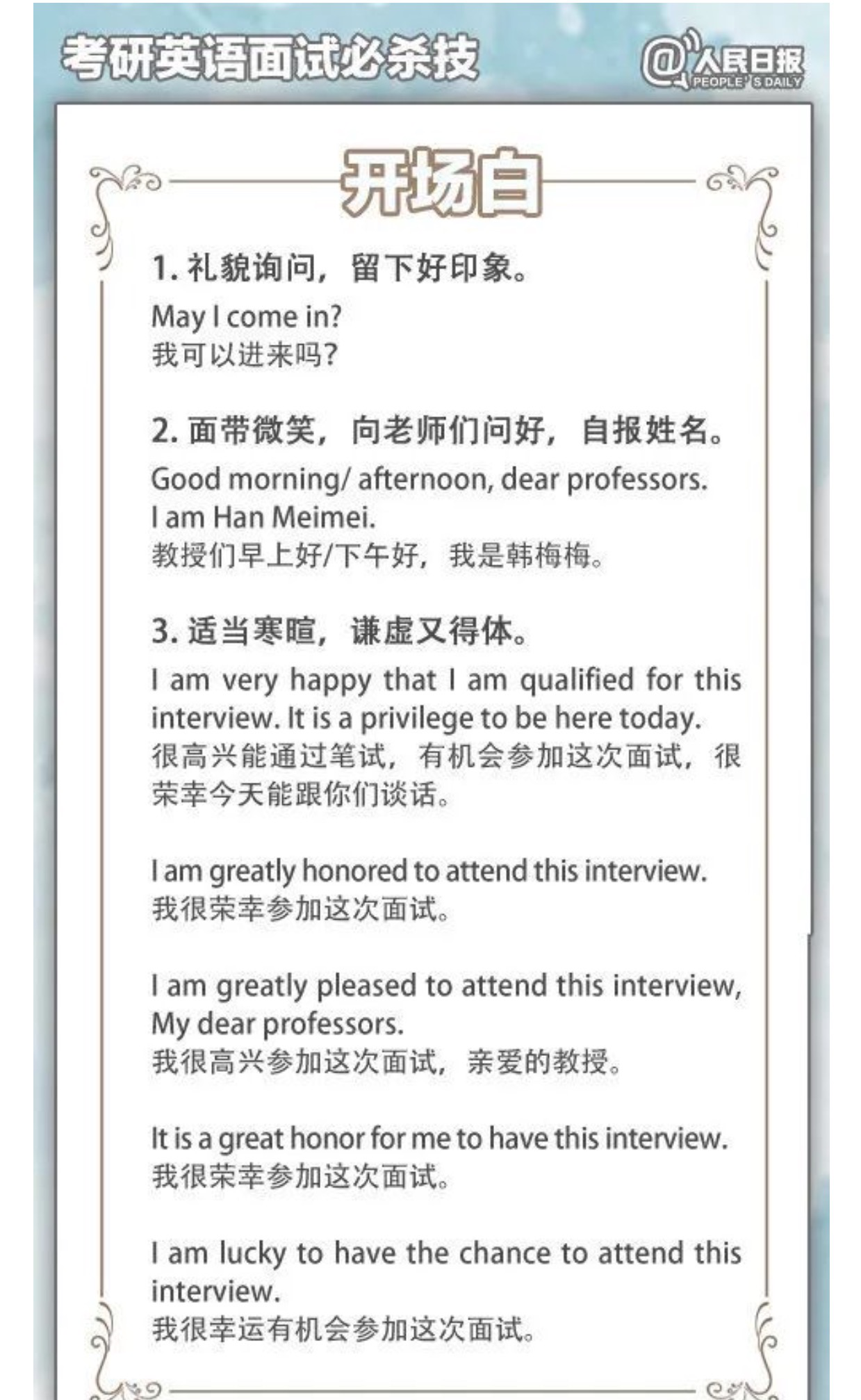


(请同学们提交一份Self-introduction个人介绍至作业区)