目录

  • 1 An Introduction
    • 1.1 Warm-up Cases
    • 1.2 Culture
    • 1.3 Assignments
  • 2 Unit 1 Languages: Chinese vs English
    • 2.1 Flipped Classroom tasks
    • 2.2 Section A The Chinese Language
      • 2.2.1 第一课时
      • 2.2.2 第二课时
    • 2.3 Section B The English language
      • 2.3.1 第一课时
      • 2.3.2 第二课时
    • 2.4 Assignments
  • 3 Unit 2: Clothing and Dress Codes
    • 3.1 Flipped Classroom tasks
    • 3.2 Section A  Chinese Clothing
      • 3.2.1 第一课时
      • 3.2.2 第二课时
    • 3.3 Section B Western Suits and Dress Codes
      • 3.3.1 第一课时
      • 3.3.2 第二课时
    • 3.4 Assignments
  • 4 Unit 3  Cuisine and Dining Etiquette
    • 4.1 Flipped Classroom tasks
    • 4.2 Section A  Chinese Cuisine and Dining Etiquette
      • 4.2.1 第一课时
      • 4.2.2 第二课时
    • 4.3 Section B  Cuisine and Dining Etiquette in the West
      • 4.3.1 第一课时
      • 4.3.2 第二课时
    • 4.4 Assignments
  • 5 Unit 4 Alcoholic Drinks and Drinking Culture
    • 5.1 Flipped Classroom tasks
    • 5.2 Section A  Chinese Alcoholic Drinks and drinking culture
      • 5.2.1 第一课时
      • 5.2.2 第二课时
    • 5.3 Section B wine and wine etiquette
      • 5.3.1 第一课时
      • 5.3.2 第二课时
    • 5.4 Assignments
  • 6 Unit 5 Leisure time drinks:Tea and coffee
    • 6.1 Flipped classroom tasks
    • 6.2 Section A Chinese tea and tea culture
      • 6.2.1 第一课时
      • 6.2.2 第二课时
    • 6.3 Section B Afternoon tea and coffee culture in the west
      • 6.3.1 第一课时
      • 6.3.2 第二课时
    • 6.4 Assignments
  • 7 Unit 6 Festivals and celebrations
    • 7.1 Flipped classroom tasks
    • 7.2 Section A Festivals and celebrations in China
      • 7.2.1 第一课时
      • 7.2.2 第二课时
    • 7.3 Section B Festivals and celebrations in English-speaking countries
      • 7.3.1 第一课时
      • 7.3.2 第二课时
    • 7.4 Assignments
  • 8 Unit 7 Medicine and fitness
    • 8.1 Flipped classroom tasks
    • 8.2 Section A Traditional  Chinese medicine and exercises
      • 8.2.1 第一课时
      • 8.2.2 第二课时
    • 8.3 Section B Western medicine and fitness
      • 8.3.1 第一课时
      • 8.3.2 第二课时
    • 8.4 Assignments
  • 9 Unit 9 Traffic and transport
    • 9.1 Flipped classroom tasks
    • 9.2 Section A  Traffic and transport in China
      • 9.2.1 第一课时
      • 9.2.2 第二课时
    • 9.3 Section BTraffic and transport in English-speaking countries
      • 9.3.1 第一课时
      • 9.3.2 第二课时
    • 9.4 Assignments
Flipped Classroom tasks

                                                           学习目标

 Learning Objectives :

1. Know the differences between the Chinese and English clothing.

2. Know some detail information about the Chinese clothing.

3. Know some detail information about the western suits and dress codes.


                                                          章节任务

Assignment:

1. Homework feedback

2. Lead-in

3. Case study

4. Vocabulary study

5. Homework

1. Homework feedback

挑选优秀学生作业展示

2. Lead-in

中西服饰对比欣赏:

中国服饰:


西方服饰:


“What is it about wearing a tuxedo or that little black dress, that makes us feel confident, beautiful, splendid, even invincible?
We put on formal wear and suddenly we become extraordinary.
On the days when you feel low and invisible, why not try this on for size: imagine you are wearing a fantastic tailored tuxedo or a stunning formal gown. And then proceed with your day.”

 
                         ― Vera Nazarian, The Perpetual Calendar of Inspiration

Discussion 1:


Discussion 2:


3. Case study

案例:

A Chinese boss went to Iran for business, the Iran working partner gave them a warm greeting party. The secretary Xiao Han wore the tight white shirt without sleeves, blue working skirt in order to show Chinese business womans grace and working ability. Besides, she got the beverage with the left hand which the host gave her and showed gratitude to him as well. But their business trip was in vain at last.

分析:

    中国老板小张带领团队首次去伊朗洽谈生意,东道主合作方为表示对先生一行的欢迎,特意举行了欢迎晚会。秘书韩小姐希望以自己简洁、脱俗的服饰向众人展示中国妇女的精明、能干、美丽、大方。她上穿白色无袖紧身上衣,下穿蓝色工作裙,在众人略显异样的眼光中步人会场。为表示敬意,主人向每一位中国来宾递上饮料,当习惯使用左手的韩小姐很自然地伸出左手接饮料时,主人立即改变了神色,并很不礼貌地将饮料放在了餐桌上。令先生一行不解的是,在接下来的会谈中,一向很有合作诚意的东道主没有再和他们进行任何实质性的会谈。 
    伊朗人的着装比较保守,特别是妇女,一般情况下会用一大块黑布将自己包裹得严严实实,只将双眼露在外面,即便是外国妇女也不可以穿太暴露的服装。韩小姐的无袖紧身上衣和短裙,都是伊朗人所不能接受的。同时,在伊朗左手被视为不洁之手,一般用于洁身之用,用左手递接物品或行礼被公认为是一种蓄意侮辱别人的行为。 

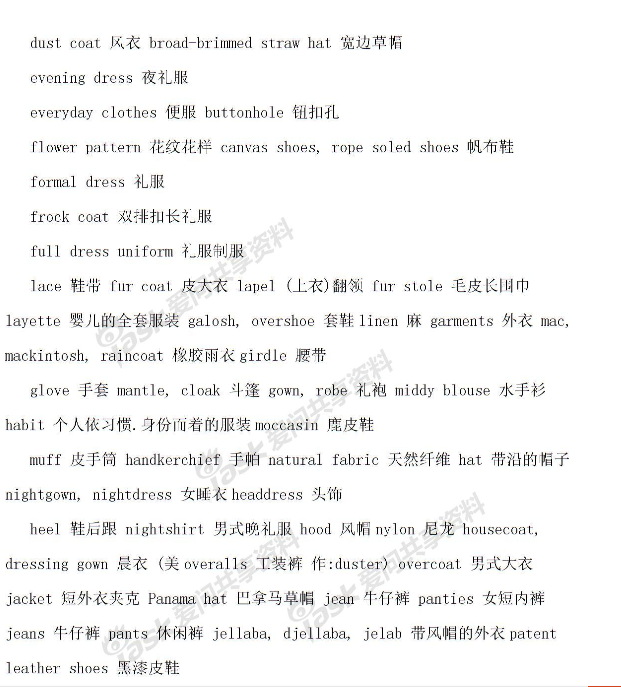
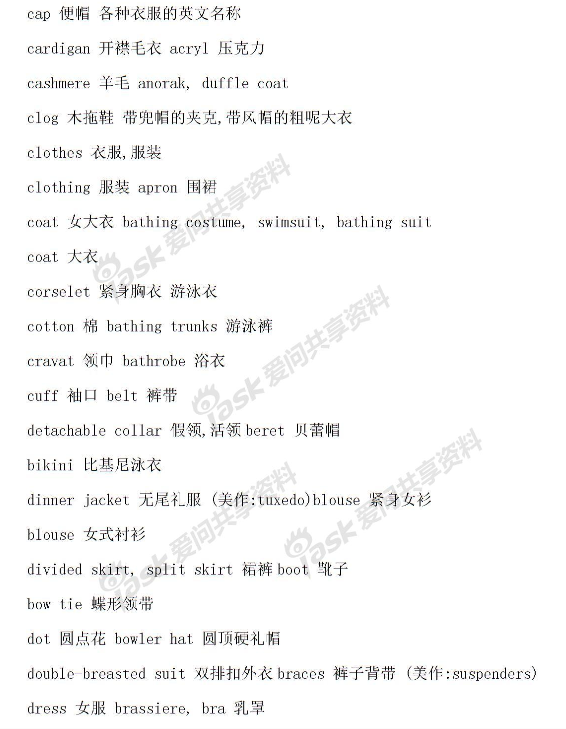
4. Vocabulary study

5. Homework

(1)Task 1: Watch the video  about the how foreign media look at the revival of Hanfu .(请同学们点击下方链接观看视频)

Young people in China want traditional Han clothing back in fashion

更多汉服知识请同学们点击后放链接阅读:汉服

(2)Task 2: Read Passage 1 and find out how Chinese traditional clothes changed from the Xia, Shang and Zhou dynasties to the Qing Dynasty.(请同学们阅读passage 1找出中国传统服饰的演变)