
O. Henry
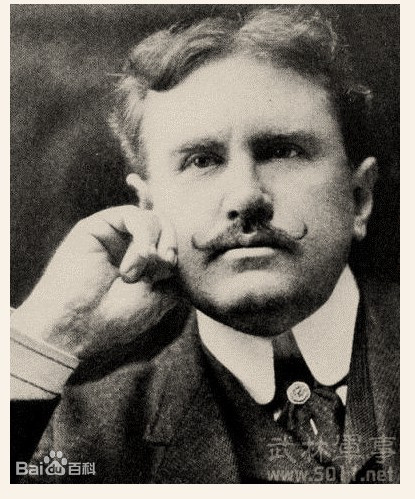
O. Henry, pseudonym of William Sydney Porter, original name William Sidney Porter, (born September 11, 1862, Greensboro, North Carolina, U.S.—died June 5, 1910, New York, New York), American short-story writer whose tales romanticized the commonplace—in particular the life of ordinary people in New York City. His stories expressed the effect of coincidence on character through humour, grim or ironic, and often had surprise endings, a device that became identified with his name and cost him critical favour when its vogue had passed.
Porter attended a school taught by his aunt, then clerked in his uncle’s drugstore. In 1882 he went to Texas, where he worked on a ranch, in a general land office, and later as teller in the First National Bank in Austin. He began writing sketches at about the time of his marriage to Athol Estes in 1887, and in 1894 he started a humorous weekly, The Rolling Stone. When that venture failed, Porter joined the Houston Post as reporter, columnist, and occasional cartoonist.
In February 1896 he was indicted for embezzlement of bank funds. Friends aided his flight to Honduras. News of his wife’s fatal illness, however, took him back to Austin, and lenient authorities did not press his case until after her death. When convicted, Porter received the lightest sentence possible, and in 1898 he entered the penitentiary at Columbus, Ohio; his sentence was shortened to three years and three months for good behaviour. As night druggist in the prison hospital, he could write to earn money for support of his daughter Margaret. His stories of adventure in the southwest U.S. and Central America were immediately popular with magazine readers, and when he emerged from prison W.S. Porter had become O. Henry.
In 1902 O. Henry arrived in New York—his “Bagdad on the Subway.” From December 1903 to January 1906 he produced a story a week for the New York World, writing also for magazines. His first book, Cabbages and Kings (1904), depicted fantastic characters against exotic Honduran backgrounds. Both The Four Million (1906) and The Trimmed Lamp (1907) explored the lives of the multitude of New York in their daily routines and searchings for romance and adventure. Heart of the West (1907) presented accurate and fascinating tales of the Texas range.
Then in rapid succession came The Voice of the City (1908), The Gentle Grafter (1908), Roads of Destiny (1909), Options (1909), Strictly Business (1910), and Whirligigs (1910). Whirligigs contains perhaps Porter’s funniest story, “The Ransom of Red Chief.”
Despite his popularity, O. Henry’s final years were marred by ill health, a desperate financial struggle, and alcoholism. A second marriage in 1907 was unhappy. After his death three more collected volumes appeared: Sixes and Sevens (1911), Rolling Stones (1912), and Waifs and Strays (1917). Later seven fugitive stories and poems, O. Henryana (1920), Letters to Lithopolis (1922), and two collections of his early work on the Houston Post, Postscripts (1923) and O. Henry Encore (1939), were published. Foreign translations and adaptations for other art forms, including films and television, attest his universal application and appeal.
欧·亨利(O.Henry,1862年9月11日—1910年6月5日),又译奥·亨利,原名威廉·西德尼·波特(William Sydney Porter),美国短篇小说家、美国现代短篇小说创始人,其主要作品有《麦琪的礼物》、《警察与赞美诗》、《最后一片叶子》、《二十年后》等。
1862年9月11日,欧·亨利生于美国北卡罗莱纳州格林斯伯勒,曾当过银行职员、药剂师等。1896年2月,欧·亨利因受到盗用公款的指控入狱,后逃亡洪都拉斯。1898年再次入狱,期间开始发表作品。1902年,欧·亨利移居纽约,成为职业作家。1910年6月5日,欧·亨利因肝硬化在美国纽约去世。欧·亨利与契诃夫和莫泊桑并列世界三大短篇小说巨匠,曾被评论界誉为曼哈顿桂冠散文作家和美国现代短篇小说之父,他的作品有“美国生活的百科全书”之誉。
1885年,欧·亨利认识了一位名叫阿索尔·埃斯蒂斯(Athol Estes)的17岁的姑娘,当时她还在中学念书。欧·亨利当时是吉他手和琴师。欧·亨利追求了她两年。1887年7月1日夜,也就是阿索尔·埃斯蒂斯才念完中学的那天晚上,她瞒着父母与欧·亨利双双跑到奥斯汀的一位牧师家结婚,请他证婚。这位牧师虽没料到两位年轻人夜里跑来结婚,但见他们已经成人,便顺水推舟,给他们证了婚。于是,他便于1887年7月1日夜与阿索尔·埃斯蒂斯结了婚。婚后,阿索尔·埃斯蒂斯改名为阿索尔·波特(Athol Porter)。姑娘的母亲本希望她嫁个有钱人,得知此事后十分生气,竟数月不肯上教堂,更不理那位牧师。不过,这一次婚姻只持续了10年。1897年,欧·亨利的妻子因病去世。
1907年,欧·亨利跟早年时代的恋人莎拉·林德赛·科尔曼结婚,次年离婚。
欧·亨利式结尾(O. Henry-style ending )
所谓“欧·亨利式结尾”,通常指短篇小说大师们常常在文章情节结尾时突然让人物的心理情境发生出人意料的变化,或使主人公命运陡然逆转,出现意想不到的结果,既在意料之外,又在情理之中。给人以出乎意料的感觉,又不得不承认他的合情合理。一般可以更好的刻画人物形象,丰富故事的内容。这种结尾艺术,在欧·亨利的作品中有充分的体现。故被称为“欧·亨利式结尾”。
欧·亨利一生共创作了三百篇短篇小说和一部长篇小说,著名的短篇小说有《麦琪的礼物》、《警察与赞美诗》和《最后的藤叶》等。以下为两个例子。
①《警察与赞美诗》中,综观全文苏比曾几次惹事生非,想进监狱得以安身,可他总是“背运”。当苏比受到赞美诗的感化,欲改邪归正时,警察却以“莫须有”的罪名将他投入了监狱。在所有人都认为苏比将要平安度过一生之时警察出现了并将他带上了法庭。这是典型的“欧·亨利式结尾”就犹如看见黎明的人又跌入黑暗一般,让读者的心一揪,回味无穷,发人深省,久久难以忘怀。而欧·亨利就很好地运用了这种方法,并借此深刻地反映社会善恶不分的现实。
②《最后的藤叶》中,老画家一直要画一副传世之作,面对邻居请求时冷漠无比,甚至让人讨厌,一副这个女人的死跟我有啥关系的形象。然后当病人数着落叶等死时,一夜风雨过后仍然挺立的枯叶,让她重燃了生活的希望,逐渐开始康复。就在大家以为这是个普通的医学奇迹时,女主角几句话让剧情陡然而变。那片救了人的枯叶就是令人讨厌的老画家半夜冒风雨画上去的,而在完成这幅传世之作后,老画家可能因为活下去的希望没了,在感染了肺结核后没有挺过来。突然整个充满寒意的社会关系变得暖暖的让人感动。而老画家通过一个画上去的枯叶完成了生命与希望的传承,这幅画更是无愧一开始提到的绝世之画。
The Cop and the Anthem
The character Soapy, is homeless, amember of the substantial army of underclass men and women who had flocked toNew York City during the earliest years of the twentieth century. In anunstated day in late fall, Soapy faces the urgent necessity of finding somesort of shelter for the winter. As with many other homeless people in theUnited States, Soapy is psychologically experienced in thinking of the localjail as a homeless shelter. He thereforedevelops a series of tactics intended to encourage the police to classify himas a criminal and arrest him.
Firstly,he tried to go have dinner and not pay and get put in jail for that. Theupper-class restaurant looks at Soapy‘ s threadbare(衣衫褴褛的)clothes and refuses to serve him. Waiterthrew him out because his clothes looked like a bum's.
Then he threw a brick through a window. Officer didn't believe he did it because he hung around.
Thethird time, he ate dinner at a cheap restaurant, and said that he couldn'tpay. The waiter just had some guys throwhim out.
Hetried to molest a woman, but she didn't call for the cops because she was aprostitute.
Thefifth time he acted drunk but the cop thought he was a college studentcelebrating a win in a football game.
Thenhe tried to steal another man's umbrella. But the victim of the umbrella theftrelinquishes the item without a struggle. Because it is also not his umbrella.
His attempts fail, he passed by a churchand heard the Sabbath(安息日) anthem .The influences about the old churchwrought a sudden and wonderful change in his soul. He viewed with swift horrorthe pit into which he had tumbled, the degraded days, unworthy desires, deadhopes, wrecked faculties, and base motives that made up his existence.Soapy decides that on the very next day he will seek out this potential mentorand apply for employment.
Atthat time Soapy felt a hand laid on his arm. He looked quickly round into thebroad face of a policeman.
“Whatare you doing there?” asked the officer.
“Nothing’,”said Soapy.
“Thencome along,” said the policeman.
“Threemonths on the Island,” said the Magistrate in the Police Court the nextmorning.
《警察与赞美诗》
《警察与赞美诗》是美国作家欧·亨利的短篇小说。该短篇小说讲述的是一个穷困潦倒,无家可归的流浪汉苏比,因为寒冬想去监狱熬过,所以故意犯罪,去饭店吃霸王餐,扰乱治安,偷他人的伞,调戏妇女等,然而这些都没有让他如愿进监狱;最后,当他在教堂里被赞美诗所感动,想要从新开始,改邪归正的时候,警察却将他送进了监狱。该小说展示了当时美国下层人民无以为生的悲惨命运。
苏比面对着寒冷与饥饿,而要解决这些问题,他有两种选择:第一是承受巨大的精神屈辱,到政府救济机关领取施舍,第二则是进监狱。他经过一番考虑之后,决定去监狱待三个月,这样的决定对于平常人而言,的确无法理解,而对于苏比而言这完全是出于无奈,而且他为达成这一目标,费尽心思。
一开始他希望通过去豪华的餐馆里白吃一顿饭的方法,然后被逮捕送进监狱;但是他的这一想法落空了,当他刚要进入餐馆,因为他破烂的衣着,餐馆领班和侍者就将他哄了出去。无奈之下,他只好开始第二个行动,他来到六号大街拐角处,用一块鹅卵石将一家商店的橱窗砸碎了,他站在那里等着警察到来,然而警察认为真正的肇事者肯定会立马逃跑,虽然苏比向警察坦白说是自己干的,但是警察却不理睬他,而是去抓一个正在追赶汽车的人。
苏比只好继续制造被抓的机会,他来到一家普通的餐馆,大吃一顿之后直接告诉侍者他没有钱,可以叫警察来抓他;谁知道侍者并没有叫警察,因为他清楚地知道对于这种小事,警察才不会管,于是便将苏比抬出去,扔到了街上。
苏比懊恼万分,一直走向前走,继续寻找机会让警察逮捕自己。
他注意到在一家商店的橱窗前,有一个少妇风姿可人,而一个警察就在不远处。苏比假装成地痞流氓,上前去调戏这个少妇,然而对于他的举动,警察竟然熟视无睹。苏比十分无奈,来到一家雪茄烟店里,看到一把雨伞, 便偷了过来,还与穿着体面的雨伞主人争吵起来,一直强调这把雨伞是自己的,还说把警察叫过来,解决问题。然而,十分出乎他意料的是,雨伞主人竟然主动放弃了,说那把雨伞本来就不是自己的,是自己之前捡到的, 现在将它物归原主。苏比再次失败,便继续前行,一直走到一个幽静古雅的旧式教堂中,看到风琴师正在苦练赞美诗。
赞美诗熟悉的曲子,让苏比回想起了过去,一幕幕美好的画面,让他认识到自己曾经也有母爱、朋友、理想,有体面的生活,有纯洁的思想。
他感慨良多,认为自己还年轻,还能够通过不断的进取,实现自己的理想,他希望自己可以重新做人。于是他决定明天就去找一份工作,去做一个有所作为的人。
然而就在他决心重新做人,憧憬美好未来的时候,一只手落到了他的肩膀上,他被逮捕了,被无端地送进了监狱,判处三个月的监禁。

