目录

  • 1 BA3 Introduction
    • 1.1 Syllabus/ 课程大纲
    • 1.2 Teaching plan/ 授课计划
    • 1.3 CIMA100 /CIMA百年
    • 1.4 Studying Resource/ 学习资源
    • 1.5 Course assessment/ 课程考核
    • 1.6 Course video/ 知识点视频
    • 1.7 Office hour/ 答疑时间
  • 2 Chapter 1 Accounting Environment
    • 2.1 Learning objectives/ 学习目标
    • 2.2 Further reading/拓展阅读
    • 2.3 Course video/ 知识点视频
    • 2.4 Chapter practice/ 章节测试
  • 3 Chapter 2 The regulatory framework
    • 3.1 Learning objectives/ 学习目标
    • 3.2 Further reading/拓展阅读
    • 3.3 Course video/ 知识点视频
    • 3.4 Chapter practice/ 章节测试
  • 4 Chapter 3 Ledger accounting and double-entry bookkeeping
    • 4.1 Learning objectives/ 学习目标
    • 4.2 Further reading/拓展阅读
    • 4.3 Course video/ 知识点视频
    • 4.4 Chapter practice/ 章节测试
  • 5 Chapter 4 From trial balance to financial statements
    • 5.1 Learning objectives/ 学习目标
    • 5.2 Further reading/拓展阅读
    • 5.3 Course video/ 知识点视频
    • 5.4 Chapter practice/ 章节测试
  • 6 Chapter 5 Sales Tax
    • 6.1 Learning objectives/ 学习目标
    • 6.2 Further reading/ 拓展阅读
    • 6.3 Course video/ 知识点视频
    • 6.4 Chapter practice/ 章节测试
  • 7 Chapter 6 Accruals and prepayments
    • 7.1 Learning objectives/ 学习目标
    • 7.2 Further reading/拓展阅读
    • 7.3 Course video/ 知识点视频
    • 7.4 Chapter practice/ 章节测试
  • 8 Chapter 7 Payroll accounting
    • 8.1 Learning objectives/ 学习目标
    • 8.2 Further reading/拓展阅读
    • 8.3 Course video/ 知识点视频
    • 8.4 Chapter practice/ 章节测试
  • 9 Chapter 8 Issue of Share
    • 9.1 Learning objectives/ 学习目标
    • 9.2 Further reading/拓展阅读
    • 9.3 Course video/ 知识点视频
    • 9.4 Chapter practice/ 章节测试
  • 10 Chapter 9 Irrecoverable debts and allowances
    • 10.1 Learning objectives/ 学习目标
    • 10.2 Further reading/拓展阅读
    • 10.3 Course video/ 知识点视频
    • 10.4 Chapter practice/ 章节测试
  • 11 Chapter 10 Inventory
    • 11.1 Learning objectives/ 学习目标
    • 11.2 Further reading/拓展阅读
    • 11.3 Course video/ 知识点视频
    • 11.4 Chapter practice/ 章节测试
  • 12 Chapter 11-12 Tangible non-current assets
    • 12.1 Learning objectives/ 学习目标
    • 12.2 Further reading/拓展阅读
    • 12.3 Course video/ 知识点视频
    • 12.4 Chapter practice/ 章节测试
  • 13 Chapter 13 reconciliations
    • 13.1 Learning objectives/ 学习目标
    • 13.2 Chapter slides/ 章节课件
    • 13.3 Further reading/拓展阅读
    • 13.4 Chapter practice/ 章节测试
  • 14 Chapter 14 Incomplete records
    • 14.1 Learning objectives/ 学习目标
    • 14.2 Chapter slides/ 章节课件
    • 14.3 Course video/ 知识点视频
    • 14.4 Chapter practice/ 章节测试
  • 15 Chapter 15 Correction of errors
    • 15.1 Learning objectives/ 学习目标
    • 15.2 Further reading/拓展阅读
    • 15.3 Course video/ 知识点视频
    • 15.4 Chapter practice/ 章节测试
  • 16 Chapter 16 The financial statements of single
    • 16.1 Learning objectives/ 学习目标
    • 16.2 Further reading/拓展阅读
    • 16.3 Course video/ 知识点视频
    • 16.4 Chapter practice/ 章节测试
  • 17 Chapter 17 Manufacturing accounts
    • 17.1 Learning objectives/ 学习目标
    • 17.2 Further reading/拓展阅读
    • 17.3 Course video/ 知识点视频
    • 17.4 Chapter practice/ 章节测试
  • 18 Chapter 18 Statements of cash flows
    • 18.1 Learning objectives/ 学习目标
    • 18.2 Further reading/拓展阅读
    • 18.3 Course video/ 知识点视频
    • 18.4 Chapter practice/ 章节测试
  • 19 Chapter 19 Interpreting company accounts
    • 19.1 Learning objectives/ 学习目标
    • 19.2 Further reading/拓展阅读
    • 19.3 Course video/ 知识点视频
    • 19.4 Chapter practice/ 章节测试
Learning objectives/ 学习目标

Learning objectives

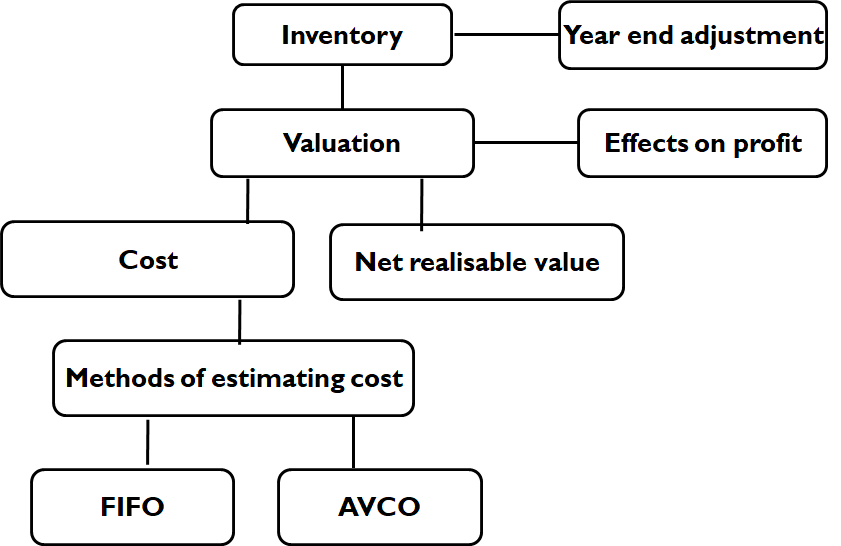
Understand the use of continuous and period end inventory records.

Calculatethe value of closing inventory using 'first in, first out' and 'average cost'.

Recognise the need for adjustments forinventory in preparing financial statements.

Record opening and closing inventory.

Recognise which costs should be included in valuing inventories.

Identify the alternative methods of valuing inventory.

Understand and apply the IASB requirements for valuing inventories.

Understand the impact of accounting conceptsonthe valuation of inventory.

Identify the impactof inventory valuation methodson profit and on assets.


Overview