
目录

  • 1 Getting Started
    • 1.1 Academic Calendar
    • 1.2 Courseware
  • 2 Unit 1 Language and Language Learning
    • 2.1 Period 1
    • 2.2 Period 2
  • 3 Unit 2 Communicative Principles and TBLT
    • 3.1 Period 1
    • 3.2 Period 2
  • 4 Unit 3 The National English Curriculum
    • 4.1 Period 1
    • 4.2 Period 2
    • 4.3 New Curricula
  • 5 Unit 4 Lesson Planning
    • 5.1 Period 1
    • 5.2 Period 2
  • 6 Unit 5 Classroom Management
    • 6.1 Period 1
    • 6.2 Period 2
  • 7 Unit 6 Teaching Pronunciation
    • 7.1 本课程教学实践参考要求
    • 7.2 英语1512
    • 7.3 英语1612
    • 7.4 英语1712
    • 7.5 英语181、182
    • 7.6 英语191
    • 7.7 英语202
  • 8 Unit 7 Teaching Grammar
    • 8.1 英语1512
    • 8.2 英语1612
    • 8.3 英语1712
    • 8.4 英语181、182
    • 8.5 英语191
    • 8.6 英语202
  • 9 Unit 8 Teaching Vocabulary
    • 9.1 英语1512
    • 9.2 英语1612
    • 9.3 英语1712
    • 9.4 英语181、182
    • 9.5 英语191
    • 9.6 英语202
  • 10 Unit 9 Teaching Listening
    • 10.1 英语1512
    • 10.2 英语1612
    • 10.3 英语1712
    • 10.4 英语181、182
    • 10.5 英语191
    • 10.6 英语202
  • 11 Unit 10 Teaching Speaking
    • 11.1 英语1512
    • 11.2 英语1612
    • 11.3 英语1712
    • 11.4 英语181、182
    • 11.5 英语191
    • 11.6 英语202
  • 12 Unit 11 Teaching Reading
    • 12.1 英语1512
    • 12.2 英语1612
    • 12.3 英语1712
    • 12.4 英语181、182
    • 12.5 英语191
    • 12.6 英语202
  • 13 Unit 12 Teaching Writing
    • 13.1 英语1512
    • 13.2 英语1612
    • 13.3 英语1712
    • 13.4 英语181、182
    • 13.5 英语191
    • 13.6 英语202
  • 14 Unit 13 Integrated Skills
    • 14.1 英语1712
    • 14.2 英语191
    • 14.3 英语202
  • 15 Unit 14 Moral Learning
    • 15.1 Period 1
    • 15.2 Period 2
  • 16 Unit 15 Assessment in Language Teaching
    • 16.1 Period 1
    • 16.2 Period 2
  • 17 Unit 16 Learner Differences and Learner Training
    • 17.1 Period 1
    • 17.2 Period 2
  • 18 Unit 17 Using and Creating Resources
    • 18.1 Period 1
    • 18.2 Period 2
  • 19 Unit 18 Evaluating and Adapting Textbooks
    • 19.1 Period 1
    • 19.2 Period 2
Period 2
  • 1 课程内容
  • 2 课件
  • 3 教案
  • 4 练习
  • 5 拓展


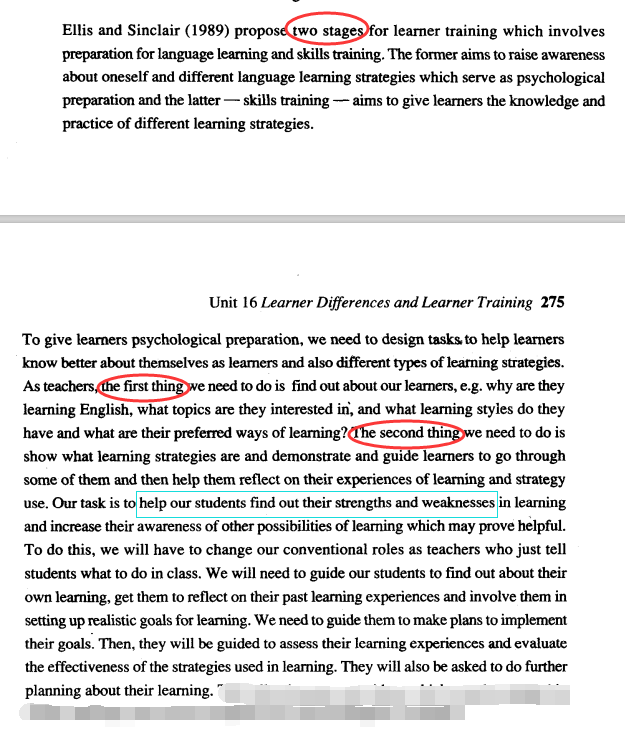
4)Stages for learner training(Ellis and Sinclair:1989):
   Language learning---raise awareness about oneself and different language learning strategies---psychological preparation
   Skills training---give learners the knowledge and practice of different learning strategies
5) What teachers should do:

First, to find out about our learners;

Second, to show the students what learning strategies are and demonstrate and guide learners to go through some of them and then help them reflect on their experiences of learning and strategy use.

6) Some ideas for learner training
  (1) Involve students in an overview of the textbook at the beginning
  (2) Involve students in finding out about themselves
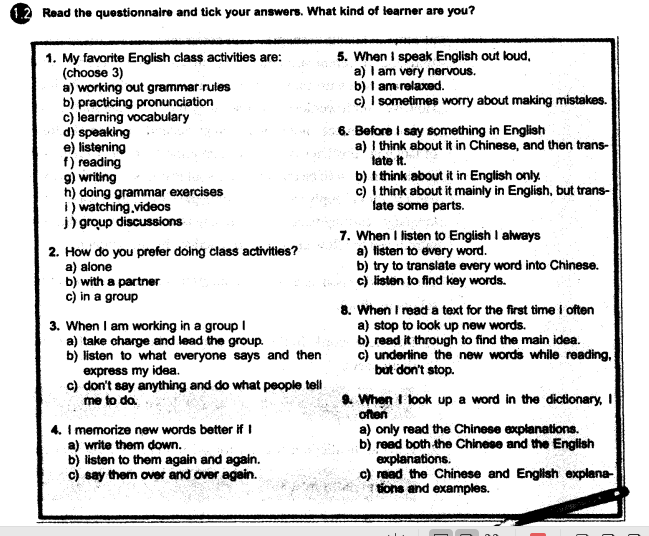

  (3) Introduce students to a number of different learning strategies

  (4) Help learners set up their own learning goals and make their own plans
  (5) Share lesson aims with students in class and review them by the end of the lesson
  (6) Use learner diaries as a way help student reflect on their learning
  (7) Guide student to make plans for learning
  (8) Use portfolios to promote more autonomous learning
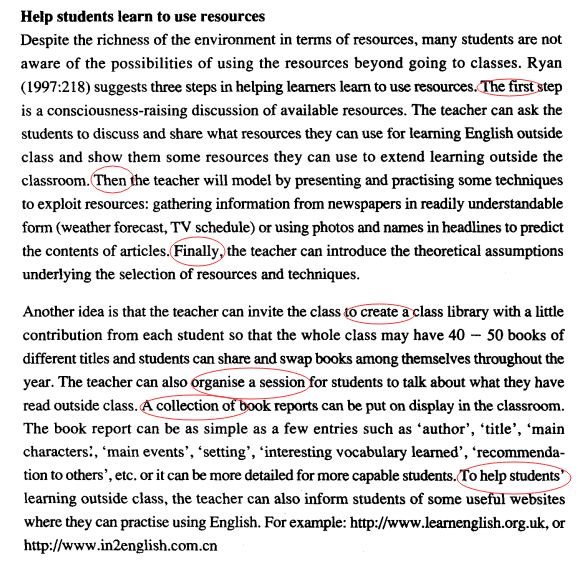
  (9) Help students learn to use resources

Step 4. Conclusion
Consolidate the main points in this unit:
1. Learner differences
2. Seven intelligences
3. Learner training
4. Learning strategies

      Learners should be encouraged to choose and develop the most appropriaate strategies for their own learning so that they can make their learning more effective and efficient.


Step 5. Homework

1. Review the details of  Unit 16
2. Preview Unit 17
3. Finish the tasks in Unit 16