
-
1 课程内容
-
2 视频
-
3 课件
-
4 教案
-
5 练习
-
6 拓展
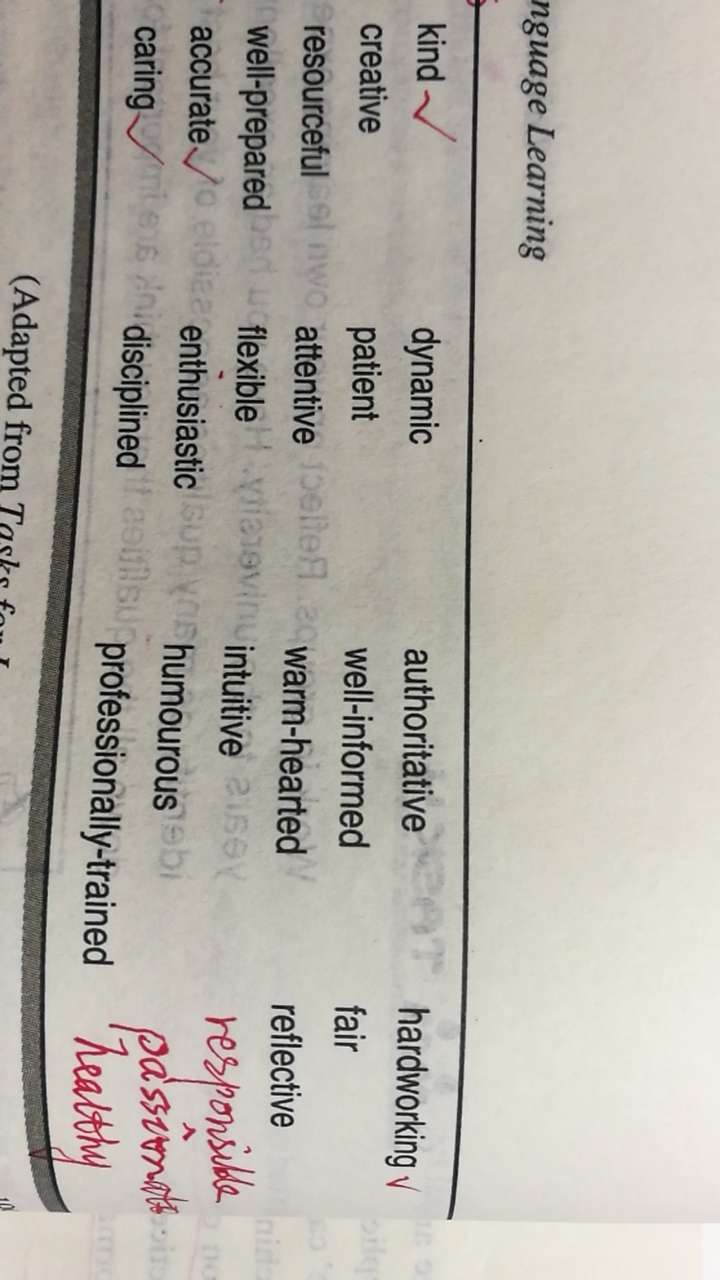
IV. What makes a good language teacher?
a. ethic devotion;
b. professional qualities;
c. personal styles;
V. How can one become a good language teacher?
The most important and most difficult part of making of a good language teacher is the development of professional competence.
Professional competence including:
a. the state or quality of adequatelyqualified for the profession.
b. armed with aspecific range of skills, strategies,
c. knowledge and ability.
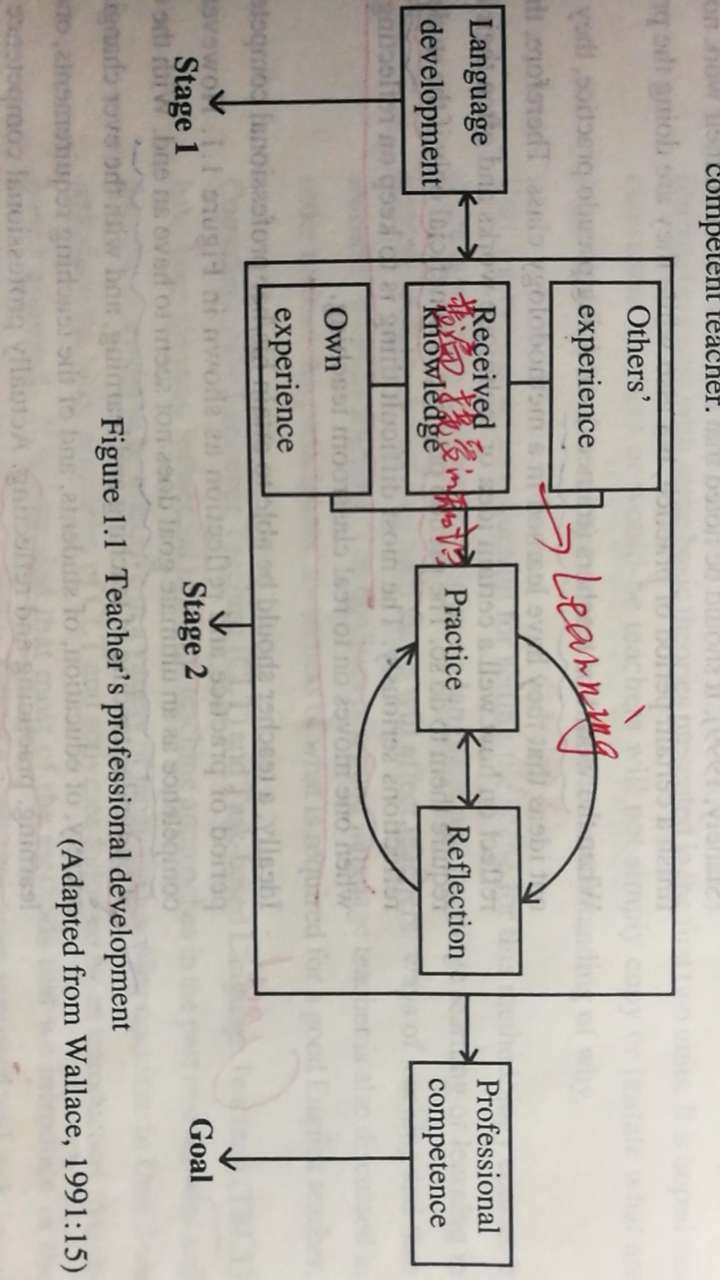
From the above model, we can see the development of professional competence for a teacher involves.
Stage1: Language development
Language is always changing so language training can never come to an end.
Stage 2: Learning (It involves three sub-stages: learning, practice, reflection)
Learn from others’ experience.
Learn received knowledge
Learn from one’s own experience
Stage 3: Professional competence is at the right end, Actually it is not, Why?
It is a “moving target or horizon, towards which professionals travel all their lifebut which is never finally attained .” ( Wallace,1991:58)
Step 3. Discussion
How can you become a good English teacher and answer the following questions?
1. Why are stage 1 and stage 2 interrelated by a double arrow line?
2. Why are practice and reflection connected by a circle?
3. Why is professional competence’s moving target or horizon, towards which professional travel all their professional life but which is never finally attained?’
Step 4. Summary
Through learning this lessonwe get to know briefly language learning and teaching .It is clear that whether some one can become a good foreign language teacher does not solely depend on his/her command of language. There are a variety of elements that contribute tothe qualities of a good language teacher .These elements can be categorized into three groups :ethic devotion, professional qualities and personal styles .
Step 5. Homework
1. How do we learn languages?
2. What are the common views on language?
3. What are the common views on language learning?
4. What are the qualities of a good language teacher?
5. How can we become a good language teacher?

