-
1 Task6 SEO&nb...
-
2 课程思政
-
3 拓展阅读
-
4 章节测试
-
5 教案
Task 6 SEO & SEM
1. Learning Goals
(1) Acquire basic knowledge about SEO and SEM.
(2) Learn the relative words and expressions.
2. Introduction
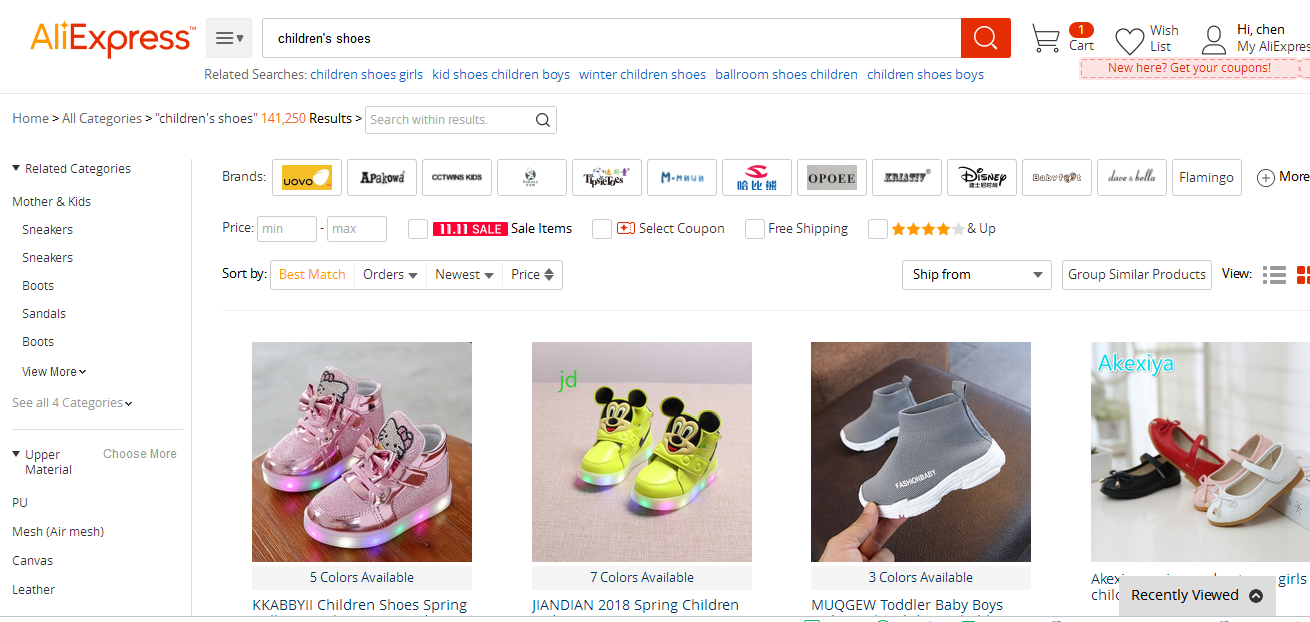
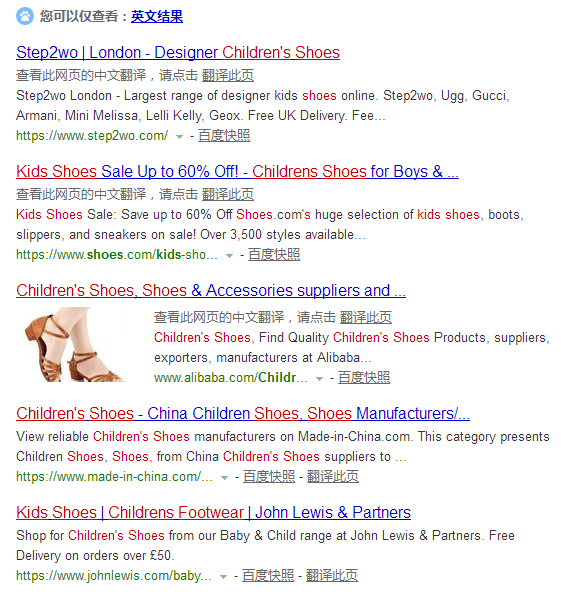
Look at the search results below for ‘children’s shoes’ on Google. Discuss with a partner about how you think the search results are ranked (e.g. why some of them are ranked higher than others, etc.)
3. Learning Tasks
4. Learning Points
(1) SEO (Search engine optimization)
Search engine optimization (SEO) is the process of affecting the online visibility of a website or a web page in a web search engine's unpaid results—often referred to as "natural", "organic", or "earned" results. In general, the earlier (or higher ranked on the search results page), and more frequently a website appears in the search results list, the more visitors it will receive from the search engine's users; these visitors can then be converted into customers. SEO may target different kinds of search, including image search, video search, academic search, news search, and industry-specific vertical search engines. SEO differs from local search engine optimization in that the latter is focused on optimizing a business' online presence so that its web pages will be displayed by search engines when a user enters a local search for its products or services. The former instead is more focused on national or international searches.
As an Internet marketing strategy, SEO considers how search engines work, the computer programmed algorithms which dictate search engine behavior, what people search for, the actual search terms or keywords typed into search engines, and which search engines are preferred by their targeted audience. Optimizing a website may involve editing its content, adding content, doing HTML, and associated coding to both increase its relevance to specific keywords and to remove barriers to the indexing activities of search engines. Promoting a site to increase the number of backlinks, or inbound links, is another SEO tactic. By May 2015, mobile search had surpassed desktop search. In 2015, it was reported that Google is developing and promoting mobile search as a key feature within future products. In response, many brands are beginning to take a different approach to their Internet marketing strategies.
(2) SEM --Search engine marketing
Search engine marketing (SEM) is a form of Internet marketing that involves the promotion of websites by increasing their visibility in search engine results pages (SERPs) primarily through paid advertising. SEM may incorporate search engine optimization (SEO), which adjusts or rewrites website content and site architecture to achieve a higher ranking in search engine results pages to enhance pay per click (PPC) listings.
5. Learning Resources

