Word Family II

程华明

目录

  • 1 Starter 开篇
    • 1.1 A    How to use a unit
    • 1.2 B    How to learn new words
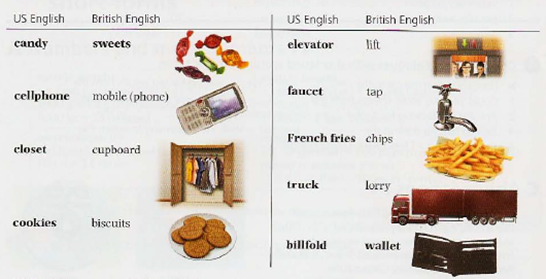
    • 1.3 C    Abbreviations and symbols
  • 2 Learning 学习
    • 2.1 1  I can talk about vocabulary learning
    • 2.2 2  I can describe my progress and aims
    • 2.3 3  I can understand a learner’s dictionary
    • 2.4 4  I can talk about English punctuation
    • 2.5 Review
  • 3 People 人
    • 3.1 5  I can talk about appearance
    • 3.2 6  I can talk about character
    • 3.3 7  I can describe my feelings
    • 3.4 8  I can talk about relationships
    • 3.5 9  I can talk about families
    • 3.6 10  I can talk about weddings and funerals
    • 3.7 Review
  • 4 The world around us 周围的世界
    • 4.1 11  I can describe the universe
    • 4.2 12  I can talk about rivers and the sea
    • 4.3 13  I can describe the climate
    • 4.4 14  I can describe natural disasters
    • 4.5 15  I can describe animals and insects
    • 4.6 Review
  • 5 Daily life 日常生活
    • 5.1 16  I can describe a range of food
    • 5.2 17  I can talk about diets and cooking
    • 5.3 18  I can talk about money
    • 5.4 19  I can talk about sleep
    • 5.5 20  I can talk about injuries
    • 5.6 21  I can talk about cars and driving
    • 5.7 22  I can describe travel problems and accidents
    • 5.8 23  I can talk about clothes and fashion
    • 5.9 Review
  • 6 Getting things done 完成每一件事
    • 6.1 24  I can describe a visit to the dentist
    • 6.2 25  I can describe hospital procedures
    • 6.3 26  I can explain household tasks
    • 6.4 27  I can describe housework
    • 6.5 28  I can talk to a hairdresser
    • 6.6 Review
  • 7 Describing things 描述事物
    • 7.1 29  I can describe urban life
    • 7.2 30  I can describe parts of a building
    • 7.3 31  I can describe objects
    • 7.4 32  I can describe the senses
    • 7.5 33  I can describe a painting
    • 7.6 34  I can describe actions
    • 7.7 Review
  • 8 Social and political  issues 社会与政治话题
    • 8.1 35  I can talk about crime
    • 8.2 36  I can describe the justice system
    • 8.3 37  I can discuss health issues
    • 8.4 38  I can talk about politics
    • 8.5 39  I can talk about war and peace
    • 8.6 40  I can talk about events in history
    • 8.7 Review
  • 9 Media and entertainment 媒体与娱乐
    • 9.1 41  I can understand newspapers
    • 9.2 42  I can talk about films
    • 9.3 43  I can talk about art and photography
    • 9.4 44  I can talk about music
    • 9.5 45  I can talk about people and places in sport
    • 9.6 46  I can describe sporting events
    • 9.7 47  I can talk about books
    • 9.8 48  I can describe festivals
    • 9.9 Review
  • 10 Work and study 工作与学习
    • 10.1 49  I can get through exams
    • 10.2 50  I can describe university life
    • 10.3 51  I can apply for a job
    • 10.4 52  I can describe jobs
    • 10.5 53  I can describe a career
    • 10.6 54  I can describe working conditions
    • 10.7 Review
  • 11 Business 商务
    • 11.1 55  I can talk about finance
    • 11.2 56  I can talk about companies
    • 11.3 57  I can describe a successful business
    • 11.4 58  I can discuss marketing
    • 11.5 Review
  • 12 Social English 社交英语
    • 12.1 59  I can express probability
    • 12.2 60  I can explain similarities and differences
    • 12.3 61  I can make arrangements to meet
    • 12.4 62  I can discuss my likes and dislikes
    • 12.5 63  I can give my opinion
    • 12.6 64  I can talk about rules
    • 12.7 65  I can discuss hopes and plans
    • 12.8 66  I can express dissatisfaction
    • 12.9 67  I can understand warnings
    • 12.10 Review
  • 13 Language 语言
    • 13.1 68  I can use link words
    • 13.2 69  I can use a range of adjectives
    • 13.3 70  I can express place and time
    • 13.4 71  I can use prepositions in phrases
    • 13.5 72  I can use prefixes
    • 13.6 73  I can use suffixes
    • 13.7 74  I can use verb patterns
    • 13.8 75  I can use phrasal verbs
    • 13.9 76  I can use a range of adverbs
    • 13.10 Review
  • 14 Styles of English 英语文体
    • 14.1 77  I can recognize informal English
    • 14.2 78  I can write a formal letter
    • 14.3 79  I can understand abbreviations and short forms
    • 14.4 80  I can understand American English
    • 14.5 Review
  • 15 Vocabulary building 构词表
  • 16 Spotlight boxes 词汇要点
  • 17 Word list 单词表
80  I can understand American English

80   I can understand American English

US English  British English   Meaning

apartment  flat  a set of rooms that is used as a home (apartment is sometimes used in British English for a smart holiday flat).

attorney  lawyer or barrister  a lawyer, especially one who represents people in court (barrister in British English).

datebook  diary  a book in which you write what you have to do in the future.

drugstore  chemist  a shop that sells medicines and other goods.

garbage/trash  rubbish

garbage/trash can  dustbin  waste food, paper, etc. that you throw away, a container outside your home, in which you put the waste.

gasoline/gas  petrol  fuel used in a car (e.g. We stopped for more gas on the way.).

high school  secondary school  a school for children aged 14 to 18 (a British secondary school is for children aged 11 to 16 or 18).

mall  shopping mall/shopping centre   shops, cinemas, etc. in a large covered area.

movie theater  cinema  a place where you see a movie (film in British English).

purse  handbag  a bag for money, keys, etc., used especially by women (in British English, a purse is mainly used for carrying coins).

railroad  railway  a system of trains and the tracks on which they run.

round trip  return (ticket)  a journey to a place and back.

sidewalk  pavement  the part of the road where people walk.

store  shop  a shop (large or small).

subway  underground  an underground railway system.

vacation  holiday  a period of time away from work or school, often spent travelling for pleasure.


spotlight  highway, freeway, expressway

The American English words highway, freeway, and expressway all refer to mainroads (British English) used for travelling long distances. A motorway (British English) is sometimes called an interstate (highway) in American English.

1     Combine words to form five more American English words.

free  side  cell  date  drug  rail  phone  way  walk  store  road  book

►   freeway

1     ____

2     ____

3     ____

4    ____

5    ____


1     sidewalk

2     cellphone

3     datebook

4     drugstore

5     railroad


5     ABOUT YOU  Write your answers, or ask another student.

1     How often do you use the subway? ________

2     How often do you use the railroad? ________

3     How often do you go to a movie theater? ________

4     What was the last movie you saw? ________

5     How often do you eat French fries? ________

6     Where did you go for your last vacation? ________

7     When was the last time you went to a mall? ________

8     When did you leave high school? ________


Answers from a Japanese person

1     I don’t often use the subway. I use it a few times a month.

2     I use the railroad twice a day, every day, to commute to work.

3     I go to a movie theater about twice a month.

4     The last movie I saw was No Reservations.

5     I sometimes eat French fries when I go for a beer with friends.

6     I went to Seoul on my last vacation.

7     The last time I went to a mall was about two months ago.

8     I left high school eighteen years ago.


6     Test yourself. Cover the US and British English words and look at the pictures and meanings. Can you remember the words?