目录

  • 1 Reading a novel Lord of the Flies
    • 1.1 Full text
    • 1.2 Quizzes and questions
    • 1.3 The key to quizzes and questions
  • 2 Unit 1 Text A Thinking as a Hobby
    • 2.1 Pre-reading activities
      • 2.1.1 About William Golding
      • 2.1.2 Learning objectives
    • 2.2 Text analysis
      • 2.2.1 Video lessons
      • 2.2.2 Paraphrasing exercises
      • 2.2.3 language study ppt
      • 2.2.4 Rhetorical devices
    • 2.3 Post-reading exercises
      • 2.3.1 Writing a summary
      • 2.3.2 Writing a playscript
      • 2.3.3 The key to textbook exercises
  • 3 Unit 3 Text A Groundless Beliefs
    • 3.1 Pre-reading activities
      • 3.1.1 Listen and answer: This I Believe
        • 3.1.1.1 mp3
        • 3.1.1.2 Scripts
      • 3.1.2 Belief sharing
      • 3.1.3 Learning objectives
    • 3.2 Text analysis
      • 3.2.1 Questions and translation
      • 3.2.2 Video lesson 1
      • 3.2.3 Paraphrasing exercises
      • 3.2.4 Video lesson 2
    • 3.3 Post-reading exercises
      • 3.3.1 Writing a summary
      • 3.3.2 Writing an essay
      • 3.3.3 The key to textbook exercises
  • 4 Unit 3 Text B Corn-porn Opinions
    • 4.1 The author
    • 4.2 Questions
  • 5 Unit 4 Text A Lions and Tigers and Bears
    • 5.1 Pre-reading activities
      • 5.1.1 Discussion
      • 5.1.2 Watch and Fill: Central Park Vacation Travel Guide
      • 5.1.3 The author
      • 5.1.4 Learning objectives
    • 5.2 Text analysis
      • 5.2.1 Paraphrasing exercises
      • 5.2.2 Students' presentations
      • 5.2.3 Words and expressions
      • 5.2.4 Questions
    • 5.3 Post-reading exercises
      • 5.3.1 Writing a summary
      • 5.3.2 The key to textbook exercises
  • 6 Unit 6 Text A The Telephone
    • 6.1 Pre-reading activities
      • 6.1.1 Discussion
      • 6.1.2 Listen and Fill: Telephone, a Good or a Bad Thing?
      • 6.1.3 Listen, take notes and retell: About the author
      • 6.1.4 About Lebanon
      • 6.1.5 Learning objectives
    • 6.2 Text analysis
      • 6.2.1 Video lesson and exercises
      • 6.2.2 language study ppt
      • 6.2.3 Comprehension questions
      • 6.2.4 Mind-mapping the main ideas
      • 6.2.5 Talking about the theme
    • 6.3 Post-reading exercises
      • 6.3.1 Writing the summary
      • 6.3.2 The key to textbook exercises
  • 7 Unit 9 Text A The Damned Human Race
    • 7.1 Pre-reading activities
      • 7.1.1 Discussion
      • 7.1.2 About Mark Twain
      • 7.1.3 Learning objectives
    • 7.2 Text analysis
      • 7.2.1 Video lessons
      • 7.2.2 Close reading questions
      • 7.2.3 Paraphrasing exercises
      • 7.2.4 language study ppt
    • 7.3 Post-reading exercises
      • 7.3.1 Writing the summary
      • 7.3.2 Dictation
      • 7.3.3 The key to textbook exercises
  • 8 Unit 13 Text A Cords
    • 8.1 Pre-reading activities
      • 8.1.1 Activity: A Role-Play
      • 8.1.2 About Edna O'Brien
      • 8.1.3 Learning objectives
    • 8.2 Text analysis
    • 8.3 Post-reading exercises
      • 8.3.1 Group work
      • 8.3.2 The key to textbook exercises
  • 9 A Review
    • 9.1 Translation exercises
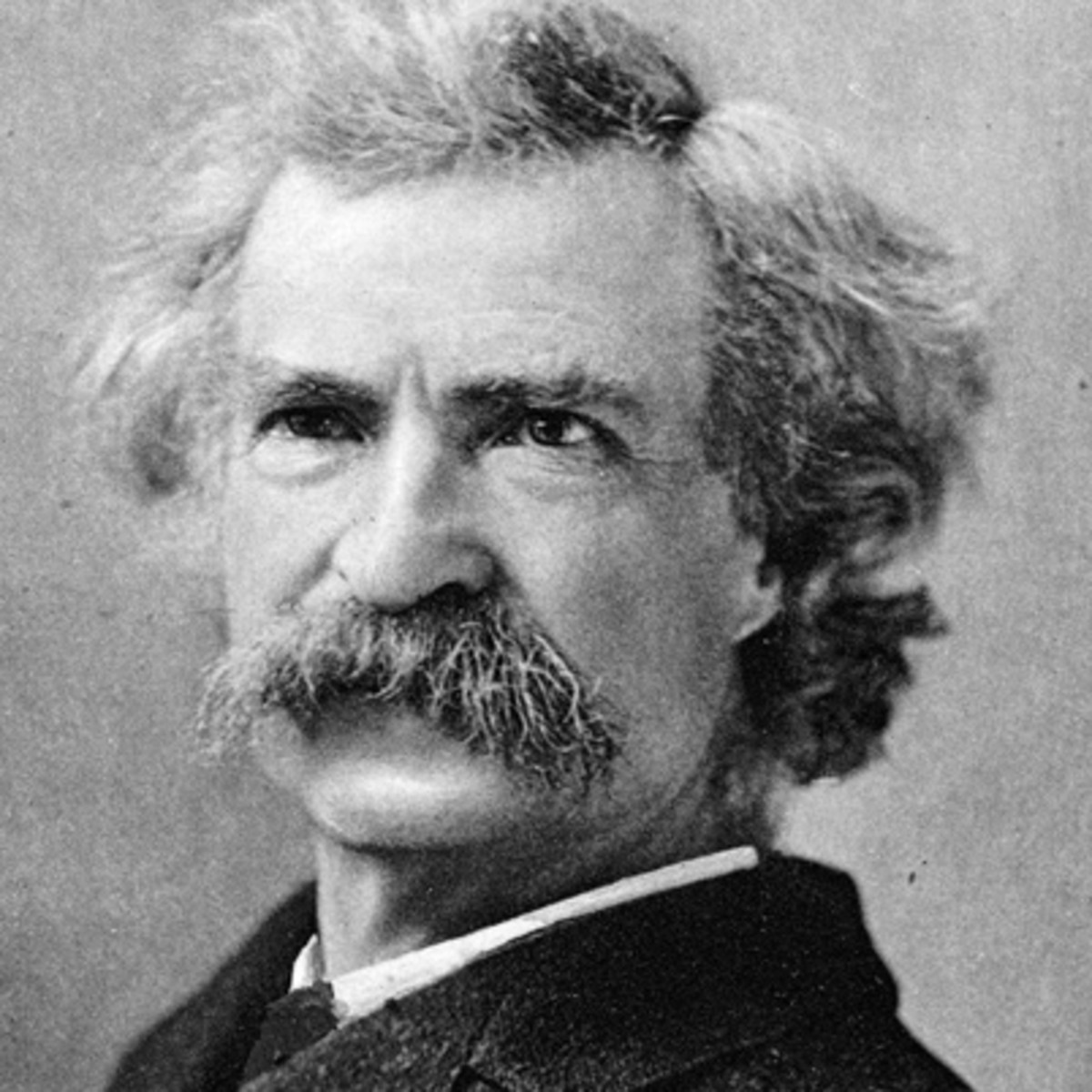
The author

The author

Mark Twain (1835-1910) is the pseudonym ofSamuel Langhorne Clemens. Best known as a novelist – The Adventures of Huckleberry Finn (1884), Tom Sawyer (1876), and A Conneticut Yankee in King Arthur’s Court(1889) are among his most famous – Twain also worked as a typesetter, ariverboat pilot, a miner, a reporter, and an editor. His early writings reflecthis pre-Civil War upbringing in their idyllic images as well as in theirreminders of some of America’s least acceptable social realities. Twain spenthis life observing and reporting on his surroundings, and his work provides aglimpse into the mind-set of the late nineteenth century. “Corn-Pone Opinions”,which was found in his papers after his death, was first published in 1923 in Europe and Elsewhere.