
·ideas
Literary criticism
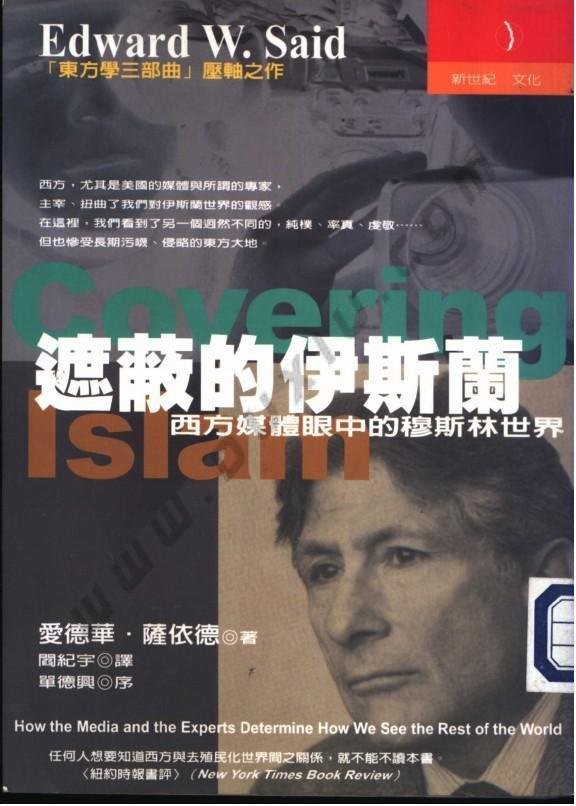
Said's first book, Joseph Conrad and the Fiction of Autobiography (1966),expanded on his doctoral dissertation. In Edward Said: Criticism and Society(2010), Abdirahman Hussein said that the novella Heart of Darkness (1899), byJoseph Conrad, was the book that proved foundational to Said's entire careerand project.[26] Afterwards, Said redacted ideas gleaned from the works of the17th-century philosopher Giambattista Vico, and other intellectuals, in the bookBeginnings: Intention and Method (1974), about the theoretical bases ofliterary criticism. Said's further bibliographic production featured books suchas The World, the Text, and the Critic (1983), Nationalism, Colonialism, andLiterature: Yeats and Decolonization (1988), Culture and Imperialism (1993),Representations of the Intellectual: The 1993 Reith Lectures (1994), Humanismand Democratic Criticism (2004), and On Late Style (2006).
Orientalism
Said is most famous for thedescription and analyses of Orientalism as the source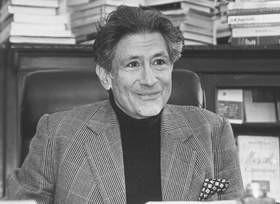 of the inaccuratecultural representations that are the foundation of Western thought towards theMiddle East, of how The West perceives and represents The East. The thesis ofOrientalism is the existence of a "subtle and persistent Eurocentricprejudice against Arabo-Islamic peoples and their culture", which derivesfrom Western culture's long tradition of false and romanticized images of Asia,in general, and the Middle East, in particular. Those perceptions, and the consequentcultural representations, have served, and continue to serve, as implicitjustifications for the colonial and imperialist ambitions of the Europeanpowers and of the United States. Likewise, Said also criticized and denouncedthe political and the cultural malpractices of the régimes of the ruling Arabélites who have internalized the false, romanticized representations of Arabicculture that were conceived and established by Anglo-American Orientalists: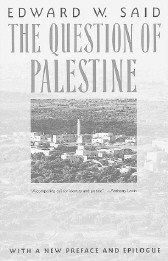
So far as the United States seems to be concerned, it is only a slightoverstatement to say that Moslems and Arabs are essentially seen as either oilsuppliers or potential terrorists. Very little of the detail, the humandensity, the passion of Arab-Moslem life has entered the awareness of eventhose people whose profession it is to report the Arab world. What we have,instead, is a series of crude, essential zed caricatures of the Islamic worldpresented in such a way as to make that world vulnerable to militaryaggression.

