
目录

  • 1 Lecture 1 Plato Ion
    • 1.1 Introduction
    • 1.2 Presentation
    • 1.3 Discussion
    • 1.4 Comment
    • 1.5 Quiz
  • 2 Lecture 2 Aristotle Poetics
    • 2.1 Introduction
    • 2.2 Presentation
    • 2.3 Discussion
    • 2.4 Comment
    • 2.5 Quiz
  • 3 Lecture 3 Samuel Johnson Preface to the Plays of Shakespeare
    • 3.1 Introduction
    • 3.2 Presentation
    • 3.3 Discussion
    • 3.4 Comment
    • 3.5 Quiz
  • 4 Lecture 4 Wordsworth Preface to Lyrical Ballads (2nd Edition)
    • 4.1 Introduction
    • 4.2 Presentation
    • 4.3 Discussion
    • 4.4 Comment
    • 4.5 Quiz
  • 5 Lecture 5 Taine Preface to History of English Literature
    • 5.1 Introduction
    • 5.2 Presentation
    • 5.3 Discussion
    • 5.4 Comment
    • 5.5 Quiz
  • 6 Lecture 6 Oscar Wilde Preface to The Picture of Dorian Gray
    • 6.1 Introduction
    • 6.2 Presentation
    • 6.3 Discussion
    • 6.4 Comment
    • 6.5 Quiz
  • 7 Lecture 7 Freud Development of the Libido and Sexual Organization
    • 7.1 Introduction
    • 7.2 Presentation
    • 7.3 Discussion
    • 7.4 Comment
    • 7.5 Quiz
  • 8 Lecture 8 Eliot Tradition and the Individual Talent
    • 8.1 Introduction
    • 8.2 Presentation
    • 8.3 Discussion
    • 8.4 Comment
    • 8.5 Quiz
  • 9 Lecture 9 Empson Seven Types Of Ambiguity
    • 9.1 Introduction
    • 9.2 Presentation
    • 9.3 Discussion
    • 9.4 Comment
    • 9.5 Quiz
  • 10 Lecture 10 Bakhtin Epic and Novel
    • 10.1 Introduction
    • 10.2 Presentation
    • 10.3 Discussion
    • 10.4 Comment
    • 10.5 Quiz
  • 11 Lecture 11 M. H. Abrams The Mirror and the Lamp
    • 11.1 Introduction
    • 11.2 Presentation
    • 11.3 Discussion
    • 11.4 Comment
    • 11.5 Quiz
  • 12 Lecture 12 Sontag Against Interpretation
    • 12.1 Introduction
    • 12.2 Presentation
    • 12.3 Discussion
    • 12.4 Comment
    • 12.5 Quiz
  • 13 Lecture 13 H. Jauss Literary History as a Challenge to Literary Theory
    • 13.1 Introduction
    • 13.2 Presentation
    • 13.3 Discussion
    • 13.4 Comment
    • 13.5 Quiz
  • 14 Lecture 14 Edward Said Orientalism
    • 14.1 Introduction
    • 14.2 Discussion
    • 14.3 Comment
    • 14.4 Quiz
Comment


·Ideas

文艺理论

姚斯在批判前人的基础上,力图建立较完善的文学史科学,批判将文学与社会历史分裂、对立的倾向,重建对文学的美学思考与历史思考,解决“文学史”悖论。他认为文学的历史性应是历史与美学的联系、调节与融汇,批判了实证主义的、形式主义的文学历史观。姚斯提出新的文学史应是文学作品的消费史,读者作为消费主体是一个能动的构成。通过“期待视界”,姚斯将作家、作品、读者联系起来,并沟通了文学的演变和社会的发展。“期待视界”是读者接触作品前已有的潜在的审美期待,是由阅读经验的积累而产生的先验心理结构。姚斯提倡作品的“客观化”,提倡历史视野与现时视野的“视界交融”,认为文学作品不是只关涉现时的静态文献,而是包括传统文学评价与当下文学尝试的动态的、开放的“本文”。文学的社会功能在于其构成性,通过改变读者的期待视界,实现文学的效果与文学的接受的统一,文学的意义、价值、效果,包括作者的赋予、作品的内涵和读者的增补,文学史即效果与接受的历史。

接受美学

接受美学是汉斯·罗伯特·姚斯(Hans Robert Jauss)于1967年创立的。接受美学对语文阅读的
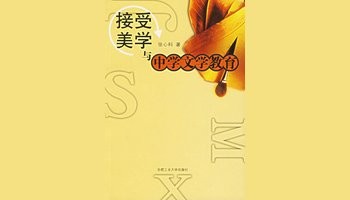
影响,接受美学又称为接受理论,是上世纪60年代末、70年代初在联邦德国出现的文学美学思潮。虽然说接受美学的理论源头较广,但是,诠释学无疑是它最为重要的源头之一。以往的文学和美学研究、创作,都是以作者--艺术家为中心,姚斯则主张根本性地,颠覆地转向以读者/接受者为中心,因此称作接受美学。姚斯后期转向了对接受与接受史的核心问题—审美经验的研究,认为只有深入研究审美经验,才得推进接受美学的发展。姚斯认为审美经验是包括生产方面、接受方面和交流方面的动态有机整体,这三方面分别对应审美愉悦三范畴:创造、美觉和净化。他还提出了审美鉴别的五种模式,即联想的、仰慕的、怜悯的、净化的、反讽的等鉴别主人公与读者相互作用的模式。姚斯开辟并拓展的接受美学之路仍在延伸,作为西方现代批评界的一个流派,仍在修正、发展。