
·ideas
Sontag wrote frequentlyabout the intersection of high and low art and expanded the dichotomy conceptof form and art in every medium. She elevated camp to the status of recognitionwith her widely read 1964 essay "Notes on 'Camp'," which accepted artas including common, absurd and burlesque themes.

againstinterpretation
A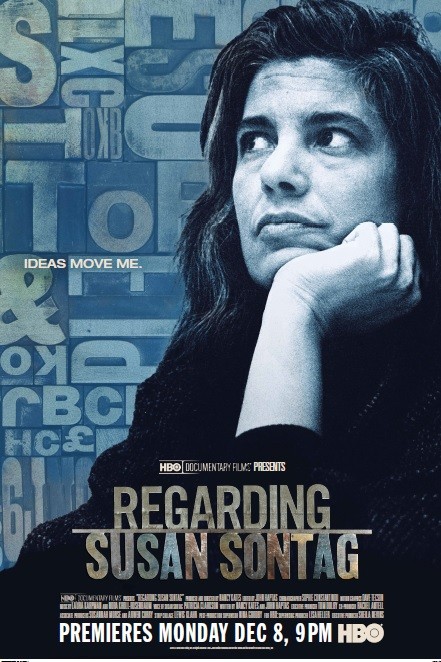 gainst Interpretation is acollection of essays by Susan Sontag published in 1966. It includes some ofSontag's best-known works, including "On Style," and the essay"Against Interpretation." In the last, Sontag argues that in the newapproach to aesthetics the spiritual importance of art is being replaced by theemphasis on the intellect. Rather than recognizing great creative works aspossible sources of energy, she argues, contemporary critics were all too oftentaking art's transcendental power for granted, and focusing instead on theirown intellectually constructed abstractions like "form" and"content." In effect, she wrote, interpretation had become "theintellect's revenge upon art." The essay famously finishes with the words,"in place of a hermeneutics we need an erotics of art".

