
·ideas
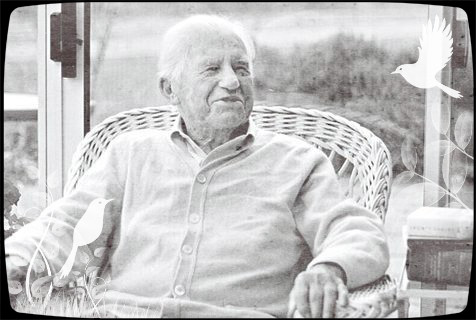
The Mirror and the Lamp
In a powerful contrast, Abrams shows that until the Romantics, literature was typically understood as a mirror reflecting the real world in some kind of mimesis; whereas for the Romantics, writing was more like a lamp: the light of the writer's inner soul spilled out to illuminate the world. In 1998, Modern Library ranked The Mirror and the Lamp one of the 100 greatest English-language nonfiction books of the 20th century.
The Norton Anthology of English Literature
Abrams was not only the general editor of The Norton Anthology, he was the editor of "The Romantic Period (1798-1832)" in that anthology, and he evaluated writers and their reputations. In his introduction to Lord Byron, he emphasized how Byronism relates to Nietzsche's idea of the superman. In the introduction to Percy Bysshe Shelley, Abrams said, "The tragedy of Shelley's short life was that intending always the best, he brought disaster and suffering upon himself and those he loved."
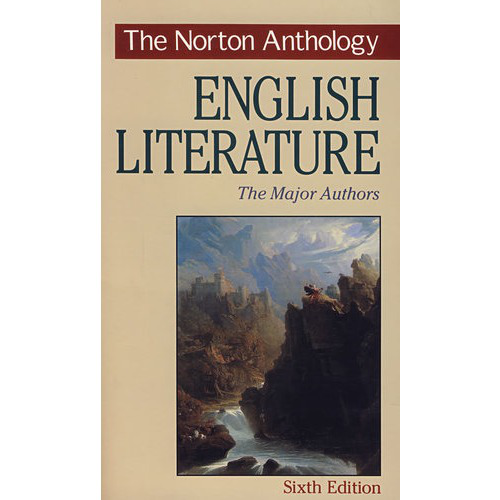 To be clear, this anthology of "English" literature does not include Anglophone writers from places such as Canada, but it does include writers from various places in the British Isles, for instance, William Butler Yeats, who was appointed a senator in the Irish Free State.
Classification of literary theories
Literary theories, Abrams argues, can be divided into four main groups:
Mimetic Theories (interested in the relationship between the Work and the Universe)
Pragmatic Theories (interested in the relationship between the Work and the Audience)
Expressive Theories (interested in the relationship between the Work and the Artist)
Objective Theories (interested in close reading of the Work)

